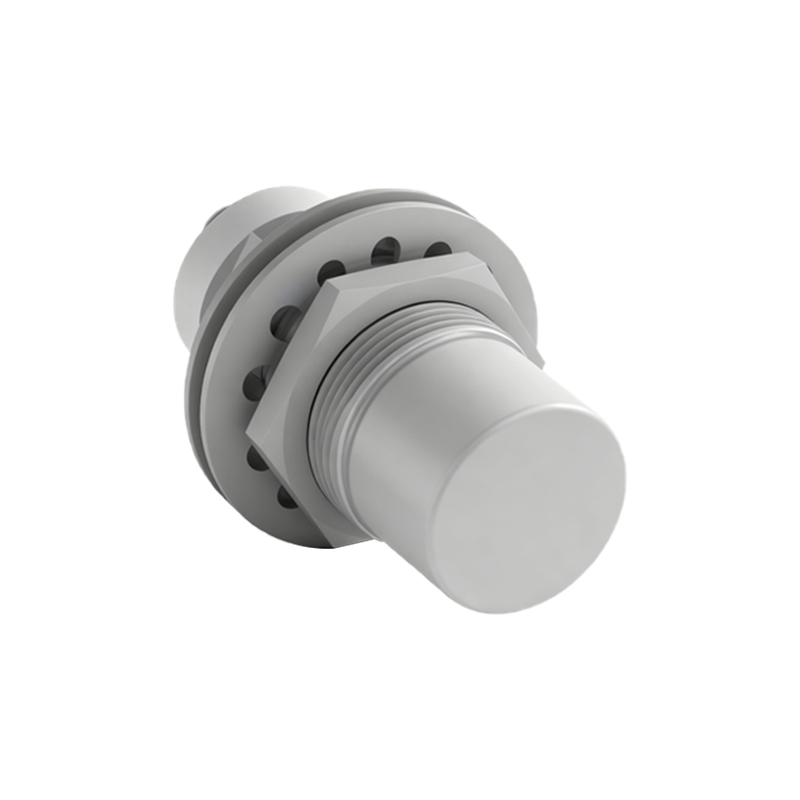
In industrial automation, manufacturing, and outdoor applications, the reliability of sensing equipment is paramount. One critical factor that significantly impacts sensor performance and longevity is the ability to resist water and other liquids. Waterproof proximity sensors have become indispensable components in environments where exposure to moisture, rain, washdowns, or even submersion is a constant threat. Unlike standard sensors, which can fail catastrophically when infiltrated by water, waterproof variants are engineered to maintain precise detection capabilities under challenging conditions.
The core principle behind a proximity sensor—detecting the presence or absence of an object without physical contact—remains unchanged. However, achieving waterproofing requires meticulous design and material selection. The international standard governing this protection is the Ingress Protection (IP) rating, defined by IEC 60529. For waterproof proximity sensors, two key digits are crucial. The first digit indicates protection against solid particles, while the second digit specifies protection against liquids. For instance, a rating of IP67 signifies the sensor is dust-tight (6) and can withstand temporary immersion in water up to 1 meter for 30 minutes (7). A rating of IP68 or IP69K offers even greater protection, with IP68 for prolonged immersion under specified conditions and IP69K for resistance to high-pressure, high-temperature washdowns common in food and beverage processing.
Several sealing technologies are employed to achieve these high IP ratings. These include specialized O-rings and gaskets made from elastomers like Viton or silicone, which create a tight seal at the housing joints and cable entry points. Potting, the process of filling the sensor's internal cavity with a waterproof epoxy or resin, protects sensitive electronic components from humidity and condensation. Furthermore, the sensor face, often made of materials like PBT (polybutylene terephthalate) or stainless steel, is fused or ultrasonically welded to the housing to prevent any ingress paths.
The applications for waterproof inductive, capacitive, and magnetic proximity sensors are vast. In food and pharmaceutical manufacturing, IP69K-rated sensors are essential for hygiene; they can withstand the daily high-pressure, high-temperature cleaning with caustic chemicals without degradation. In automotive assembly lines, sensors with IP67 ratings are exposed to coolants, oils, and occasional splashes. Marine equipment, agricultural machinery, and outdoor automated gates rely on waterproof sensors to function reliably in rain, snow, and humid conditions. Even in water treatment plants, certain submersible sensors with IP68 ratings are used to monitor levels or detect objects within fluids.
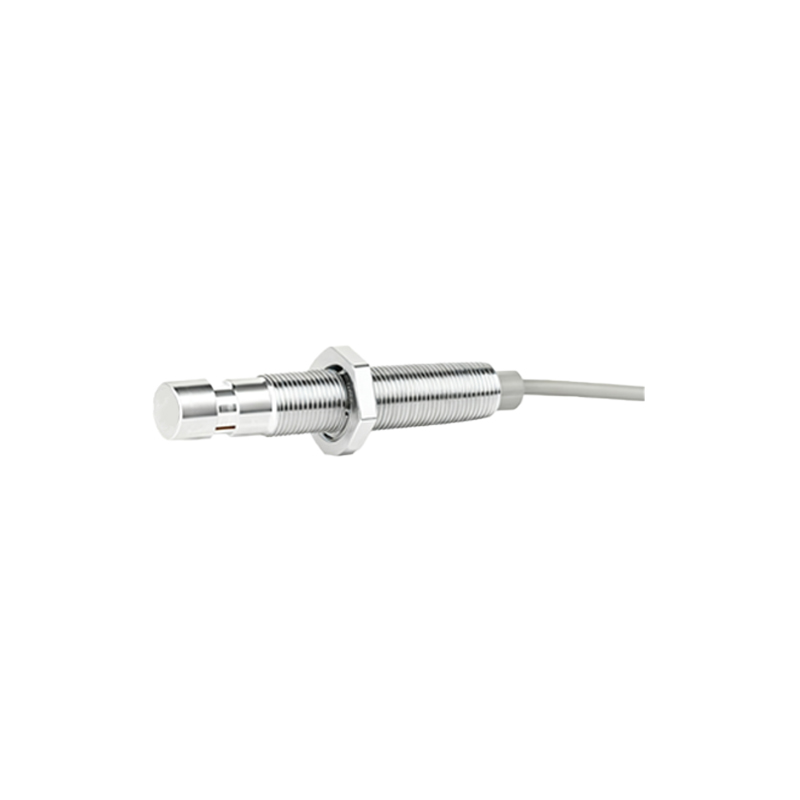
Selecting the right waterproof proximity sensor involves more than just the IP rating. Considerations must include the sensing technology (inductive for metals, capacitive for non-metals, magnetic for cylinder position), the sensing range, the output type (PNP/NPN, analog, IO-Link), and the housing material. Stainless steel housings (e.g., V2A or V4A grades) offer excellent corrosion resistance alongside waterproofing. The electrical connection is another critical point; connectors must be of a matching IP rating, or the cable gland must be properly secured to maintain the integrity of the seal.
Installation and maintenance, though simplified by robust design, require attention to detail. Ensuring that the sealing surfaces are clean and undamaged during installation is vital. O-rings should not be pinched or twisted. Regular inspections for cracks in the housing or damage to the cable sheath can prevent future failures. While waterproof sensors are designed for durability, they are not universally indestructible; chemical compatibility with the specific liquids in the environment must be verified.
The evolution of waterproof sensing technology continues. Modern sensors now integrate advanced diagnostics and communication protocols like IO-Link, which can provide data on sensor health, including potential seal integrity issues, enabling predictive maintenance. This intelligence transforms a simple protective component into a smart node within the Industrial Internet of Things (IIoT) ecosystem.
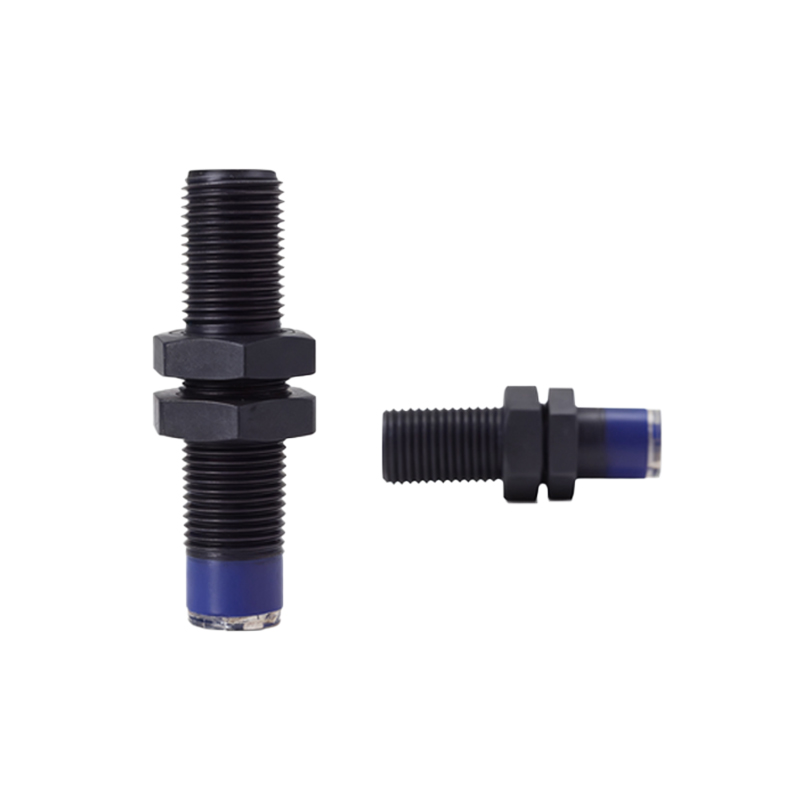
In conclusion, the development of waterproof proximity sensors represents a direct response to the demanding needs of modern industry. By incorporating rigorous sealing standards, durable materials, and thoughtful design, these sensors ensure operational continuity, reduce downtime due to environmental factors, and expand the possibilities for automation in virtually any setting. Their role is not merely functional but foundational to building resilient and efficient automated systems in a wet world.