In the realm of industrial automation and machine safety, the selection of a proximity sensor is a critical decision that impacts efficiency, reliability, and overall system performance. While numerous manufacturers exist, a group of established, reputable brands has come to define the standard for quality, innovation, and global support. These brands are distinguished by their adherence to international standards, robust product portfolios, and proven track records in demanding environments. Understanding the key players and their strengths is essential for engineers, procurement specialists, and system integrators.
At the forefront of standard proximity sensor technology are brands like Sick, Pepperl+Fuchs, Omron, Balluff, and ifm electronic. These companies are not merely suppliers; they are pioneers that have consistently shaped the industry. Their products are engineered to meet rigorous specifications, including IP67 and IP69K ratings for ingress protection, wide operating temperature ranges, and compliance with global standards like IEC 60947-5-2. This commitment to standardization ensures interoperability and simplifies integration across diverse machinery and production lines.
Sick, a German powerhouse, is renowned for its precision and advanced diagnostic capabilities. Their sensors often feature IO-Link technology, enabling smart sensor functionality for predictive maintenance and detailed process data exchange. This transforms a simple detection task into a source of valuable operational intelligence. Pepperl+Fuchs, another German leader, offers an exceptionally wide range of inductive, capacitive, and ultrasonic sensors. They are particularly noted for their expertise in hazardous area applications, providing intrinsically safe and explosion-proof solutions for oil, gas, and chemical industries.
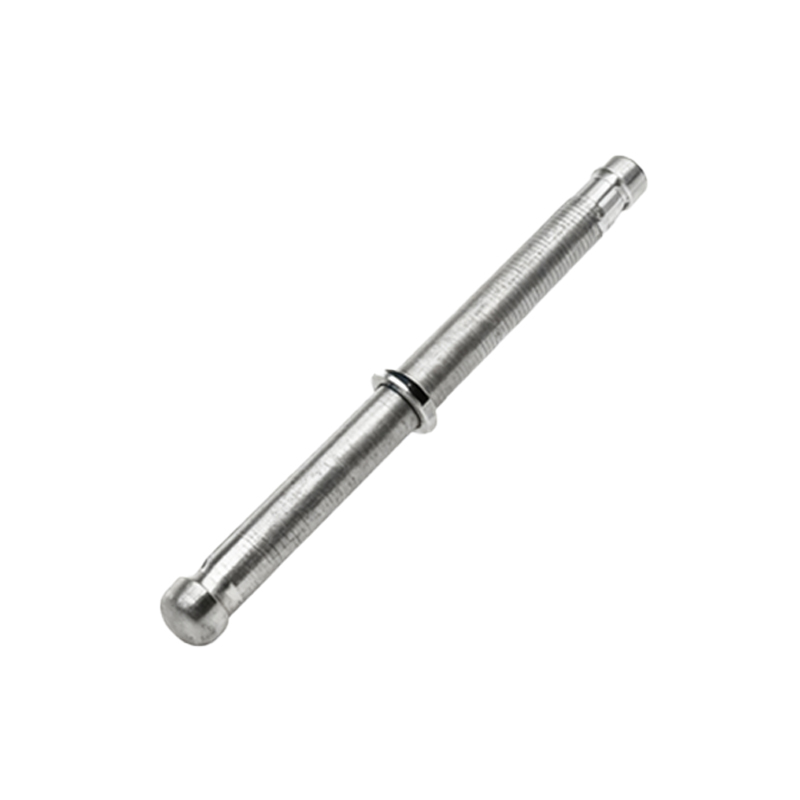
From Japan, Omron brings a legacy of reliability and miniaturization. Their extensive catalog includes some of the world's smallest proximity sensors, enabling installation in space-constrained applications without sacrificing performance. Omron's focus on high-speed and high-frequency models makes them a preferred choice for packaging, assembly, and electronics manufacturing. Balluff, with its strong German engineering heritage, excels in innovative form factors and networking solutions. Their modular sensor systems and robust RFID technology are integral to Industry 4.0 and flexible production concepts, allowing for quick tooling changes and traceability.
Ifm electronic stands out for its user-centric design and comprehensive system approach. Their sensors are known for easy setup, often featuring clear visual feedback via LED indicators. Ifm has heavily invested in IO-Link as a standard communication protocol, promoting a seamless flow of data from the sensor level to the controller. This emphasis on connectivity and simplicity reduces commissioning time and troubleshooting efforts.
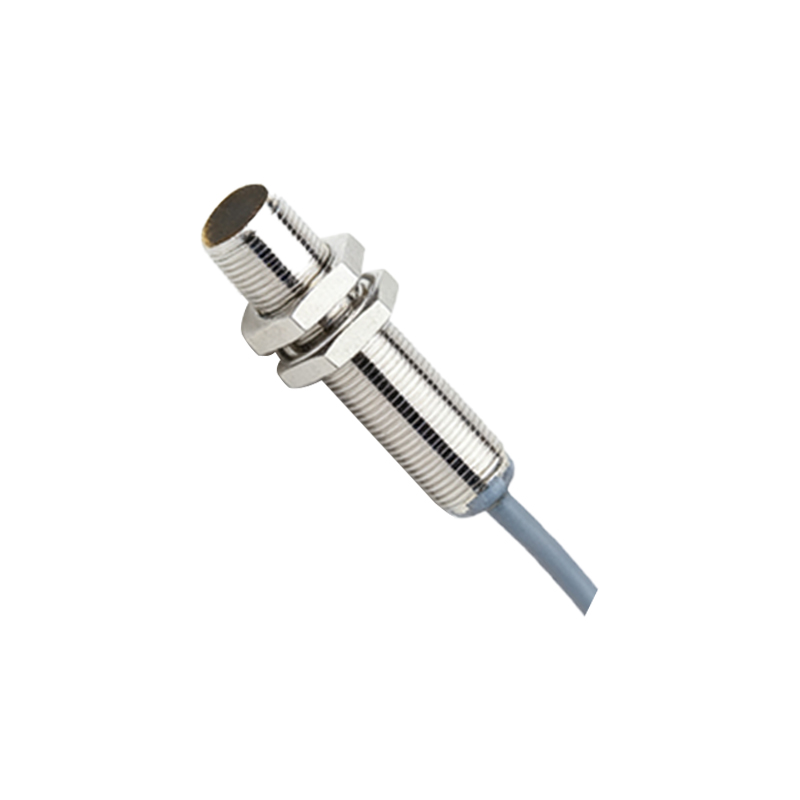
Beyond these top-tier brands, other notable manufacturers like Turck, Rockwell Automation (Allen-Bradley), Schneider Electric, and Siemens also provide high-quality standard proximity sensors. These companies often leverage their strength in broader automation ecosystems, offering sensors that are optimized for seamless communication within their own PLC and control system families. This can be a decisive advantage in greenfield projects or facilities standardized on a particular control platform.
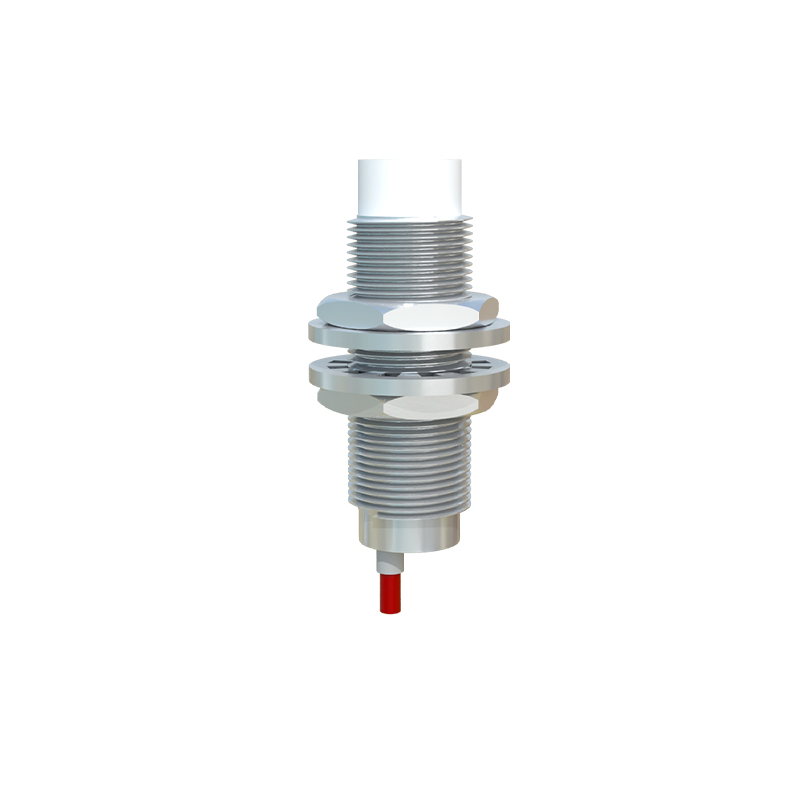
The choice between these standard brands often hinges on specific application requirements. Key considerations include sensing distance, target material (ferrous or non-ferrous metals for inductive sensors), required output type (PNP/NPN, analog, or IO-Link), environmental conditions (presence of coolants, welding spatter, or extreme temperatures), and mechanical housing style (cylindrical, rectangular, or slot style). Leading brands offer detailed selection guides, CAD models, and configuration software to aid in this process.
Furthermore, global availability of products and local technical support are intangible yet crucial factors. The established standard brands maintain extensive distributor networks and application engineering teams worldwide. This ensures timely delivery, local stock availability, and access to expert advice for complex installation challenges. The total cost of ownership, which includes not just the unit price but also installation time, maintenance intervals, and mean time between failures (MTBF), is typically favorable for these premium brands.
In conclusion, the market for standard proximity sensors is anchored by a set of elite brands that have earned their reputation through decades of innovation, quality control, and customer support. While alternative and generic options exist, specifying sensors from manufacturers like Sick, Pepperl+Fuchs, Omron, Balluff, or ifm electronic provides a benchmark for performance and reliability. For mission-critical industrial applications where downtime is costly, investing in a sensor from a leading standard brand is not just a purchase—it is a strategic decision for long-term operational stability and efficiency. Evaluating the specific technical features, ecosystem compatibility, and support structure of each brand is the recommended path to an optimal selection.