In the realm of industrial automation and precision engineering, torque sensors and proximity switches stand as fundamental components that drive efficiency, safety, and accuracy. These devices, though distinct in function, often work in tandem to monitor and control mechanical systems, ensuring optimal performance across various applications from manufacturing assembly lines to robotic systems.
Torque sensors, also known as torque transducers, are designed to measure the rotational force applied to a system. This measurement is critical in applications where precise control of torque is necessary to prevent over-tightening, under-tightening, or mechanical failure. For instance, in automotive assembly, torque sensors ensure that bolts are fastened to exact specifications, enhancing vehicle safety and reliability. Similarly, in robotics, these sensors provide feedback on the force exerted by robotic arms, allowing for delicate operations such as handling fragile components or performing intricate surgical procedures. Modern torque sensors utilize technologies like strain gauges, magnetoelastic effects, or optical methods to convert mechanical torque into electrical signals, which can then be analyzed by control systems for real-time adjustments.
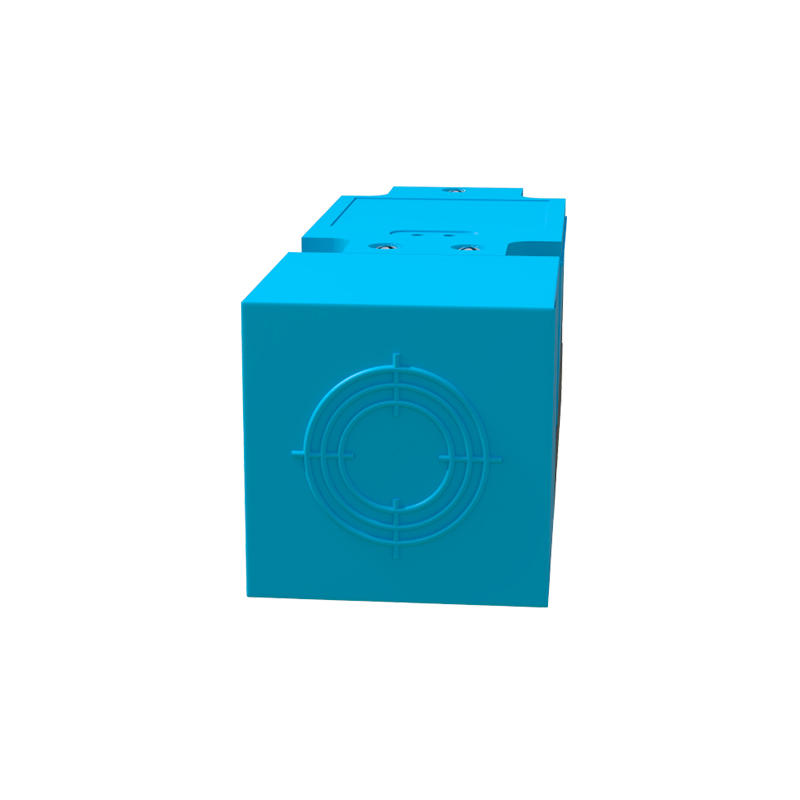
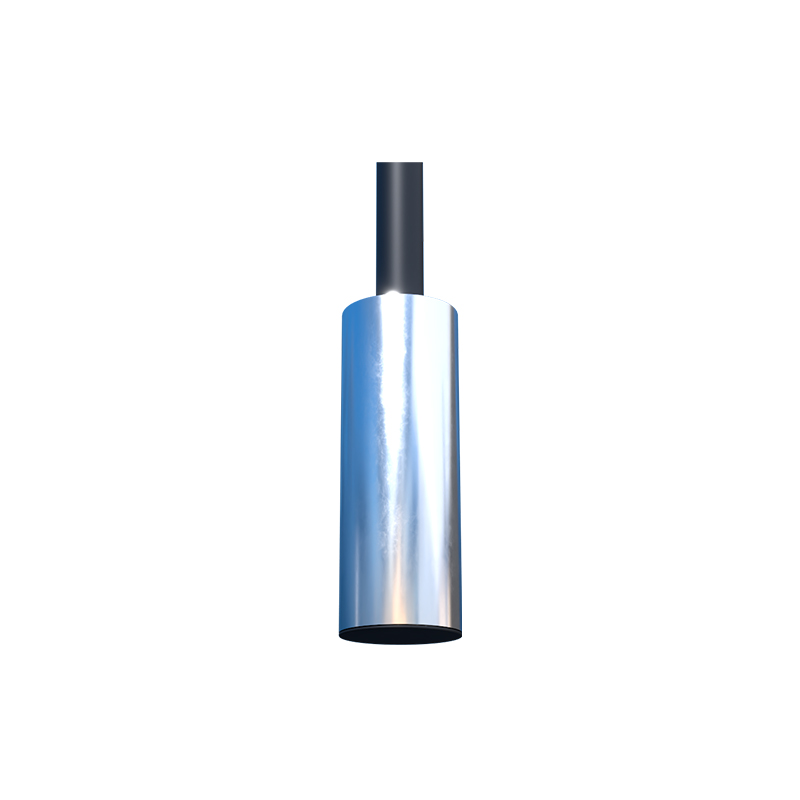
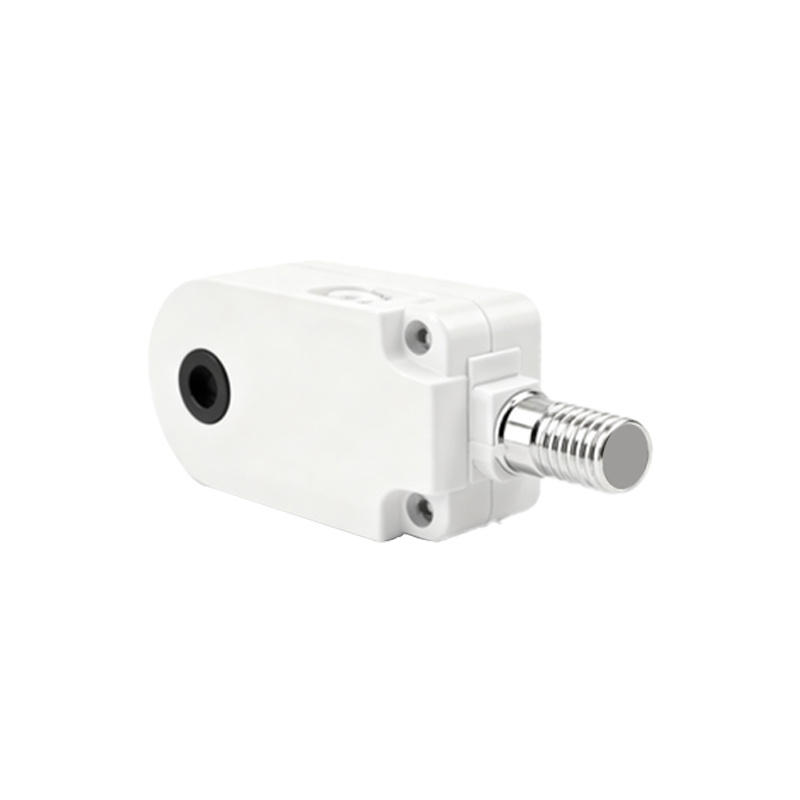
On the other hand, proximity switches, or proximity sensors, detect the presence or absence of an object without physical contact. These switches are essential for non-invasive monitoring, reducing wear and tear in machinery and minimizing downtime. Inductive proximity switches, for example, are commonly used to detect metallic objects in industrial settings, such as confirming the position of a machine part on a conveyor belt. Capacitive variants can sense non-metallic materials like plastics or liquids, making them versatile for packaging or food processing industries. By providing a signal when an object enters a predefined range, proximity switches enable automated systems to trigger actions—like starting or stopping a motor—enhancing workflow efficiency and safety by preventing collisions or jams.
The integration of torque sensors and proximity switches creates synergistic effects in automated systems. Consider a CNC machine where a proximity switch detects the placement of a workpiece, and a torque sensor monitors the cutting tool's force. This combination allows for adaptive control, adjusting parameters based on real-time data to maintain precision and prevent tool damage. In renewable energy, such as wind turbines, torque sensors measure the stress on blades and gears, while proximity switches monitor the position of components, contributing to predictive maintenance and reducing operational costs.
Despite their advantages, selecting the right torque sensor or proximity switch requires careful consideration of factors like environmental conditions, measurement range, and output compatibility. For torque sensors, aspects such as rotational speed, temperature stability, and mounting options are crucial. Proximity switches must be chosen based on sensing distance, material compatibility, and response time. Advances in IoT and Industry 4.0 have further enhanced these devices, enabling wireless connectivity and data analytics for smarter, more responsive systems.
In summary, torque sensors and proximity switches are indispensable in today's automated world. Their ability to provide accurate, contactless measurements and controls underpins innovations in manufacturing, robotics, and beyond. As technology evolves, these components will continue to play a pivotal role in driving productivity and reliability across industries.