Introduction to Analog Photoelectric Sensors
Analog photoelectric sensors are critical components in modern industrial automation, providing continuous output signals proportional to the detected parameter, such as distance, intensity, or position. Unlike discrete sensors that offer only on/off states, analog versions enable precise measurement and control. These sensors use light-emitting diodes (LEDs) or laser diodes as sources, and photodetectors like photodiodes or phototransistors to receive reflected or transmitted light. Their output can be voltage (e.g., 0-10V) or current (e.g., 4-20mA), allowing integration with PLCs, DCS, or analog input modules. Common applications include measuring object thickness, surface roughness, color consistency, and liquid level in harsh environments. Understanding their operational principles is essential for optimizing performance in conveyor systems, packaging machinery, and robotic guidance.
Types of Analog Photoelectric Sensors Based on Sensing Method
Analog photoelectric sensors are classified by how they interact with the target: through-beam, retro-reflective, and diffuse reflective types. Through-beam sensors consist of separate emitter and receiver units, offering the longest range and highest accuracy. They generate an analog signal based on the amount of light blocked, suitable for measuring transparent or opaque objects. Retro-reflective sensors combine emitter and receiver in one housing, using a reflector to bounce light back. The analog output varies with the object's distance and reflectivity, ideal for detecting shiny or uneven surfaces. Diffuse reflective sensors rely on light reflected directly from the target; the signal strength correlates with distance and surface properties. This type is common for short-range measurement of small parts in assembly lines. Each method has distinct advantages in terms of range, precision, and environmental tolerance.
Classification by Output Signal Type: Voltage vs. Current
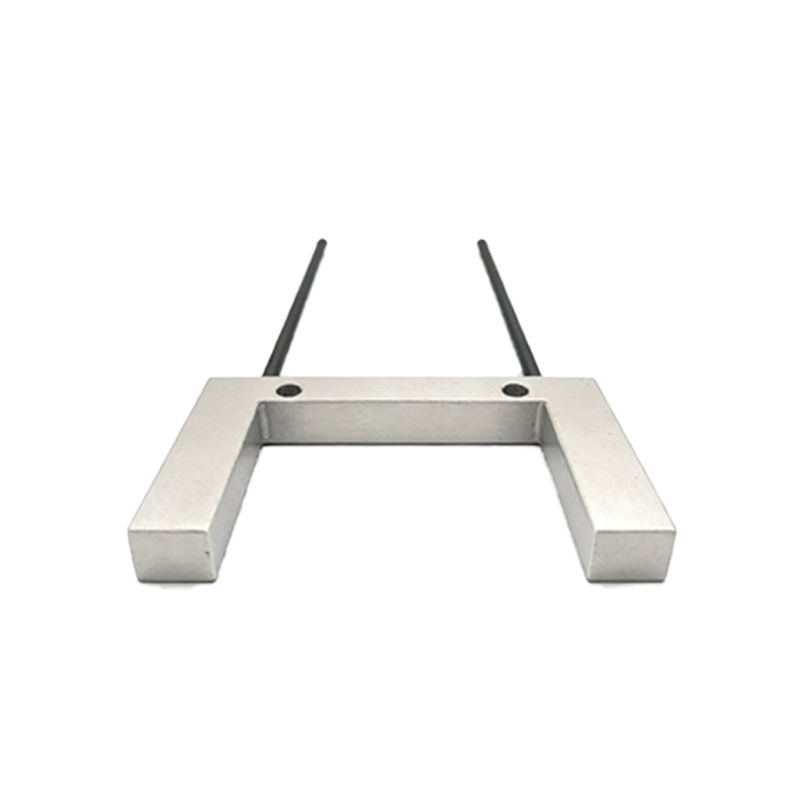
Analog photoelectric sensors output either voltage or current signals, each suited to different system requirements. Voltage output sensors (e.g., 0-10V or 1-5V) are straightforward to interface with standard analog input modules, offering simple wiring and low cost. However, they are more susceptible to noise over long cable runs. Current output sensors (e.g., 4-20mA) are preferred in industrial environments due to their immunity to voltage drops and electromagnetic interference. The 4-20mA loop also provides diagnostic capability: a reading below 4mA indicates a fault. For applications requiring high resolution and long-distance transmission, current output is superior. Engineers must consider the input impedance of the receiving device to ensure accurate scaling. Additionally, some advanced sensors offer both outputs, with selectable ranges via software configuration.
Application-Specific Analog Photoelectric Sensors
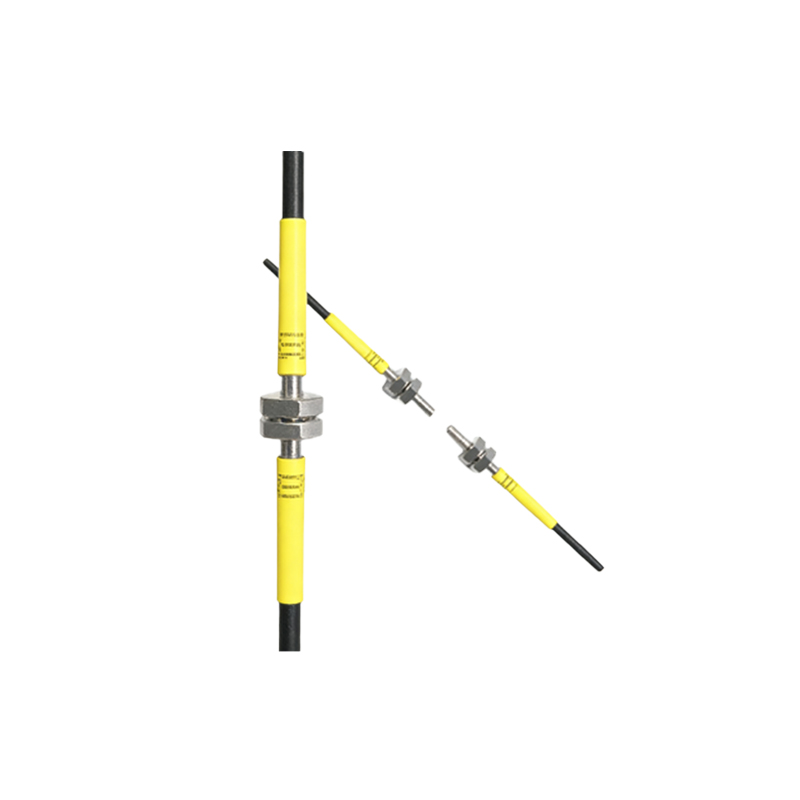
Specialized analog photoelectric sensors are designed for unique industrial tasks. For distance measurement, laser-based analog sensors provide micron-level resolution, used in precision positioning or thickness gauging. Color sensors output analog values corresponding to red, green, and blue components, enabling quality control in printing or food processing. Background suppression sensors eliminate interference from background objects by using triangulation or time-of-flight methods, crucial for detecting targets on moving conveyors. Analog diffuse sensors with adjustable sensitivity are ideal for detecting transparent or low-reflective materials like glass or plastic films. In harsh environments, sensors with IP67 or IP69K ratings withstand washdown processes in food and beverage plants. Selecting the right application-specific type reduces false triggers and improves process reliability.
Installation and Calibration Best Practices for Analog Photoelectric Sensors
Proper installation and calibration ensure optimal performance of analog photoelectric sensors. First, align the sensor with the target's measurement axis, maintaining a clean path for the light beam. For through-beam sensors, ensure the emitter and receiver are precisely opposite. Use a stable mounting bracket to avoid vibration-induced errors. Calibration involves setting the zero point (minimum analog value) and span (maximum analog value) to match the measurement range. Many sensors offer teach-in functions via push buttons or software, simplifying configuration. For current output sensors, verify the loop power supply voltage remains within specifications. Also, consider ambient light interference: use modulated light sensors to filter out sunlight or artificial lighting. Regular cleaning of optics and periodic recalibration extend sensor life in dusty or humid conditions.
Future Trends and Selection Criteria for Analog Photoelectric Sensors
The evolution of analog photoelectric sensors focuses on digitization and integration. IO-Link communication enables bidirectional data exchange, allowing remote configuration and diagnostics. Smart sensors with integrated signal processing can compensate for temperature drift or aging effects. When selecting an analog photoelectric sensor, consider factors like measurement range, resolution, response time, and environmental rating. For long-range applications, laser-based sensors with 0.1mm resolution are recommended. For cost-sensitive projects, standard LED-based diffuse sensors with 4-20mA output are practical. Always review the datasheet for linearity error and repeatability specifications. Consulting with manufacturers or application engineers can help match sensor capabilities to specific process needs, ensuring reliable operation in 24/7 production environments.