In the realm of industrial automation and smart systems, the ability to detect the presence or absence of an object without physical contact is fundamental. Among the various technologies enabling this, the dual output proximity sensor stands out as a particularly versatile and powerful solution. This device goes beyond simple detection, offering two distinct and configurable output signals from a single sensing unit, thereby enhancing system flexibility and intelligence.
At its core, a proximity sensor detects a target object within its sensing range. Traditional models typically provide a single digital output—often a simple ON/OFF signal indicating whether an object is detected. A dual output variant, however, integrates two independent switching outputs within one housing. These outputs can be configured in several ways to meet complex application demands. Commonly, one output might be set for a short sensing range and the other for a longer range. Alternatively, they can be programmed to operate in complementary modes, such as one output activating when an object approaches and the other activating when it departs, or to provide differentiated signals for different types of target materials.
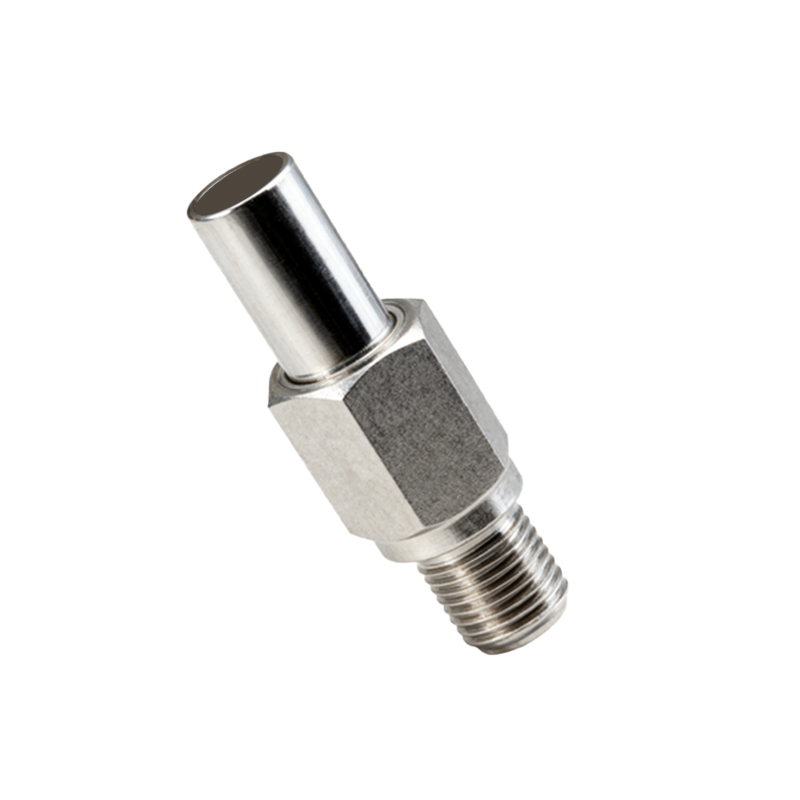
The technological implementation varies with the underlying sensing principle. Inductive dual output sensors, used for detecting metallic objects, might have two oscillating circuits tuned to different frequencies or sensitivities. Capacitive versions, suitable for non-metallic materials like wood, plastic, or liquids, can differentiate based on the degree of capacitance change. Ultrasonic sensors might use two separate threshold levels for distance measurement. This dual-channel architecture allows for state-based monitoring. For instance, in a conveyor system, one output could signal that a part is "in position" for processing, while the second could indicate that the part is "cleared" and the next cycle can begin, enabling precise sequential control without needing multiple sensors.
The advantages of deploying a dual output proximity sensor are significant. The most apparent benefit is space and cost savings. Installing one sensor with two outputs is invariably more compact and often more economical than mounting two separate single-output sensors, simplifying mechanical design and reducing wiring complexity. This consolidation also enhances reliability by minimizing potential failure points associated with multiple devices. From a functionality perspective, these sensors enable advanced logic directly at the sensing point. They can provide early warning signals—a first output triggering as an object enters a "warning zone" and a second acting as a definitive "action zone" signal—which is crucial for safety monitoring or precision staging in assembly lines. Furthermore, the ability to monitor two conditions or ranges simultaneously allows for more sophisticated process control and data acquisition, feeding richer information into Programmable Logic Controllers (PLCs) or other control systems.
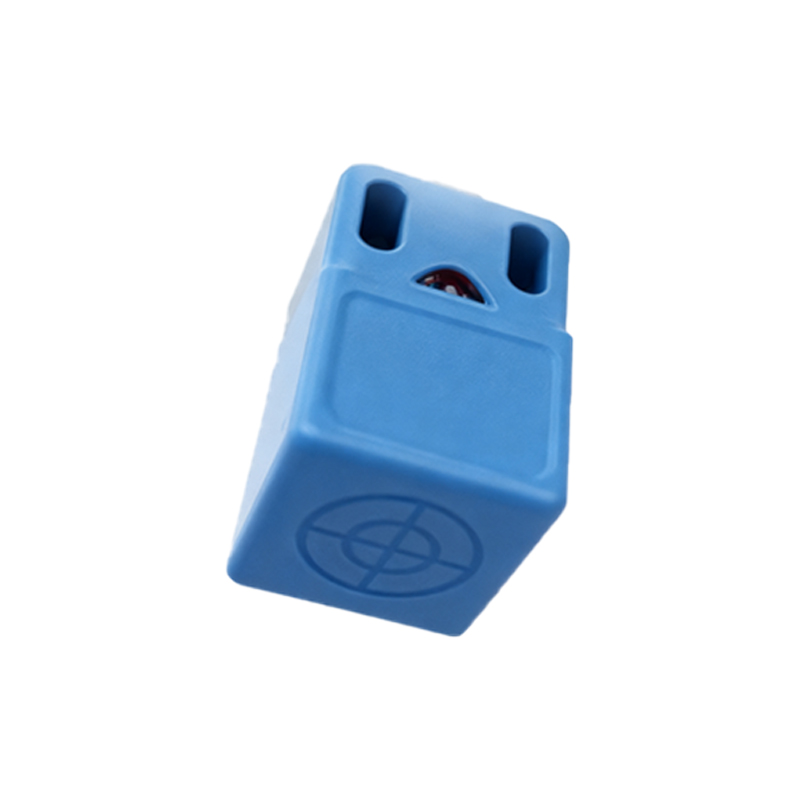
Practical applications for dual output proximity sensors are widespread across industries. In automated packaging machinery, they can control the precise cut-off point of film or foil by using one output to start the feed and the second to initiate the cut at the exact length. Within automotive manufacturing, they are employed in robotic welding cells to confirm both the presence of a car body and the correct closure of a safety door before initiating a weld cycle. In material handling, they can manage pallet stacking by detecting when a pallet reaches a certain height (first output) and when it is fully stacked (second output). Elevator systems utilize them for floor leveling, where one output brings the cabin to a rough stop near the floor and the second provides fine adjustment for perfect alignment. They also find use in condition monitoring, such as detecting both minimal and excessive vibration levels in rotating machinery by sensing the position of a target under different operational states.
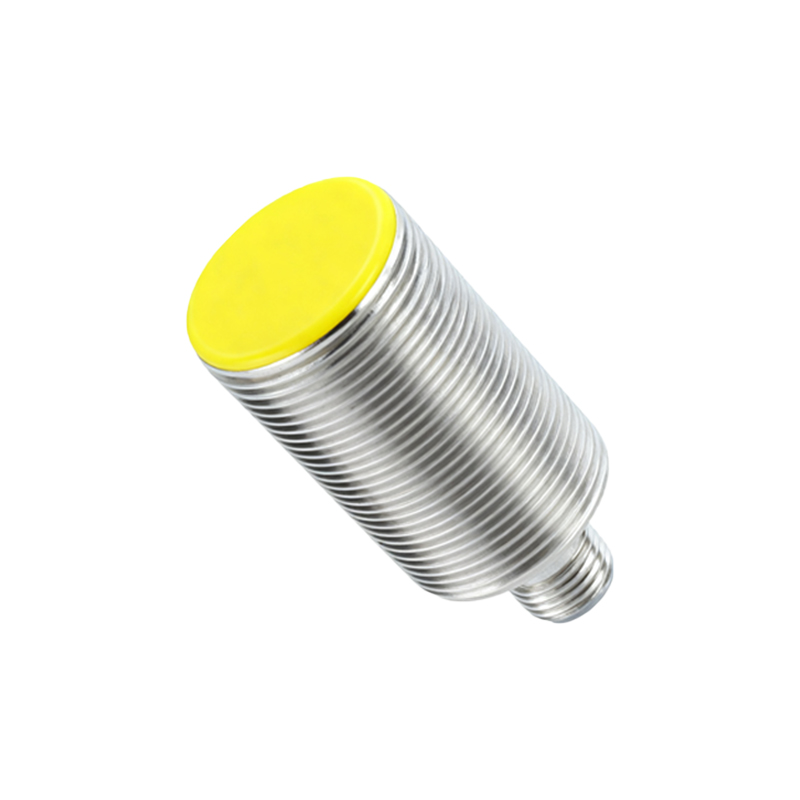
When selecting and implementing a dual output proximity sensor, several factors require careful consideration. The sensing range, response frequency, and environmental robustness (against factors like temperature, moisture, or electromagnetic interference) must match the application. The type of output (e.g., NPN/PNP transistor, or analog) and its wiring configuration are critical for compatibility with the existing control system. Proper installation is paramount; sensors must be positioned to avoid mutual interference between the two sensing fields and to ensure the target object interacts predictably with both set points. Regular maintenance and calibration checks are recommended to ensure both output channels remain accurate over time, as drift in one channel could disrupt the entire controlled sequence.
In conclusion, the dual output proximity sensor represents a smart evolution in sensing technology. By integrating two discrete sensing functions into a single, robust device, it delivers enhanced control capabilities, reduces system complexity, and improves overall operational efficiency. As industrial processes grow more intricate and interconnected, the demand for such intelligent, multi-functional components will continue to rise, solidifying the role of the dual output proximity sensor as a key enabler in advanced automation and IoT-driven environments.