Proximity sensors are essential components in modern automation and industrial systems, detecting the presence or absence of objects without physical contact. At the heart of many inductive proximity sensors lies a critical element: the internal coil. This coil, typically wound around a ferrite core, generates an electromagnetic field when an alternating current passes through it. When a metallic object enters this field, eddy currents are induced in the target, causing a change in the coil's impedance. This impedance shift is detected by the sensor's electronics, triggering an output signal.
The design and construction of the internal coil significantly influence sensor performance. Key factors include the number of windings, wire gauge, core material, and coil geometry. For instance, a higher number of windings can increase sensitivity but may reduce the response frequency. Copper wire is commonly used due to its excellent conductivity, while ferrite cores help concentrate the magnetic field, enhancing detection range and stability. The coil is often encapsulated in epoxy or other materials to protect it from environmental factors like moisture, vibration, and chemical exposure, ensuring long-term reliability in harsh industrial environments.
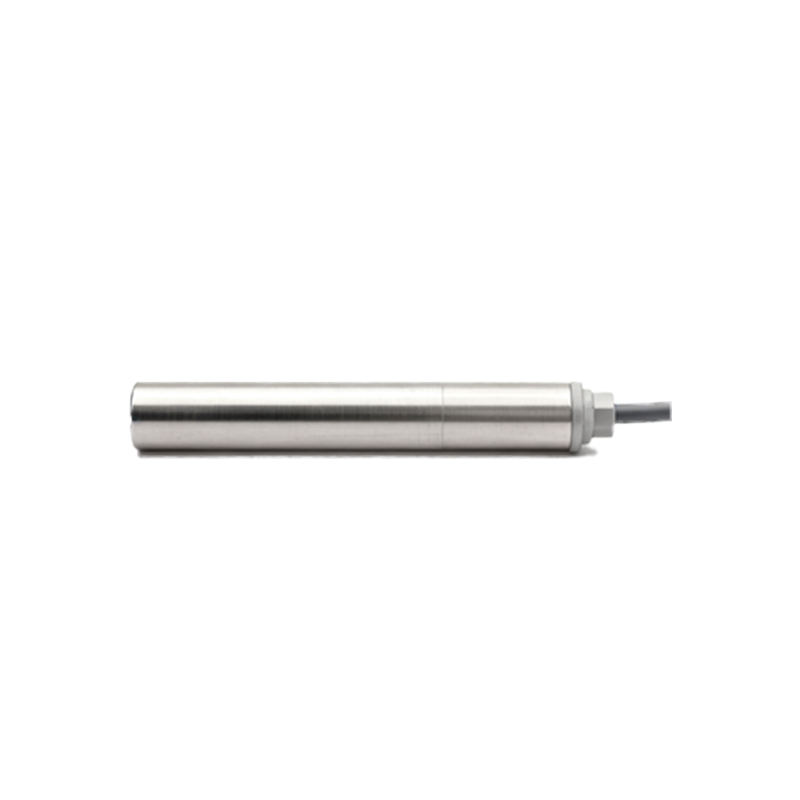
Applications of proximity sensors with internal coils span various industries. In manufacturing, they are used for position sensing, part counting, and machine safety. Automotive assembly lines rely on them for precise component detection, while packaging machinery utilizes them to monitor material flow. The robust nature of inductive sensors, driven by their coil design, makes them suitable for dirty or wet conditions where optical sensors might fail.
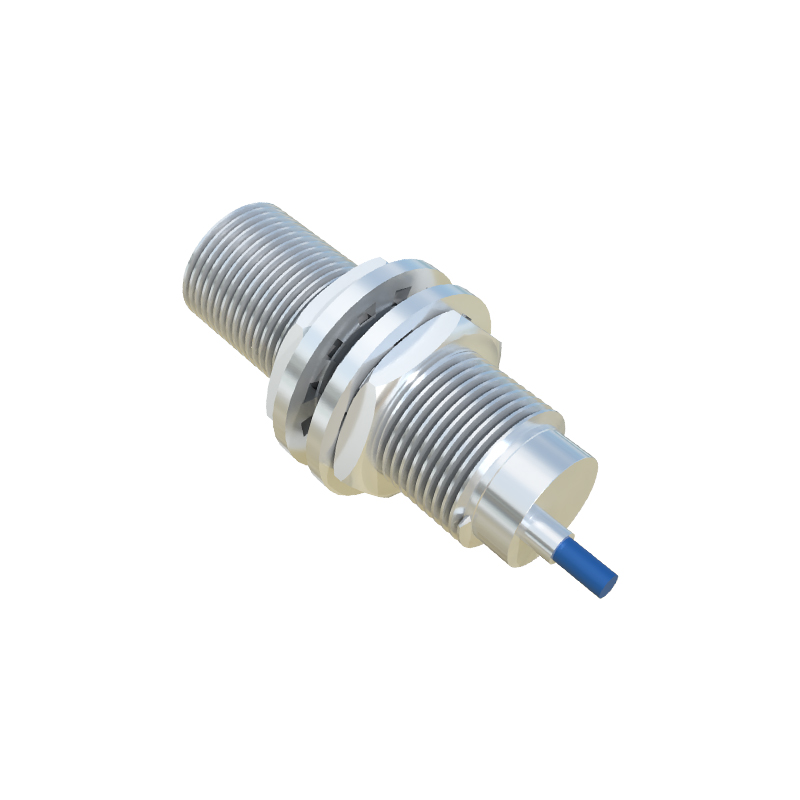
When selecting a proximity sensor, understanding the internal coil's specifications is crucial. Parameters such as operating frequency, sensing distance, and temperature range are directly linked to coil characteristics. For example, sensors designed for high-speed applications often feature optimized coils with lower inductance to achieve faster switching times. Additionally, advancements in coil technology, such as the use of litz wire to reduce skin effect at high frequencies, continue to improve sensor efficiency and accuracy.
Maintenance and troubleshooting of these sensors also involve the coil. Common issues like coil damage or degradation due to overheating can lead to detection failures. Regular inspection and testing, including checking for changes in output behavior or using an ohmmeter to measure coil resistance, can help identify problems early. Proper installation, such as ensuring adequate clearance from other metal objects, prevents interference with the coil's electromagnetic field.
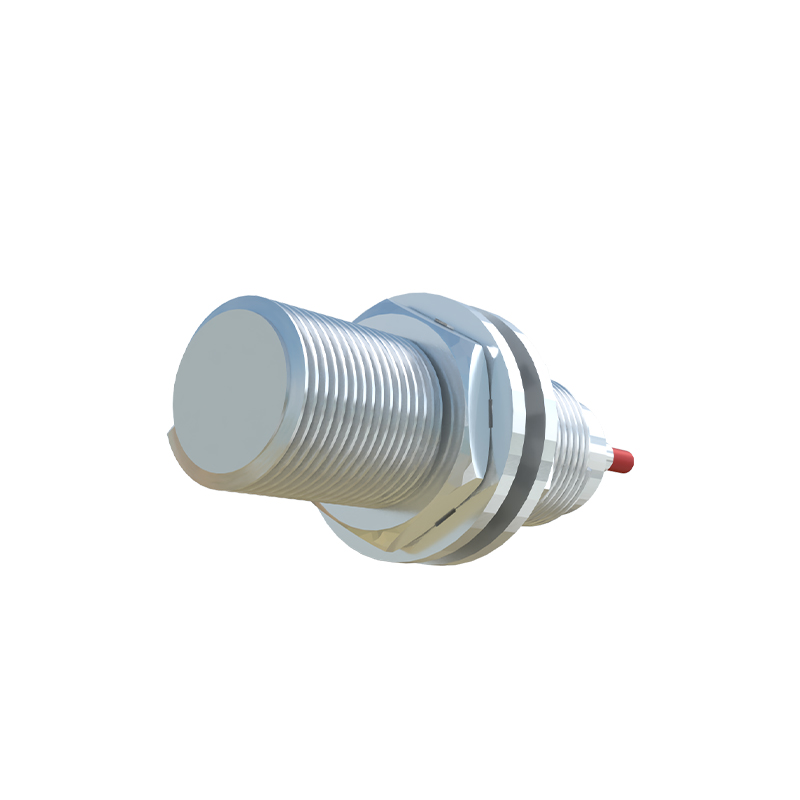
In summary, the internal coil is a fundamental component that defines the functionality and reliability of inductive proximity sensors. Its design principles, material choices, and integration into sensor systems play a pivotal role in meeting diverse industrial demands. As technology evolves, innovations in coil manufacturing and electromagnetic modeling are expected to further enhance sensor performance, enabling smarter and more efficient automation solutions.