In the world of modern electronics, there exists a silent, unseen workforce that makes our interactions with technology seamless and intuitive. These are proximity sensors, the unassuming components that detect the presence or absence of nearby objects without any physical contact. From the moment you lift your smartphone to your ear during a call to the automatic activation of a faucet in a public restroom, proximity sensors are tirelessly at work, bridging the gap between human intent and machine response.
At its core, a proximity sensor is a device that emits an electromagnetic field or a beam of electromagnetic radiation, often infrared light, and looks for changes in the field or return signal. The object being sensed is often referred to as the sensor's target. The fundamental principle hinges on the disruption or reflection of this emitted signal. Different sensor technologies are employed based on the required detection range, target material, environmental conditions, and cost considerations.
The most common types include Inductive, Capacitive, and Optical (usually Infrared) proximity sensors. Inductive sensors are the stalwarts of industrial automation. They generate an oscillating electromagnetic field and detect the eddy current losses caused when a metallic target enters this field. They are robust, reliable, and ideal for detecting metals in harsh factory environments, such as counting products on a conveyor belt or verifying the position of a robotic arm.
Capacitive sensors, on the other hand, can detect both metallic and non-metallic materials like liquids, plastics, or wood. They function by measuring changes in capacitance between the sensor and the target. This makes them perfect for level sensing in tanks, touch-sensitive interfaces, and detecting the presence of a person. Optical proximity sensors, frequently using infrared LEDs and photodetectors, are ubiquitous in consumer electronics. They detect the reflection of an infrared beam, allowing your smartphone screen to turn off when held to your ear, saving battery and preventing accidental touch inputs.
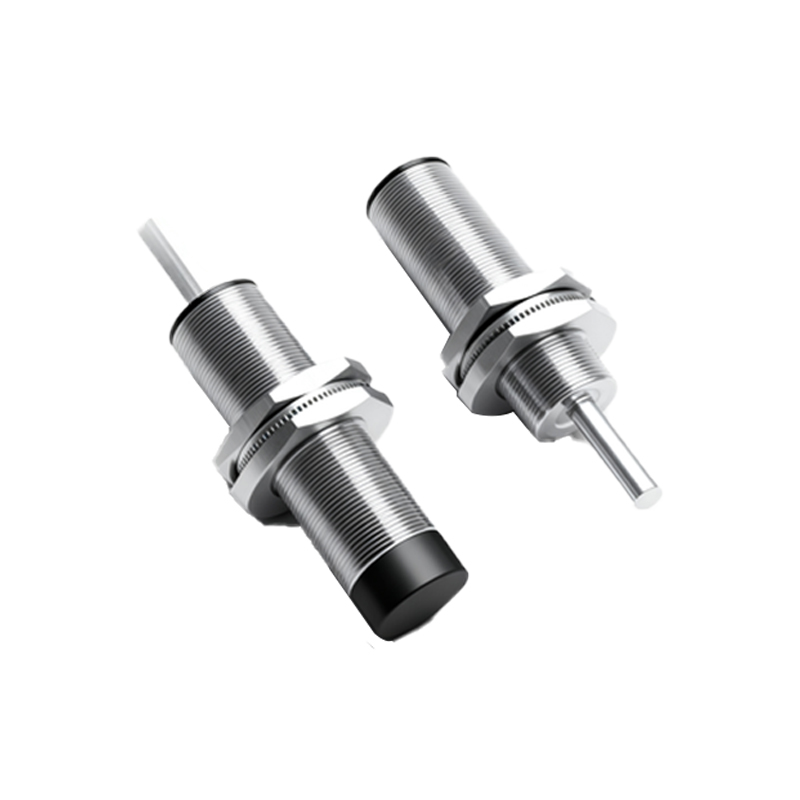
The applications of proximity sensing are vast and deeply integrated into daily life. In the automotive sector, they are critical for parking assistance systems, blind-spot monitoring, and automatic braking systems, enhancing safety by providing a digital "sense" of the vehicle's surroundings. In retail and public spaces, automatic doors welcome visitors, while touchless soap dispensers and faucets promote hygiene. Industrial manufacturing relies heavily on them for precise positioning, object counting, and machine safety, ensuring smooth and secure production lines.
Smartphones represent one of the most personal and frequent interactions with this technology. Beyond the call screen management, proximity sensors enable features like "Always-on Display," which wakes the screen when a hand is waved over it, and they work in tandem with ambient light sensors to optimize screen brightness. In the realm of virtual and augmented reality headsets, proximity sensors detect when the headset is worn, triggering the display to turn on and conserving power when taken off.
The evolution of proximity sensing continues with advancements in technology. Time-of-Flight (ToF) sensors, which measure the time it takes for light to bounce back from an object, are enabling more precise gesture recognition and 3D mapping. Multi-sensor fusion, combining proximity data with inputs from cameras, accelerometers, and gyroscopes, is creating context-aware devices that understand their environment and user's intentions on a deeper level.
Despite their simplicity in concept, designing with proximity sensors presents challenges. Engineers must account for environmental interference—such as ambient light for optical sensors or other metals for inductive sensors. False triggers, calibration for different target materials, and power consumption, especially in battery-operated devices, are constant considerations. The choice of sensor is a careful balance between performance, durability, size, and cost.
Looking ahead, the future of proximity sensing is intertwined with the growth of the Internet of Things (IoT) and smart environments. As more objects become connected and intelligent, the need for them to perceive their surroundings without direct contact will only increase. We can expect sensors to become smaller, more energy-efficient, and smarter, capable of distinguishing between different types of proximity—like a person approaching versus a pet—and triggering more nuanced responses.
In conclusion, proximity sensors are a foundational technology of the digital age. They operate in the background, often unnoticed, yet they fundamentally enable the responsive, intuitive, and automated experiences we have come to expect from our devices and environments. By providing a simple, non-contact method of detection, they serve as a crucial interface, translating physical presence into actionable digital data, and quietly powering the convenience and efficiency of modern life.