In today's interconnected world, the need for reliable and precise monitoring of territorial boundaries has never been greater. Border proximity sensors represent a critical technological advancement, providing automated detection and alert capabilities for a wide range of security and operational applications. These systems are designed to identify the presence or approach of objects, vehicles, or individuals within a predefined zone near a perimeter, enabling proactive responses before a boundary is physically breached.
The core technology behind these sensors varies, offering different advantages based on the environment and detection requirements. Common types include seismic sensors, which detect ground vibrations from footsteps or vehicles; infrared (IR) sensors, which sense heat signatures and movement; microwave radar sensors, which use radio waves to detect motion and speed; and magnetic sensors, which identify disturbances in the Earth's magnetic field caused by large metallic objects. Often, a layered approach combining multiple sensor types is employed to reduce false alarms and enhance overall system reliability. For instance, a passive infrared (PIR) sensor might trigger an initial alert, which is then verified by a radar scan before security personnel are notified.
The applications of border proximity sensing extend far beyond traditional national border security. They are integral to protecting critical infrastructure such as airports, power plants, data centers, and industrial facilities. In these settings, sensors create an invisible "tripwire" that can differentiate between routine activity and potential threats. Furthermore, they play a vital role in smart agriculture, where they can monitor fence lines to prevent livestock from wandering or detect wildlife intrusion. In logistics and warehouse management, similar sensors help manage access points and monitor the perimeter of storage yards, improving inventory security and operational flow.
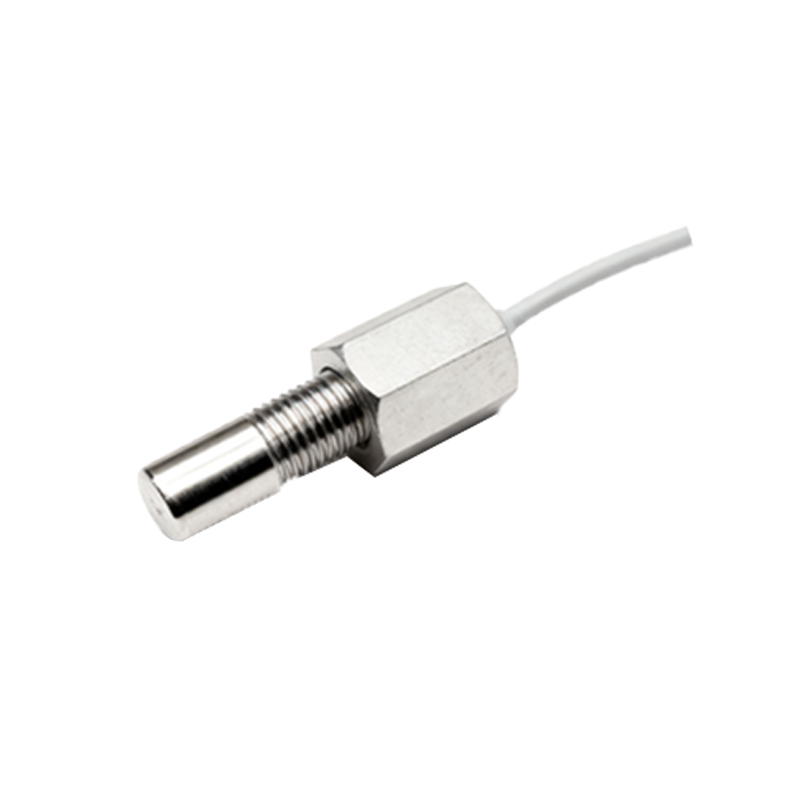
Deployment and integration are key to a sensor system's effectiveness. Modern border proximity systems are increasingly networked and connected to central command software. This allows for real-time data visualization on digital maps, where alerts are geotagged for immediate location identification. Integration with other security components—such as surveillance cameras, lighting systems, and automated access controls—creates a comprehensive solution. When a sensor is triggered, cameras can pan and zoom to the exact location, lights can activate to deter intruders and aid assessment, and gates can be automatically secured. This level of automation significantly reduces response times and lessens the burden on human operators.
The benefits of implementing such a system are substantial. The primary advantage is enhanced situational awareness, providing a 24/7 monitoring capability unaffected by weather conditions or human fatigue. This leads to improved security outcomes by preventing incidents rather than merely responding to them. From an efficiency standpoint, automated detection allows for the optimal deployment of patrol and guard resources, focusing human attention where it is genuinely needed. For large, remote perimeters, this can result in significant cost savings over traditional manned patrols alone. Additionally, the data logs generated by these systems provide valuable forensic information for post-incident analysis and long-term pattern recognition, helping to refine security protocols over time.
However, successful implementation requires careful consideration of several factors. Environmental challenges like extreme temperatures, heavy rain, fog, or dense foliage can affect the performance of certain sensor types. Proper site assessment is crucial to select the right technology mix and placement. Cybersecurity is another critical concern, as networked sensors become potential targets for hacking or jamming. Ensuring encrypted data transmission and robust network architecture is essential. Furthermore, system calibration and regular maintenance are necessary to minimize nuisance alarms caused by animals, blowing debris, or other non-threatening environmental factors, which can lead to alert fatigue if not properly managed.

Looking ahead, the evolution of border proximity sensors is closely tied to broader trends in the Internet of Things (IoT) and artificial intelligence. Future systems will leverage AI algorithms to perform more sophisticated behavioral analytics. Instead of just detecting motion, sensors will be able to classify targets—distinguishing between a human, a vehicle, or an animal—and assess intent based on movement patterns. The integration of drone technology with fixed sensor networks is also emerging, where a ground sensor alert can automatically dispatch an unmanned aerial vehicle (UAV) for aerial verification and tracking. These advancements promise to create even smarter, more adaptive, and more resilient perimeter security ecosystems that are fundamental to safety and operational integrity in an increasingly complex world.