Selecting the right proximity sensor is a critical decision that impacts the efficiency, reliability, and cost-effectiveness of countless industrial automation, consumer electronics, and automotive applications. With a vast array of technologies and specifications available, navigating the selection process requires a clear understanding of key criteria. This guide outlines the fundamental standards and factors to consider for optimal sensor selection.
The first and most decisive step is identifying the target object's characteristics. What material is it made of? Inductive sensors are the predominant choice for detecting metallic objects, primarily ferrous metals like steel and iron, though many can also sense non-ferrous metals like aluminum, copper, or brass with reduced sensing ranges. For non-metallic targets—such as plastic, glass, wood, or liquids—capacitive sensors are typically required. Furthermore, consider the target's size, shape, and whether it has a consistent presentation to the sensor. A small or irregularly shaped object may require a sensor with a more focused sensing field or a different form factor.
Next, define the required sensing range. This is the maximum distance at which the sensor can reliably detect a standard target. It is crucial to choose a sensor with a nominal sensing range that exceeds your application's maximum required distance by a safety margin, typically 10-20%, to account for environmental variations and part tolerances. Do not confuse sensing range with the mechanical mounting distance; always refer to the sensor's datasheet for precise specifications, as the effective range can vary with target material and size.
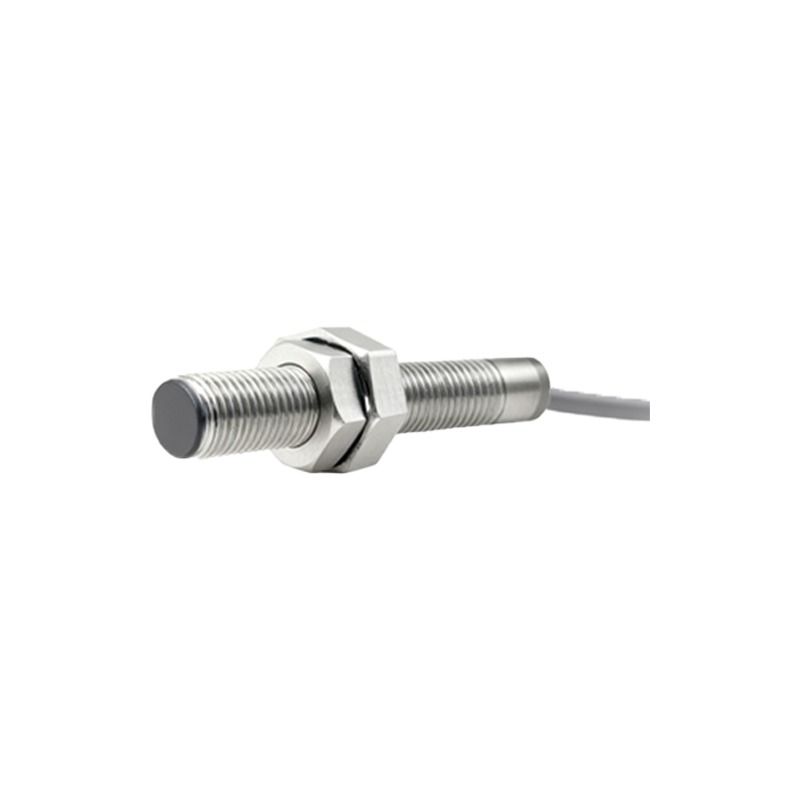
The operating environment presents another layer of critical constraints. Consider the ambient temperature, which can affect electronic performance. Industrial sensors are often rated for extended temperature ranges (e.g., -25°C to 70°C). Exposure to chemicals, oils, or coolants necessitates sensors with appropriate housing materials and ingress protection (IP) ratings. An IP67 rating, for example, guarantees protection against dust and temporary immersion in water. Vibration and mechanical shock are also key factors, especially in heavy machinery or mobile equipment, requiring robust construction.
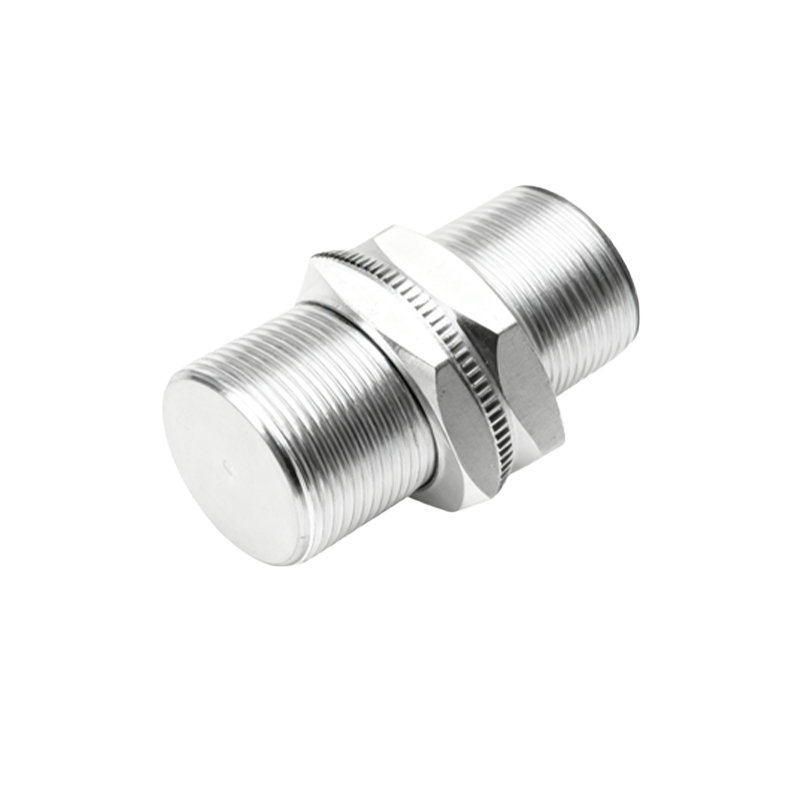
Electrical requirements and output configuration must seamlessly integrate with your control system. Determine the available supply voltage (commonly 10-30V DC or 90-250V AC) and the required output type. The two primary types are discrete (digital) outputs, either NPN (sinking) or PNP (sourcing), and analog outputs (4-20mA or 0-10V) that provide a signal proportional to the distance. The output's current-carrying capacity must match the load of the connected device, such as a PLC input or a relay coil. Response time, the speed at which the sensor reacts to a target's presence or absence, is vital for high-speed applications like counting or sorting on fast-moving production lines.
Physical characteristics, though sometimes overlooked, are equally important. The sensor's housing style—tubular (threaded barrel), rectangular, or slot-style—must fit the available mounting space and allow for proper alignment. Factors like embeddability (flush or non-flush mounting for inductive sensors) directly affect the sensing range and potential mechanical damage. Connection methods, such as pre-wired cables or quick-disconnect connectors, influence installation time and maintenance ease.
Finally, consider any special features or certifications needed for your application. In hazardous locations with explosive atmospheres, sensors with ATEX, IECEx, or similar certifications are mandatory. For food and pharmaceutical industries, sensors with stainless steel housings and smooth surfaces that meet hygiene standards (e.g., FDA compliance, IP69K for high-pressure washdown) are essential. Additional features like short-circuit protection, reverse polarity protection, and diagnostic indicators (LEDs) enhance reliability and simplify troubleshooting.
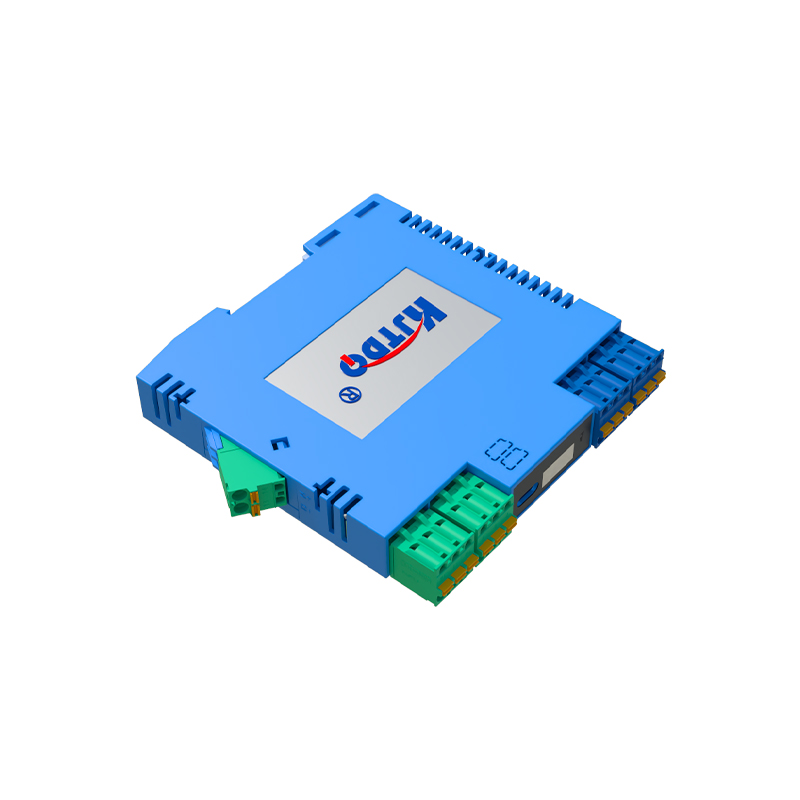
In conclusion, a methodical approach to proximity sensor selection, focusing on target material, sensing range, environment, electrical interface, physical form, and special requirements, will ensure a reliable and long-lasting solution. Always consult detailed manufacturer datasheets and, when in doubt, seek application engineering support to validate your choice before final implementation.