Proximity sensors are electronic devices designed to detect the presence or absence of objects within a certain range without any physical contact. These sensors have become integral components across various industries, enabling automation, safety, and efficiency. By emitting an electromagnetic field or beam, proximity sensors can identify changes in the environment, triggering specific actions in response.
There are several types of proximity sensors, each suited for different applications. Inductive proximity sensors, for instance, detect metallic objects by generating an oscillating electromagnetic field. When a metal object enters this field, it induces eddy currents, causing the sensor to activate. These sensors are commonly used in manufacturing for tasks like counting metal parts or monitoring machinery positions. Capacitive proximity sensors, on the other hand, can detect both metallic and non-metallic materials, including liquids and plastics. They work by measuring changes in capacitance when an object enters their electrostatic field, making them ideal for applications like liquid level detection or material handling.
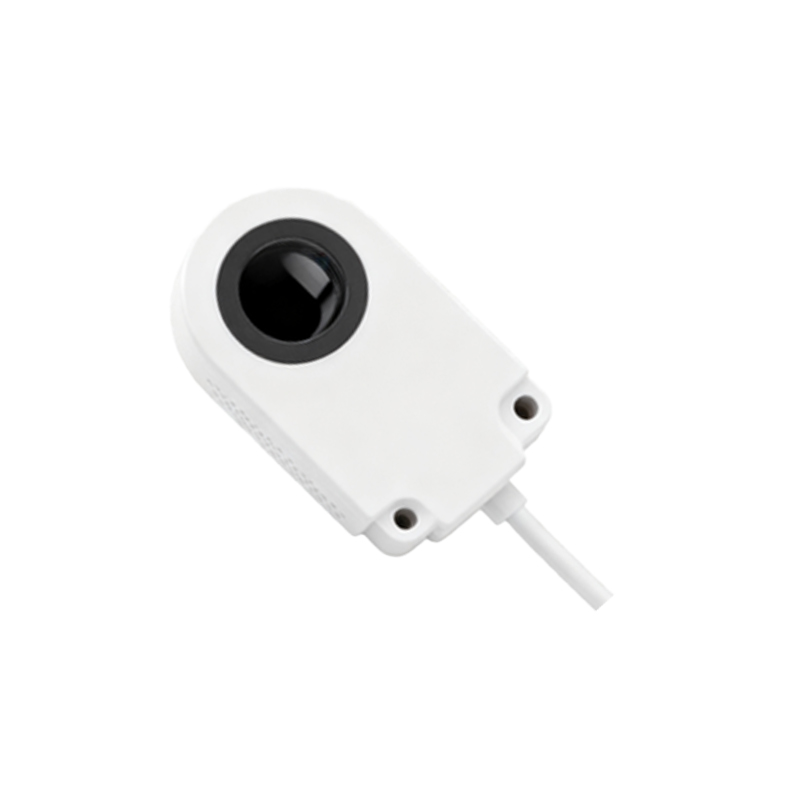
Another popular type is the photoelectric proximity sensor, which uses light beams to detect objects. These sensors consist of a light emitter and receiver; when an object interrupts the light beam, the sensor responds accordingly. They are highly versatile and used in packaging, automotive assembly, and even consumer electronics. Ultrasonic proximity sensors utilize sound waves to measure distance, emitting high-frequency pulses and calculating the time it takes for echoes to return. This makes them effective in harsh environments where dust, moisture, or temperature variations might affect other sensor types, such as in agriculture or robotics.
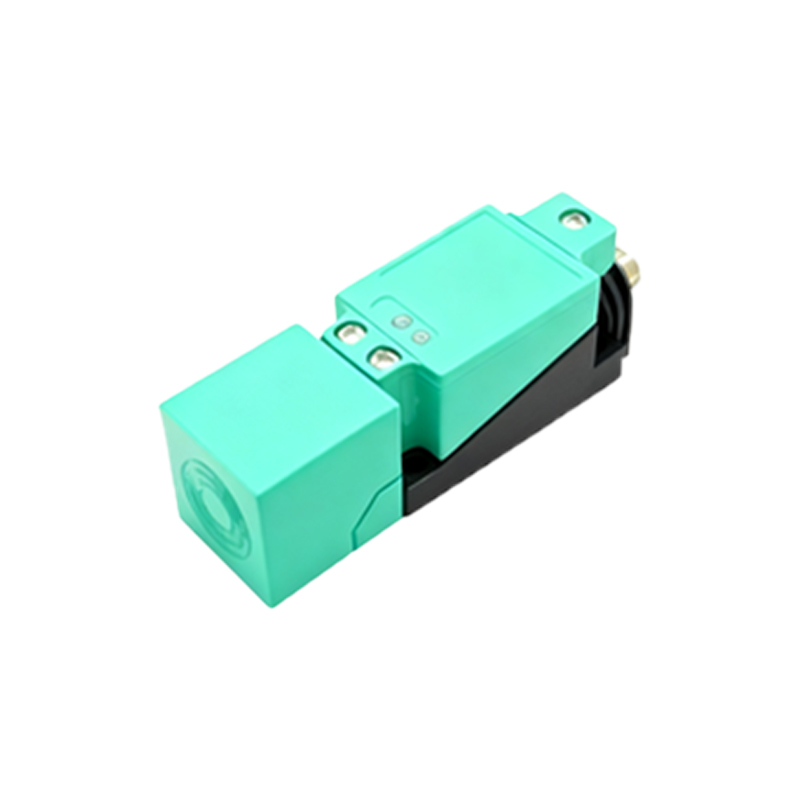
The applications of proximity sensors are vast and continually expanding. In the automotive industry, they are crucial for parking assistance systems, collision avoidance, and automated braking. Smartphones incorporate proximity sensors to turn off screens during calls, conserving battery life and preventing accidental touches. In industrial settings, these sensors enhance safety by monitoring equipment proximity to prevent accidents, while in healthcare, they enable touchless interfaces for hygiene-sensitive devices.
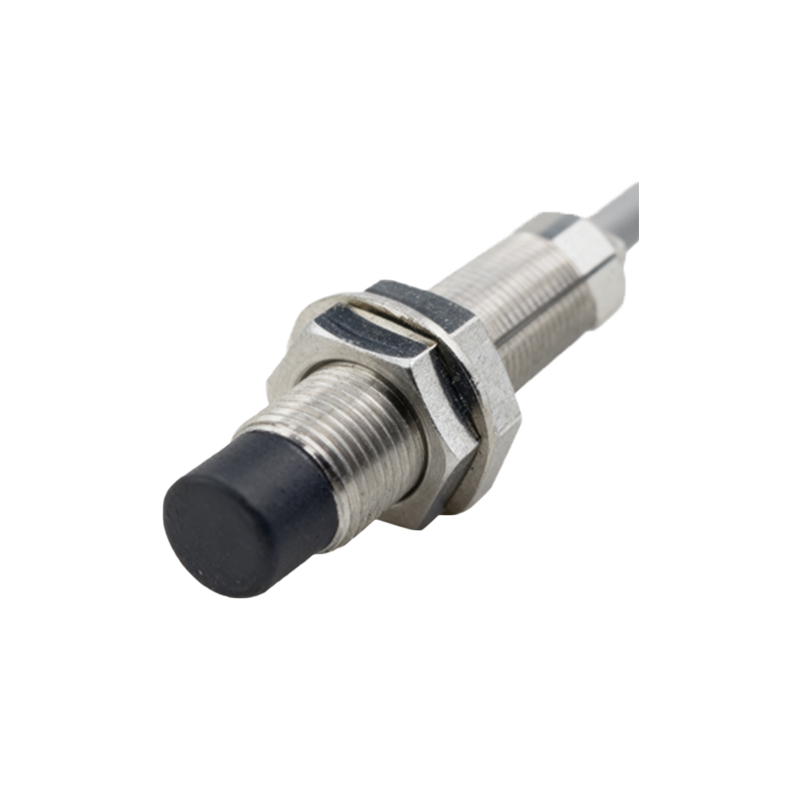
Advancements in technology have led to the development of more sophisticated proximity sensors with improved accuracy, range, and durability. For example, infrared (IR) sensors are now widely used in gesture recognition systems, allowing users to control devices with simple hand movements. Additionally, the integration of proximity sensors with Internet of Things (IoT) platforms has enabled real-time data collection and remote monitoring, driving innovations in smart homes and cities.
Despite their benefits, selecting the right proximity sensor requires consideration of factors like detection range, environmental conditions, and target material. Proper installation and maintenance are also essential to ensure reliable performance. As industries embrace automation and digital transformation, the demand for proximity sensors is expected to grow, fostering further research and development in this field.
In summary, proximity sensors play a pivotal role in modern technology by enabling non-contact detection and automation. Their diverse types and applications make them indispensable tools across sectors, from manufacturing to consumer electronics. As innovation continues, these sensors will likely become even more efficient and integral to our daily lives, shaping the future of interactive and automated systems.