The oil and gas industry relies on a vast, intricate network of pipelines to transport resources across continents. Ensuring the integrity of this critical infrastructure is paramount for safety, environmental protection, and operational efficiency. Traditional inspection methods, while valuable, often involve downtime, physical contact, or limited data resolution. Today, a transformative technology is enhancing pipeline monitoring: the laser ranging sensor, also known as a laser distance sensor or LiDAR (Light Detection and Ranging) in specific configurations.
At its core, a laser ranging sensor operates by emitting a focused beam of light towards a target—in this case, a pipeline's interior or exterior surface. The sensor precisely measures the time it takes for the light pulse to reflect back. This Time-of-Flight (ToF) principle allows for the calculation of distance with extraordinary accuracy, often down to sub-millimeter levels. When deployed for pipeline applications, these sensors create highly detailed, three-dimensional profiles of the pipe's geometry.
The primary application lies in internal inspection using specialized tools called "smart pigs" or in-line inspection (ILI) tools. As these robotic devices travel through a pipeline, an array of laser sensors continuously scans the interior wall. They detect and quantify various forms of geometric deformation. This includes the precise measurement of dents caused by external interference or ground movement, ovality where the pipe cross-section deviates from a perfect circle, and wrinkles or buckles. By comparing the measured profile to the pipe's original specifications, engineers can identify areas of stress and potential weakness long before a failure occurs.
Furthermore, laser ranging is instrumental in assessing corrosion and erosion. While it does not measure wall thickness directly like ultrasonic sensors, it provides exceptional data on the internal surface profile. Pitting corrosion, metal loss, and general wear manifest as deviations in the scanned surface. When integrated with other sensing technologies like magnetic flux leakage (MFL) within an ILI tool, laser data offers a comprehensive picture, distinguishing between internal metal loss and external damage with high confidence.
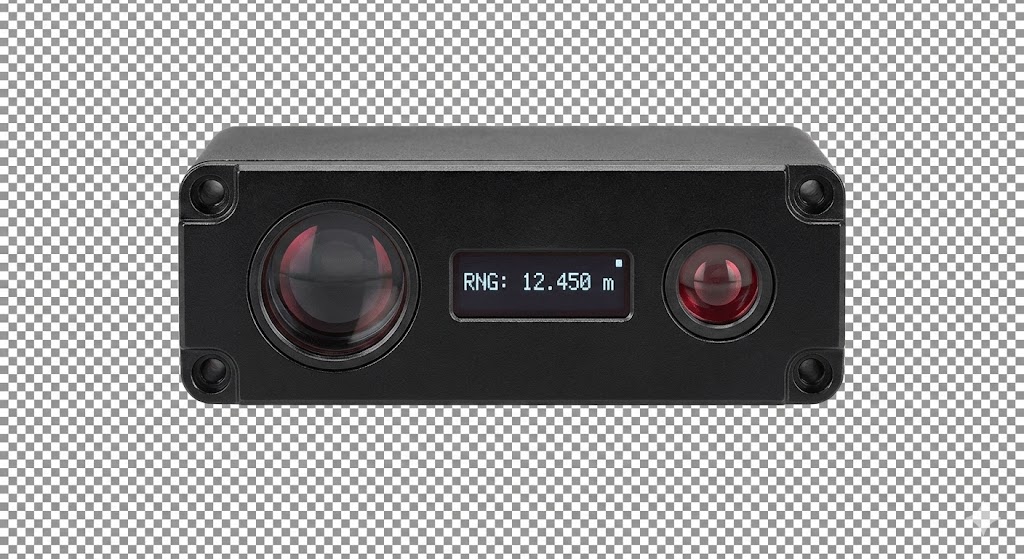
For external pipeline monitoring, above-ground or aerial surveys using mobile or drone-mounted laser scanners are becoming increasingly common. These systems can map pipeline routes, detect encroachments by vegetation or construction, identify subsidence or landslides that may strain the pipeline, and monitor the condition of protective coatings. The ability to conduct frequent, non-contact surveys over long distances significantly improves right-of-way management and preventative maintenance planning.
The advantages of laser ranging for pipeline inspection are compelling. It is a non-contact method, eliminating the risk of damaging the pipe surface. It provides high-density, high-accuracy data, enabling the detection of very small anomalies. The digital nature of the data facilitates easy integration into Geographic Information Systems (GIS) and asset management platforms, allowing for trend analysis and predictive maintenance models. This data-driven approach helps operators prioritize repairs, optimize inspection schedules, and extend the safe operational life of their assets.
Despite its strengths, the technology is not without challenges. The performance of laser sensors can be affected by the condition inside the pipeline; excessive debris, wax buildup, or certain liquids can scatter or absorb the laser beam, reducing data quality. Therefore, pipeline cleaning is often a prerequisite for internal laser inspection. Additionally, the initial investment in advanced ILI tools and data interpretation expertise is significant, though the long-term return on investment through prevented incidents and optimized operations is substantial.

Looking ahead, the integration of laser ranging data with artificial intelligence and machine learning algorithms represents the next frontier. AI can automate the analysis of massive datasets, instantly classifying anomalies, predicting growth rates of defects, and recommending specific actions. This moves the industry from periodic inspection to continuous, intelligent integrity management.
In conclusion, laser ranging sensors have evolved from a niche measurement tool to a cornerstone of modern pipeline integrity management. By delivering precise, reliable, and actionable data on the geometric health of pipelines, this technology empowers the oil and gas industry to safeguard its infrastructure, protect the environment, and ensure the reliable delivery of energy resources. As sensor technology advances and data analytics grow more sophisticated, the role of laser inspection in creating a safer and more efficient pipeline network will only become more pronounced.