In an increasingly automated and safety-conscious world, a silent, unseen technology works tirelessly to protect, enable, and streamline our interactions with machines and environments. This technology is the proximity detector, a sensor that has become a fundamental component in countless applications, from the smartphone in your pocket to the massive robotic arms on a factory floor. At its core, a proximity detector is a device that can sense the presence or absence of a nearby object without any physical contact. It achieves this by emitting a field or beam of electromagnetic radiation, light, or sound and then detecting changes in the return signal or field.
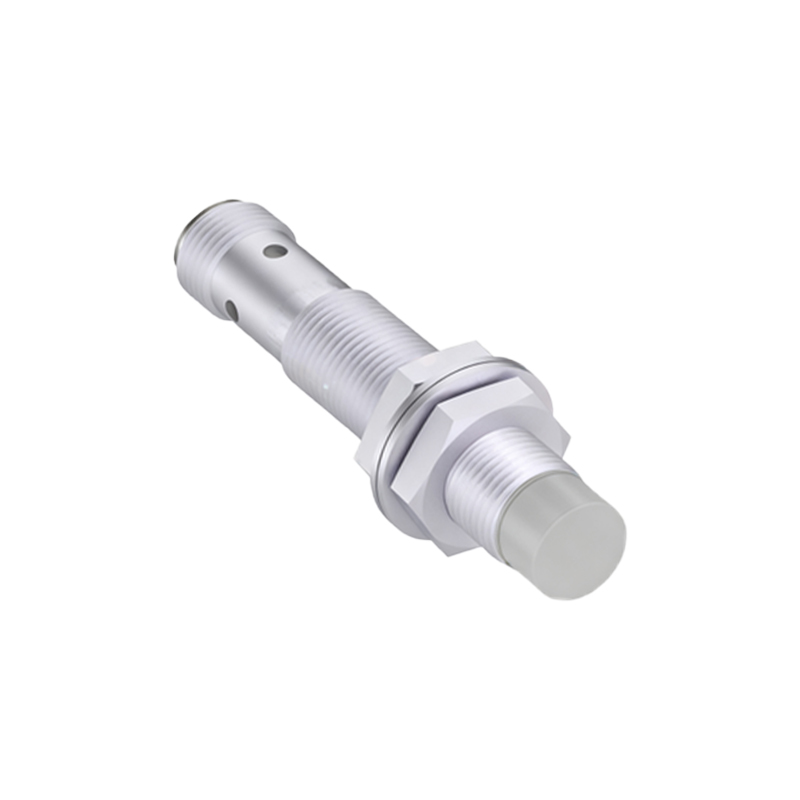
The principle of operation varies significantly based on the underlying technology, each suited to specific needs and environments. Inductive proximity sensors are among the most common in industrial settings. They generate an oscillating electromagnetic field. When a metallic object enters this field, it induces eddy currents within the metal, which in turn cause a detectable change in the sensor's oscillation amplitude. This makes them ideal for detecting metal parts in machinery, counting products on conveyor belts, or ensuring a robotic gripper has correctly picked up a component. Their key strengths are reliability, durability in harsh conditions (being resistant to dust, oil, and moisture), and insensitivity to non-metallic objects.
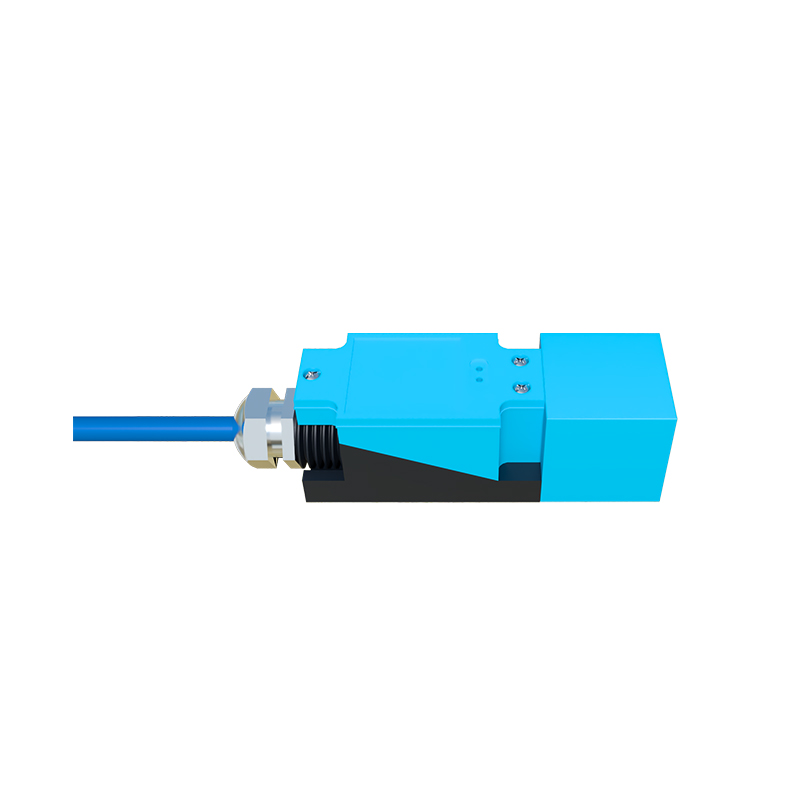
For applications requiring detection of all materials, including plastics, wood, liquids, and glass, capacitive proximity sensors are the tool of choice. These sensors function by generating an electrostatic field. Any object that enters this field, regardless of its conductivity, alters the capacitance of the system. This change is measured and triggers the sensor's output. You'll find capacitive sensors used in liquid level detection in tanks, material handling systems, and even as touch-sensitive buttons on consumer devices, where they detect the presence of a finger.
Another widespread category is the photoelectric sensor, which operates on the principle of light. It consists of a light emitter (usually an LED) and a receiver. When the emitted light beam is interrupted or reflected by an object, the receiver detects the change. These are further divided into through-beam, retro-reflective, and diffuse-reflective types, offering solutions for long-range detection, clear object discrimination, and compact installation. Photoelectric sensors are ubiquitous in packaging automation, security systems (like garage door safety edges), and even in smartphones to disable the touchscreen when held to your ear.
Ultrasonic sensors represent a highly versatile group. They work by emitting high-frequency sound pulses and measuring the time it takes for the echo to return. The time-of-flight calculation provides highly accurate distance measurement, not just presence detection. This makes them perfect for applications like parking assist systems in vehicles, bulk material level sensing in silos, and collision avoidance for autonomous mobile robots (AMRs). They are effective in environments with smoke, dust, or varying light conditions where optical sensors might fail.
The applications of proximity detectors are as diverse as their technologies. In automotive systems, they are the backbone of parking assistance, blind-spot monitoring, and automatic braking systems, significantly enhancing driver safety. In consumer electronics, they manage display power by turning off screens during calls and enable gesture control in smart home devices. Industrial automation relies on them for precise positioning, object counting, and ensuring machine and operator safety through interlock systems that prevent machinery from operating when a person is too close. In the realm of smart infrastructure, they control automatic doors, manage lighting in buildings, and monitor traffic flow.
Selecting the right proximity detector hinges on several critical factors. The nature of the target material (metal, plastic, liquid) is paramount. The required sensing range, from a few millimeters to several meters, will narrow down the options. Environmental conditions such as temperature extremes, presence of contaminants, or washdown requirements dictate the sensor's housing and ingress protection (IP) rating. Finally, the required output type—a simple digital on/off signal or an analog signal proportional to distance—determines how the sensor integrates with the broader control system, such as a PLC (Programmable Logic Controller).
As technology advances, proximity detectors are becoming smarter, smaller, and more integrated. The advent of IO-Link, a point-to-point serial communication protocol, is turning standard sensors into intelligent devices capable of reporting detailed diagnostic data, parameter changes, and process values beyond a simple switch signal. This facilitates predictive maintenance, where a sensor can warn of impending failure or contamination before it causes downtime. Furthermore, sensor fusion, combining data from proximity detectors with cameras or inertial measurement units (IMUs), is creating more robust and context-aware systems for advanced robotics and autonomous vehicles.
From ensuring a manufacturing line runs smoothly to making our daily interactions with technology seamless and safe, proximity detectors are the invisible guardians of modern engineering. Their continued evolution promises even greater levels of efficiency, intelligence, and integration, quietly shaping a more responsive and automated future.