Understanding the Function of Opposed-Mode Photoelectric Sensors
In industrial automation, opposed-mode photoelectric sensors, also known as through-beam sensors, consist of a separate emitter and receiver. They detect objects when the light beam between them is blocked. These sensors offer high reliability and long detection ranges, making them ideal for harsh environments. However, their performance heavily depends on the integrity of the light path. Environmental factors like ambient light, dust, moisture, and mechanical misalignment can degrade accuracy. The sensor shroud, or housing, is not just a protective cover; it is a precision-engineered component that ensures consistent operation.
Why Shrouds Are Essential for Sensor Performance
A properly designed sensor shroud serves multiple functions. First, it acts as a physical barrier against contaminants such as oil, dust, and metal shavings, which are common in manufacturing plants. Second, it reduces ambient light interference from welding arcs, sunlight, or nearby machinery. Third, the shroud provides mechanical alignment, minimizing vibration-induced beam drift. In high-speed packaging lines or conveyor systems, where even a 1mm misalignment can cause false signals, the shroud’s rigid structure is critical. It also houses mounting brackets and cable connectors, simplifying installation and maintenance.
Key Design Considerations for Industrial Environments
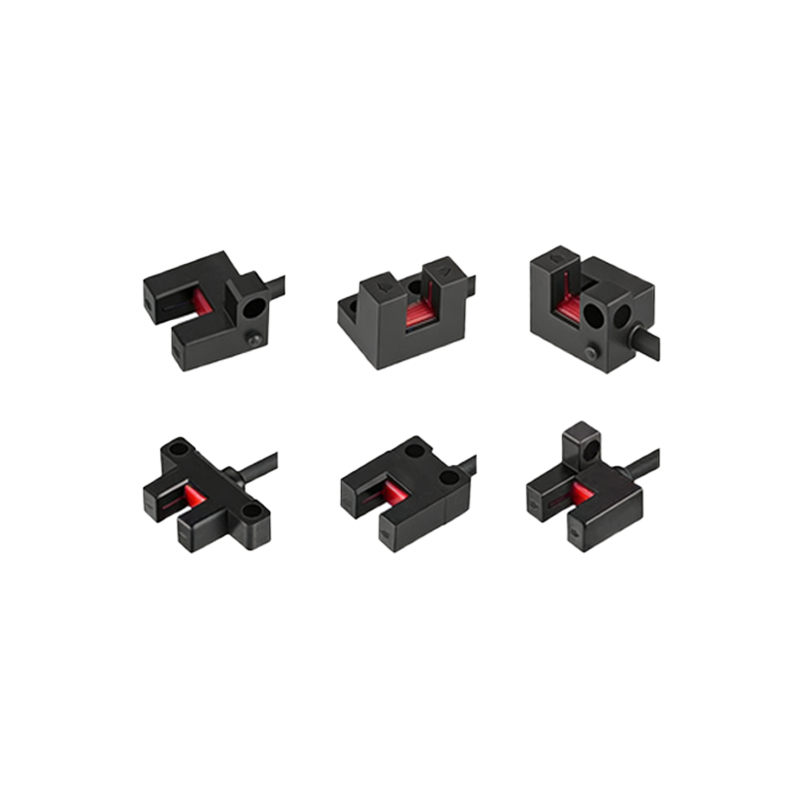
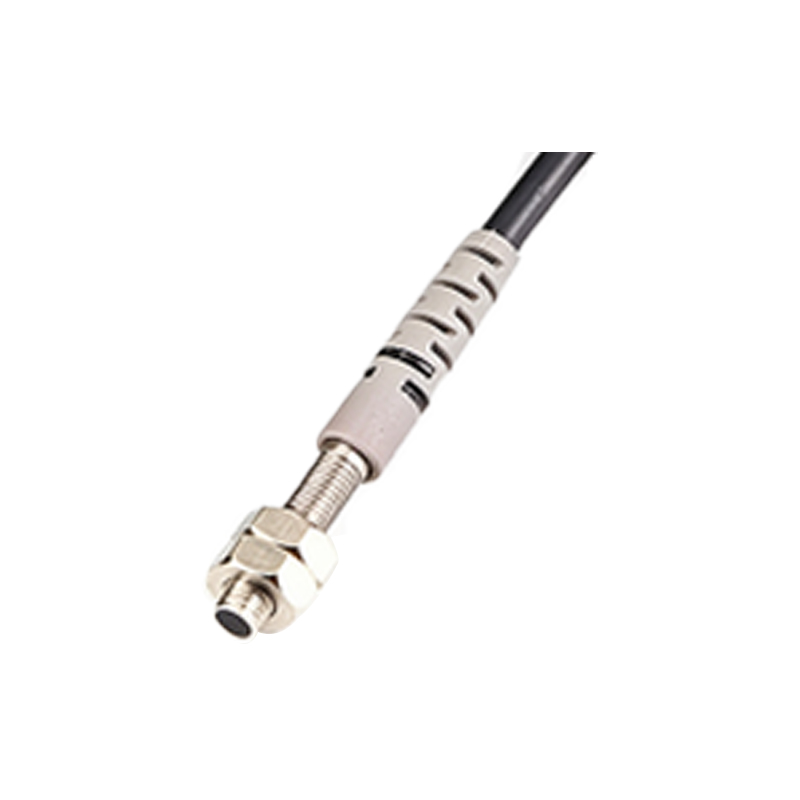
When selecting or designing shrouds for opposed-mode sensors, engineers must prioritize material durability. Stainless steel or reinforced polycarbonate is common for resistance to corrosion, impact, and temperature extremes (e.g., -40°C to 80°C). The shroud’s internal geometry should include light baffles—internal fins that block scattered light without restricting the primary beam. For dusty applications, a sealed shroud with IP67 or higher rating prevents ingress. Additionally, adjustable mounting feet allow fine-tuning of the emitter-receiver alignment. Without these features, sensors in automotive assembly or food processing plants may experience frequent downtime.
Common Problems Solved by Proper Shroud Implementation
Improper shrouding leads to three common failures: false triggering, detection blind spots, and sensor burn-out from heat. For example, in a steel mill, a sensor without a shroud might detect steam as an object, causing a conveyor jam. With a shroud lined with anti-reflective material, false positives drop by over 90%. In cleanrooms, shrouds with air-purge ports prevent particle accumulation on the sensor lens. For outdoor applications, such as automated gates, UV-stabilized shrouds prevent yellowing and cracking. Each scenario demands a tailored shroud design to match the environmental profile.
Best Practices for Installation and Maintenance
To maximize sensor lifespan, install shrouds with the alignment marks facing the emitter or receiver. Use lock washers on mounting bolts to resist vibration. During routine checks, inspect the shroud’s gaskets and seals for wear; even a tiny crack can lead to moisture ingress. For sensors in washdown areas, select shrouds with drain holes at the lowest point to avoid water pooling. Replace any shroud that shows discoloration, as this indicates UV degradation or chemical attack. Proper maintenance reduces false alarms and extends sensor replacement intervals by up to 30%.
Future Trends in Shroud Technology
The industry is moving toward smart shrouds with embedded sensors for predictive maintenance. For instance, some shrouds now include a window that changes color when lens contamination reaches a critical level. Others feature integrated heating elements to prevent frost in cold storage facilities. With the rise of Industry 4.0, shrouds with RFID tags enable automatic system configuration when sensors are swapped. These innovations ensure that the humble shroud remains a vital component in advanced automation systems, enhancing reliability without adding complexity.