Introduction to Through-Beam Photoelectric Sensors
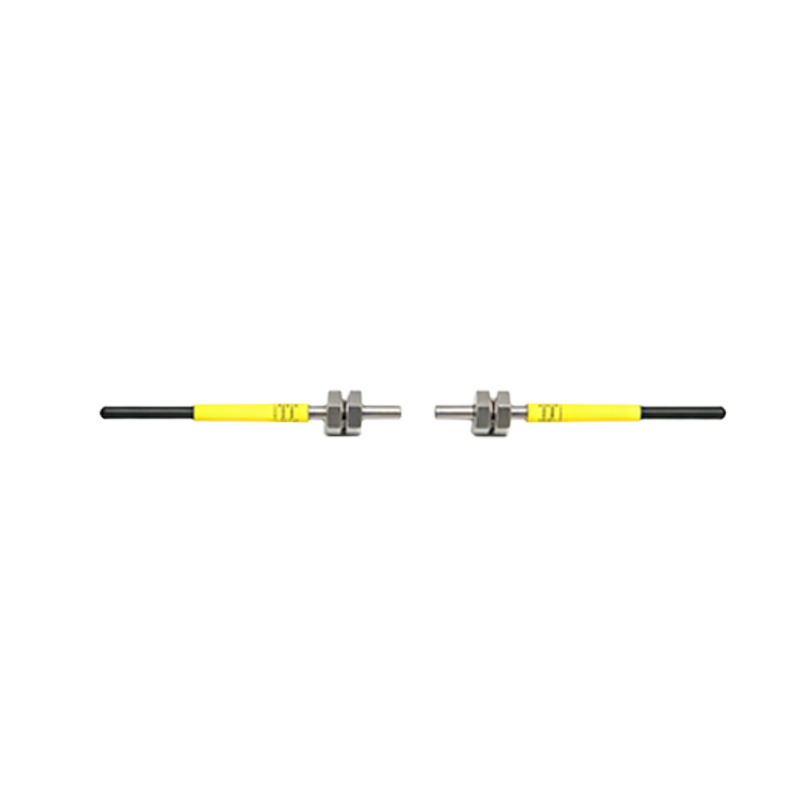
Through-beam photoelectric sensors, also known as opposed-mode sensors, consist of a separate emitter and receiver unit. These sensors are widely used in industrial automation for detecting objects without physical contact. The emitter sends a continuous beam of light, typically infrared or visible red, directly to the receiver. When an object interrupts the beam, the output signal changes, indicating detection. This design offers high reliability and long sensing ranges, making it ideal for harsh environments.
Key Operating Principles
The core principle involves the alignment of the emitter and receiver. The emitter generates a focused light beam, which the receiver continuously monitors. In clean conditions, the receiver maintains a constant signal. When an opaque object passes between them, the beam is blocked, causing the receiver to trigger a response. This method ensures precise detection regardless of the object’s surface color or reflectivity. The sensing range can extend up to several tens of meters, depending on the lens and light source.
Advantages in Industrial Settings
Through-beam sensors excel in applications requiring long distances, immunity to ambient light, and resistance to contamination. Unlike retro-reflective or diffuse sensors, they are not affected by shiny backgrounds or color variations. They perform reliably in dusty, wet, or smoky conditions because the receiver only relies on the direct beam. Additionally, they offer fast response times, often in microseconds, which is critical for high-speed production lines.
Common Applications
Typical uses include conveyor belt monitoring, automated door safety systems, and packaging machinery. In conveyor systems, they detect product presence or jams. For safety, they create light curtains to prevent access to dangerous areas. In logistic centers, they trigger sorting mechanisms. These sensors also function in outdoor environments for vehicle detection or barrier control.
Installation and Alignment Considerations
Proper installation is crucial. The emitter and receiver must be precisely aligned to ensure the beam reaches the receiver. Misalignment can cause false signals or reduced range. Use mounting brackets with adjustable angles for fine-tuning. Avoid obstructions like pipes or vibration that may shift the units. Regular cleaning of lenses prevents dust buildup. Many models include alignment indicators or diagnostic LEDs for easy setup.
Limitations and Troubleshooting
The main drawback is the need for two separate units, requiring wiring to both ends. This increases installation cost and complexity. In long-range applications, beam divergence can affect accuracy. Troubleshooting common issues includes checking power supply voltage, verifying alignment, and inspecting for broken cables. Replace faulty components promptly to maintain system uptime.
Future Trends and Technologies
Modern through-beam sensors now integrate with IoT systems for real-time data logging. Some models feature IO-Link communication, enabling parameter adjustments and diagnostics remotely. Advances in laser diodes extend ranges beyond 100 meters while maintaining compact sizes. These innovations enhance flexibility in smart factories and Industry 4.0 environments.
Conclusion
Through-beam photoelectric sensors remain a foundational technology in automation due to their reliability and simplicity. Despite requiring more installation effort, their performance in challenging conditions justifies the investment. For engineers seeking robust object detection solutions, these sensors offer unmatched accuracy and long-term value.