Understanding the Cost Drivers of Photoelectric Sensors
Photoelectric sensor switches are critical components in automation and industrial control systems, with prices varying significantly based on several technical and market factors. As an electrical engineer, I have observed that the sensing range, output type, and environmental protection rating are primary cost determinants. For instance, a basic diffuse-reflective sensor with a short range and NPN output may cost between $20 and $50, while a through-beam sensor with a 30-meter range and IP67 rating can exceed $200. The price also reflects the quality of the optics, such as lens material and light source type (LED vs. laser), which directly impact accuracy and reliability in harsh conditions like dust or moisture.
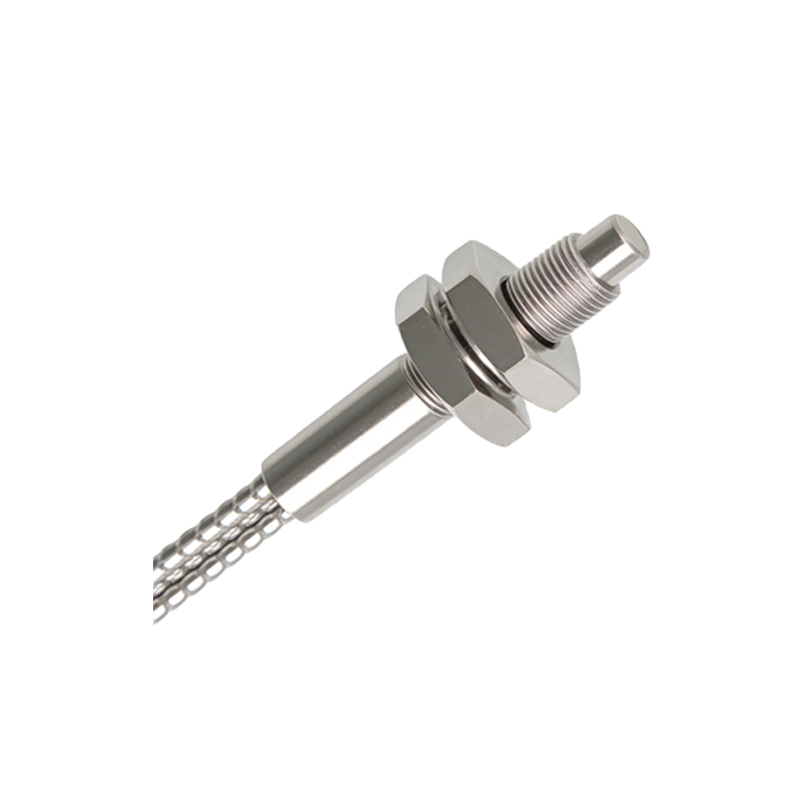
Technology Type and Its Impact on Pricing
Different sensing technologies—diffuse, retro-reflective, and through-beam—drive distinct price points. Through-beam sensors, offering the longest range and highest immunity to contamination, are typically the most expensive due to requiring separate emitter and receiver units. For example, a retro-reflective sensor with a built-in reflector costs less than a through-beam pair but more than a basic diffuse model. Additionally, advanced features like background suppression, analog output, or IO-Link communication add $30 to $100 to the base price, as they enable precision control and data integration in smart factories.
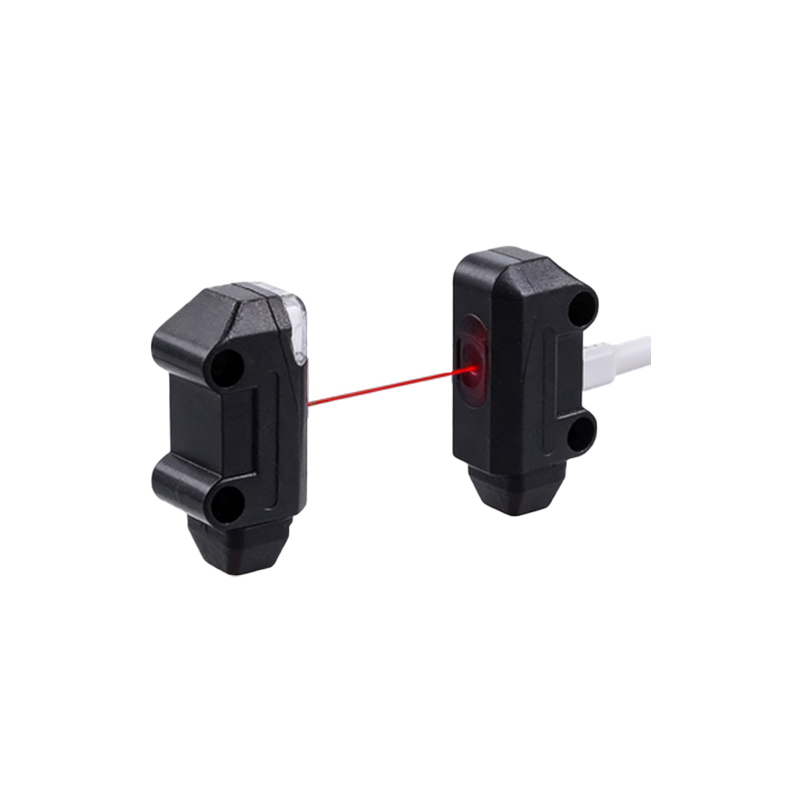
Brand, Quality, and Certification Influence
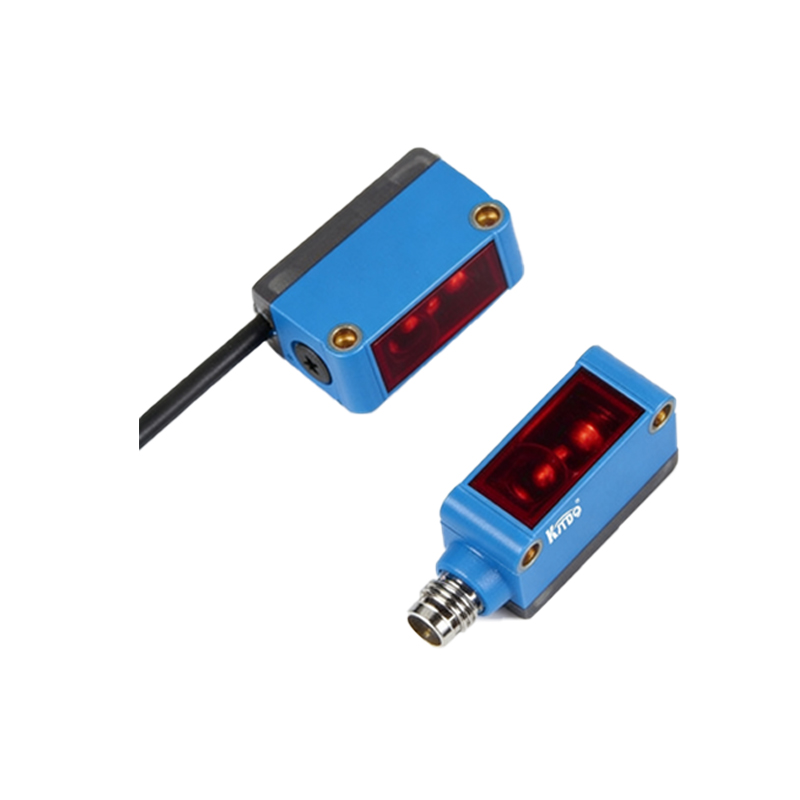
Established brands like Banner, Keyence, and Sick command higher prices, often 20-40% above generic alternatives, due to rigorous testing, longer warranties, and certifications such as CE, UL, or ATEX for hazardous environments. A certified ATEX photoelectric sensor can cost $150 to $500, whereas a non-certified equivalent may be $50 to $150. Engineers must balance budget constraints with reliability requirements; for critical applications in food processing or pharmaceutical lines, investing in premium sensors reduces downtime and maintenance costs.
Market Trends and Bulk Procurement Strategies
Current market trends show that sensor prices are influenced by raw material costs, such as copper for wiring and engineering plastics for housings, which have risen 10-15% in 2024 due to supply chain fluctuations. Bulk purchasing (50+ units) typically yields a 10-25% discount, while custom configurations (e.g., special cable lengths or connectors) add a 15-30% premium. For large-scale projects, engineers should request quotes from multiple suppliers and consider integrated solutions that bundle sensors with controllers, as this can reduce per-unit costs by up to 30%.
Practical Recommendations for Cost-Effective Selection
To optimize spending, define application requirements precisely: avoid over-specifying range or IP rating if the environment is clean and short-range. Use retro-reflective sensors as a cost-effective middle ground for most industrial tasks. Additionally, leverage online comparison tools and distributor databases to track real-time price fluctuations. For example, a standard M18 photoelectric sensor with a 4-meter range, NPN output, and IP65 rating can be sourced for $35-$60, offering a balance of performance and affordability for conveyor belt detection.