Proximity sensors are essential components in modern automation systems, enabling non-contact detection of objects within a specified range. These devices operate by emitting electromagnetic fields or beams and detecting changes caused by target objects. Understanding the classification of proximity sensors is crucial for selecting the right technology for industrial applications.
The primary categories of proximity sensors include inductive, capacitive, ultrasonic, photoelectric, and magnetic types. Inductive proximity sensors detect metallic objects using electromagnetic induction. They consist of a coil wound around a ferrite core, an oscillator, and a detection circuit. When a metal object enters the magnetic field generated by the coil, eddy currents form in the target, causing a change in oscillation amplitude. This change triggers the sensor's output switch. These sensors are ideal for detecting ferrous and non-ferrous metals in manufacturing environments, offering high reliability and resistance to environmental contaminants like dust and oil.
Capacitive proximity sensors can detect both metallic and non-metallic materials by measuring changes in capacitance. The sensor forms one plate of a capacitor, with the target object acting as the other plate. As the object approaches, the capacitance increases until it reaches a threshold that activates the output. This makes capacitive sensors suitable for detecting liquids, plastics, wood, and granular materials. They are commonly used in level detection, material handling, and food processing industries.
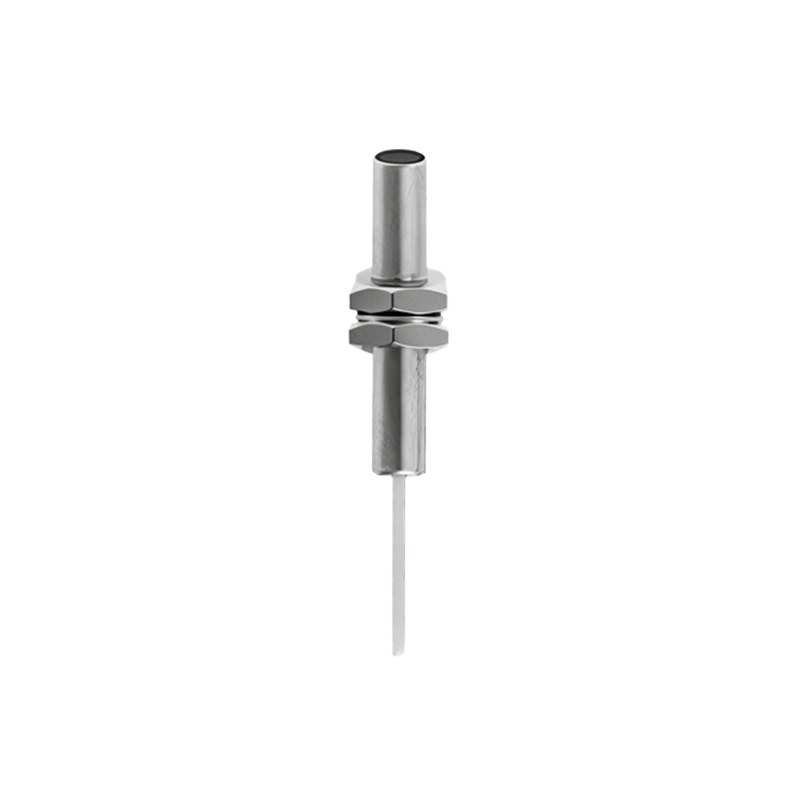
Ultrasonic proximity sensors use sound waves beyond human hearing to detect objects. They emit high-frequency pulses and measure the time taken for echoes to return. These sensors excel in detecting transparent or irregularly shaped objects that photoelectric sensors might miss. Applications include distance measurement, presence detection in harsh environments, and liquid level monitoring. Their performance can be affected by temperature variations and air turbulence.
Photoelectric proximity sensors employ light beams to detect objects. They consist of a light source (usually LED) and a receiver. When an object interrupts or reflects the light beam, the receiver detects the change and triggers the output. These sensors are classified into through-beam, retro-reflective, and diffuse reflection types. Through-beam sensors offer the longest detection ranges, while diffuse sensors are simpler to install. Photoelectric sensors are versatile but may struggle with transparent or highly reflective surfaces.
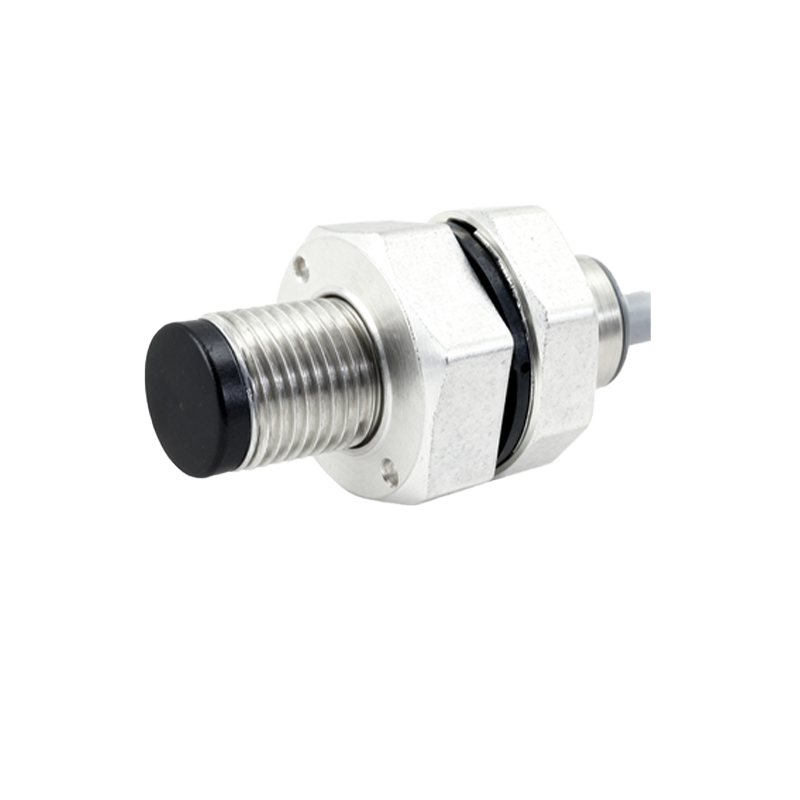
Magnetic proximity sensors detect permanent magnets using reed switches or Hall-effect elements. They are compact, cost-effective, and operate reliably in dirty or wet conditions. Typical applications include position sensing in cylinders, door closure detection, and security systems.
Selection criteria for proximity sensors include sensing range, target material, environmental conditions, output configuration, and mounting requirements. Inductive sensors are preferred for metal detection in tough industrial settings, while capacitive sensors handle diverse materials. Ultrasonic sensors work well in challenging environments, and photoelectric sensors offer flexibility for various object types. Magnetic sensors provide simple solutions for position detection.
Installation considerations involve proper alignment, avoiding mutual interference between multiple sensors, and accounting for temperature effects. Regular maintenance ensures consistent performance, including cleaning lenses for photoelectric sensors and checking for mechanical damage.
Advancements in proximity sensor technology include miniaturization, improved immunity to electrical noise, and integration with industrial networks like IO-Link. These developments enhance functionality, allowing for parameter adjustment and diagnostics via digital communication.
In summary, selecting the appropriate proximity sensor requires analyzing application needs against each technology's strengths. Inductive sensors dominate metal detection, capacitive sensors handle diverse materials, ultrasonic sensors manage difficult conditions, photoelectric sensors offer versatility, and magnetic sensors provide economical solutions. Proper selection ensures reliable operation, reduced downtime, and optimized automation system performance.