Overview of Omron E3 Series Photoelectric Sensors
The Omron E3 Series photoelectric sensors are a cornerstone in modern industrial automation, designed to deliver reliable object detection across a wide range of applications. These sensors utilize advanced optical technology to detect presence, position, and distance without physical contact, making them ideal for harsh environments. The E3 family includes various subtypes such as through-beam, retro-reflective, and diffuse reflective models, each tailored for specific detection needs. With robust construction and high immunity to ambient light interference, they ensure stable performance in manufacturing lines, packaging systems, and material handling equipment.
Key Features and Technical Specifications
The E3 series offers exceptional versatility with sensing distances ranging from a few centimeters to over 20 meters, depending on the model. Key features include IP67-rated enclosures for dust and water resistance, adjustable sensitivity via potentiometers or teach-in functions, and rapid response times as low as 1 ms. These sensors support multiple output configurations, including NPN, PNP, and analog outputs, ensuring compatibility with most PLCs and controllers. Additionally, they feature built-in LED indicators for easy status monitoring and diagnostic capabilities, reducing downtime in critical operations.
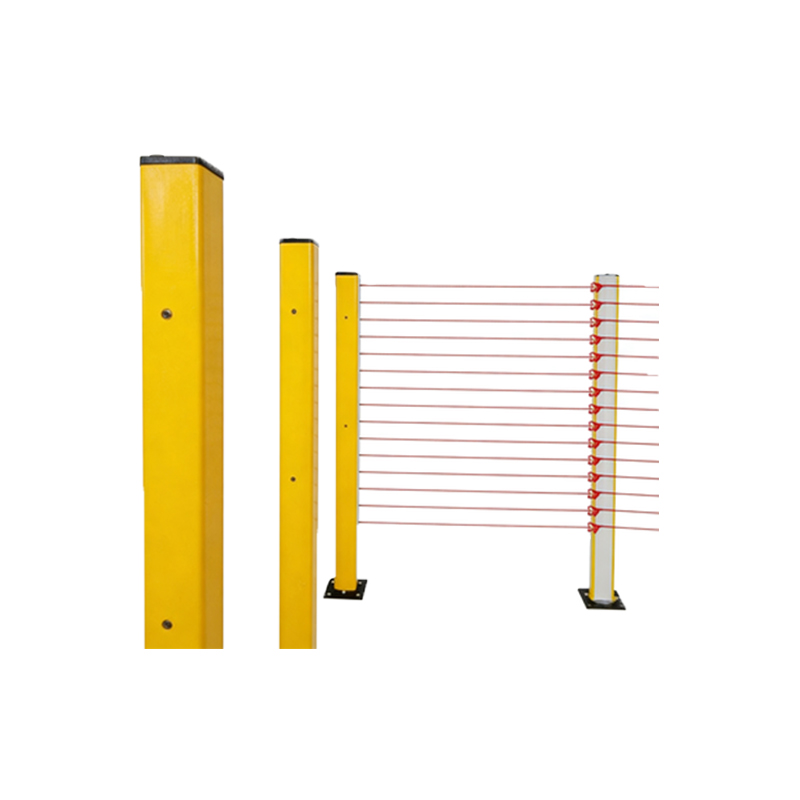
Application Examples in Industrial Environments
In automotive assembly lines, Omron E3 through-beam sensors detect small parts on conveyor belts with high precision, even in dusty conditions. In food and beverage packaging, retro-reflective models monitor bottle or carton presence without contamination risks. For warehouse automation, diffuse reflective sensors are used to detect pallets or boxes on storage racks, improving inventory tracking. The sensors also excel in harsh conditions such as washdown zones, thanks to their stainless steel housings and chemical-resistant lenses.
Installation and Configuration Best Practices
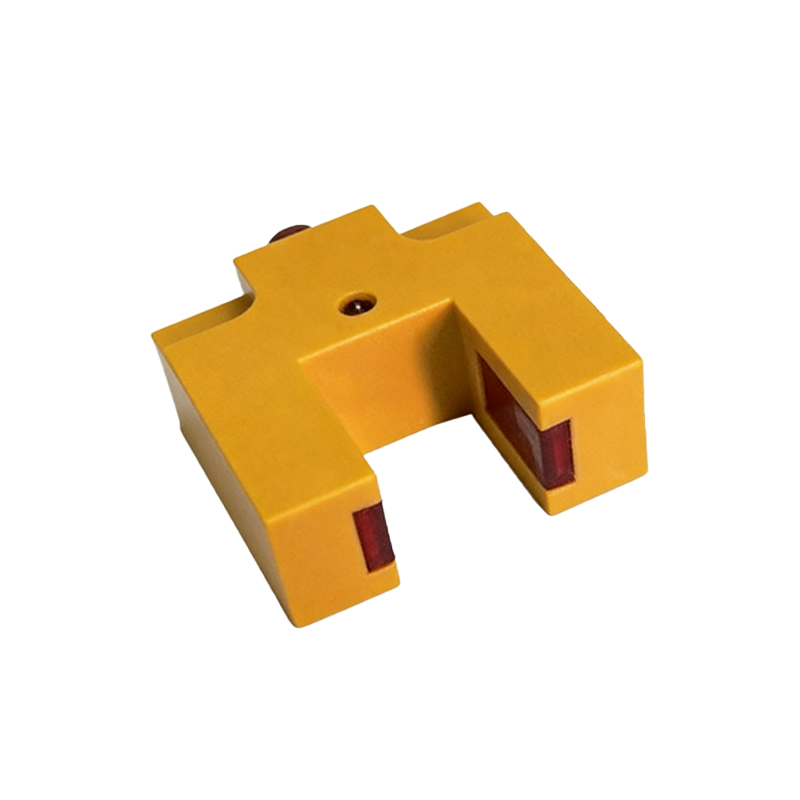
Proper installation is critical for optimal sensor performance. Mount the sensor using the included brackets to ensure alignment, especially for through-beam and retro-reflective types. For diffuse models, maintain a clear line of sight to the target object, avoiding reflective backgrounds. Configure sensitivity using the teach-in function for complex targets, or manually adjust via the potentiometer for standard applications. Always verify cable connections and use shielded cables to minimize electrical noise in high-EMI areas.
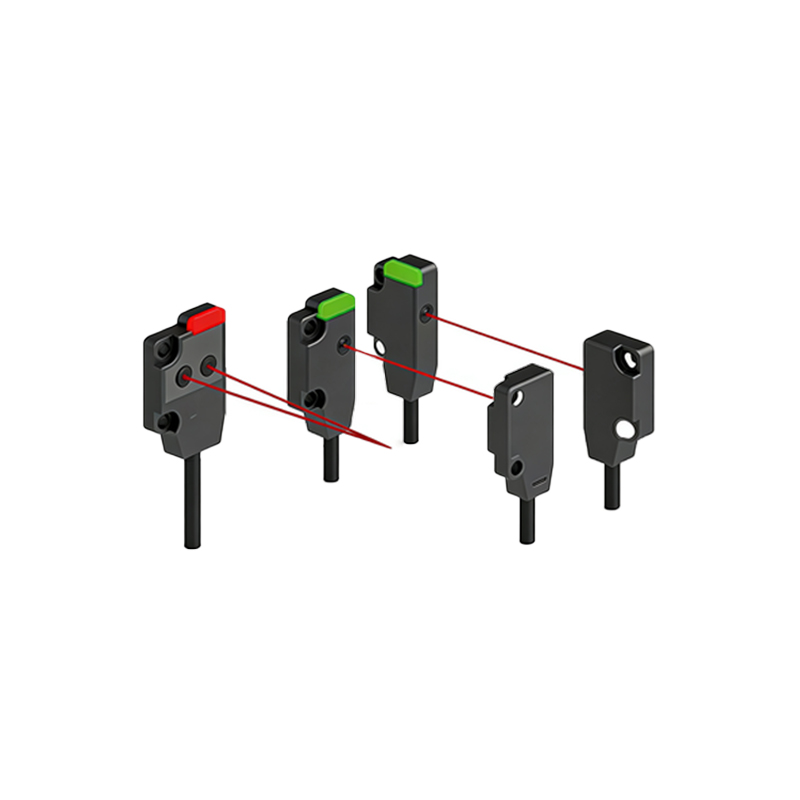
Maintenance and Troubleshooting Tips
Regular maintenance extends sensor lifespan. Clean the lens periodically with a soft cloth and avoid abrasive cleaners. Check for misalignment due to vibration or thermal expansion. Common issues like false triggers often stem from dust accumulation or target material changes, which can be resolved by recalibrating sensitivity. If the sensor fails to respond, inspect power supply voltage and output wiring. The diagnostic LED patterns provide quick fault identification, as outlined in the user manual.
Comparative Analysis with Competitor Products
Compared to other photoelectric sensor lines like Sick or Banner, the Omron E3 series offers a more cost-effective solution without sacrificing reliability. While competitors may provide longer sensing ranges, Omron excels in ease of setup and broad compatibility with existing automation systems. The E3’s compact design also allows for tighter integration in space-constrained applications. For users requiring high precision in moderate-range detection, the E3 series delivers an optimal balance of performance and value.
Conclusion and Recommendations for Engineers
For electrical engineers and automation specialists, the Omron E3 series represents a robust choice for non-contact sensing tasks. Its diverse model options, user-friendly configuration, and durability make it suitable for both light-duty and heavy industrial environments. Recommended applications include parts detection, conveyor monitoring, and quality control. Always select the correct model based on sensing distance, target characteristics, and environmental conditions. For further technical support, consult Omron’s online resources or local distributors.