2026-04-29
Tech Hub
By 创始人
How to Select and Apply Photoelectric Sensors for Lathe Machines in Industrial Automation
Introduction to Photoelectric Sensors in Lathe Applications
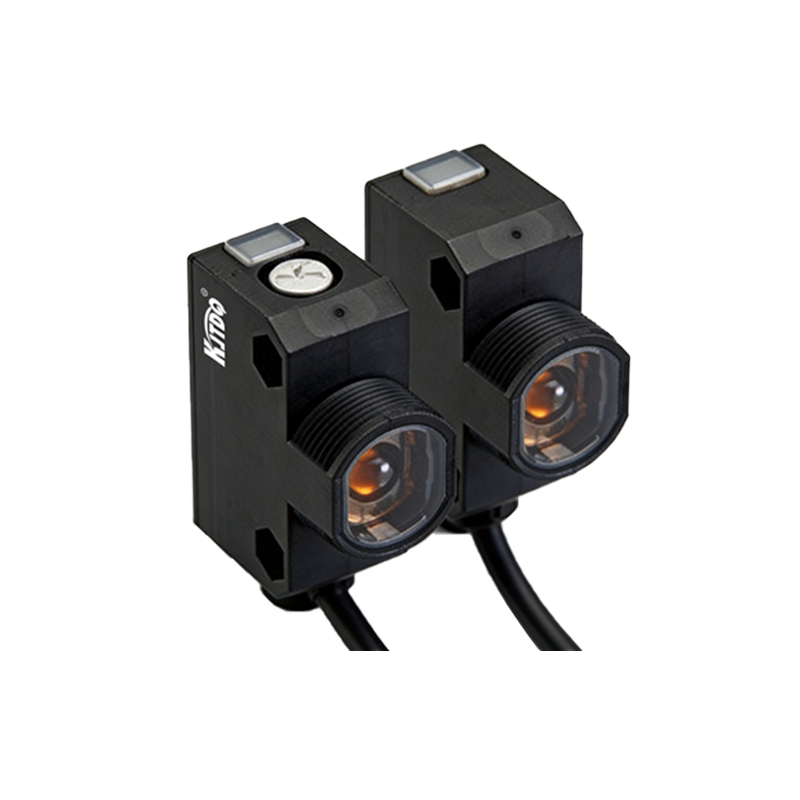
Photoelectric sensors are essential components in modern lathe machines, enabling precise detection of workpiece presence, tool positioning, and safety monitoring. In high-precision machining environments, these sensors use light beams to detect objects without physical contact, reducing wear and improving reliability. Common types include through-beam, retro-reflective, and diffuse sensors, each suited for specific lathe tasks such as part counting, spindle rotation monitoring, or chip flow detection.
Key Selection Criteria for Lathe-Mounted Photoelectric Sensors
When choosing a photoelectric sensor for a lathe, consider environmental factors like coolant exposure, metal chips, and vibration. Sensors with IP67 or higher ratings are recommended for oil and coolant resistance. For detecting small metal parts in confined spaces, diffuse sensors with background suppression offer high accuracy. For long-range detection, such as monitoring bar stock feed, through-beam sensors provide stable performance. Additionally, ensure the sensor’s response time matches the machine’s cycle speed, typically under 1 ms for high-speed lathes.
Installation Best Practices on CNC Lathes
Proper installation is critical to avoid false triggers and downtime. Mount sensors at least 50 mm away from chuck jaws to prevent interference from spinning parts. Use shielded cables to reduce electromagnetic interference from spindle drives. Align through-beam sensors with the lathe’s axis to prevent misalignment due to thermal expansion. For retro-reflective sensors, use polarized reflectors to avoid reflections from shiny metal surfaces. Regular cleaning of sensor lenses is necessary to maintain signal integrity in oily environments.
Common Applications: Part Presence and Tool Detection
In automatic lathes, photoelectric sensors verify part loading before machining starts. For example, a diffuse sensor can detect a workpiece’s leading edge to initiate the clamping sequence. During tool change operations, sensors confirm tool holder engagement to prevent collisions. For safety, light curtains are used to detect operator entry into the machining zone, triggering an emergency stop. These applications reduce scrap rates and enhance operator safety.
Troubleshooting and Maintenance Tips
Common issues include false triggering from coolant mist or metal chips. Adjust the sensor’s sensitivity threshold to ignore small debris. If using through-beam sensors, check for beam obstruction from accumulated oil residue. For retro-reflective sensors, ensure the reflector surface is clean and undamaged. Regularly inspect cable connections for wear from machine vibration. A preventive maintenance schedule, including lens cleaning every 500 operating hours, extends sensor life.
Conclusion: Enhancing Lathe Productivity with Photoelectric Sensors
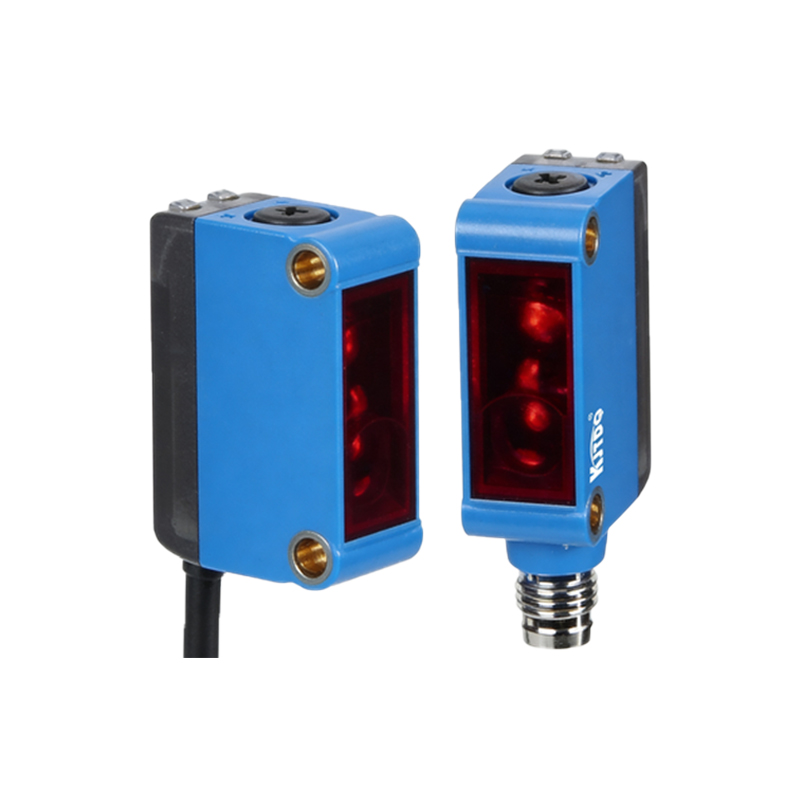
Integrating photoelectric sensors into lathe operations improves automation reliability and reduces manual intervention. By selecting the right sensor type, following installation guidelines, and performing routine maintenance, manufacturers can achieve higher throughput and consistent part quality. For advanced applications, consider sensors with IO-Link communication for real-time diagnostics and parameter adjustment.