Introduction to Photoelectric Sensors in Mexico
Photoelectric sensors are essential components in industrial automation, widely used in Mexicos manufacturing, logistics, and automotive sectors. These sensors detect the presence, absence, or distance of objects using light beams, typically infrared or visible light. In Mexico, where industries like aerospace and electronics are growing, reliable sensor performance under varying environmental conditions—such as humidity, dust, and temperature fluctuations—is critical. This guide provides a technical overview of photoelectric sensor types, their operational principles, and selection criteria for Mexican applications.
Types of Photoelectric Sensors: Through-Beam, Retro-Reflective, and Diffuse
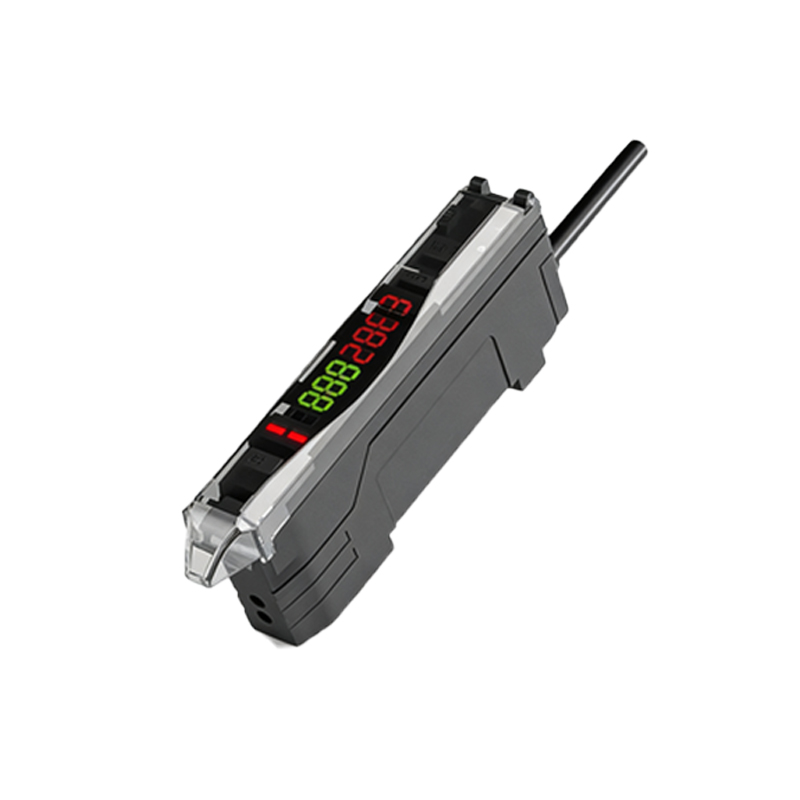
Through-beam sensors consist of a separate emitter and receiver, offering the longest detection range (up to 30 meters) and high accuracy, ideal for conveyor systems in Mexican assembly plants. Retro-reflective sensors use a reflector to bounce the beam back, simplifying wiring while maintaining a range of up to 10 meters, common in packaging lines. Diffuse sensors detect objects by reflecting light directly from the target, suitable for short-range (up to 2 meters) applications like bin level detection in warehouses. Each type has specific advantages: through-beam for dirty environments, retro-reflective for transparent objects, and diffuse for cost-sensitive installations.
Key Technical Specifications for Mexican Industrial Environments
When selecting photoelectric sensors for Mexico, consider operating voltage (typically 10-30 VDC), output type (PNP or NPN), and response time (under 1 ms for high-speed lines). IP67 or IP69K protection ratings are recommended for wet or washdown areas, such as food processing plants in Querétaro. Ambient light immunity (e.g., 10,000 lux) prevents false triggers from sunlight in open-air facilities. Temperature range from -25°C to +55°C ensures reliability in hot climates like Monterrey. Additionally, sensor housing materials—stainless steel or polycarbonate—resist corrosion in humid coastal regions like Veracruz.
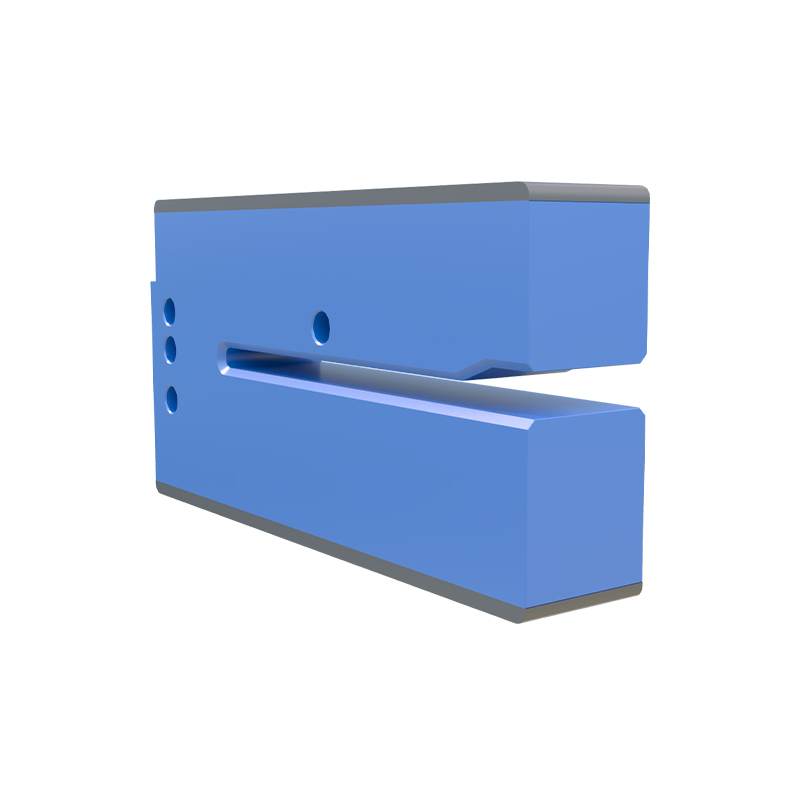
Wireless and IO-Link Integration for Smart Factories
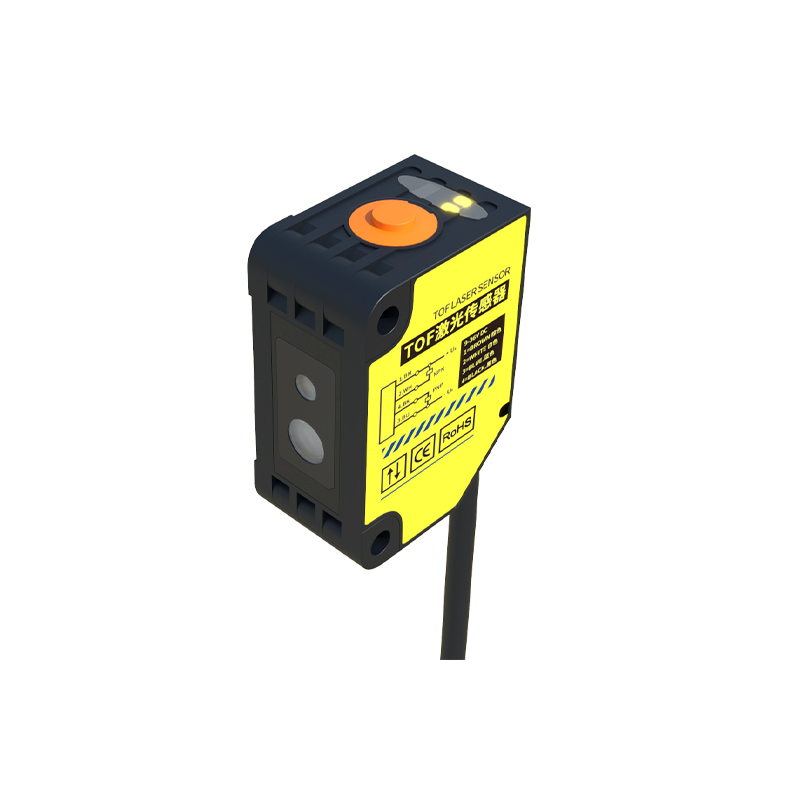
Modern photoelectric sensors in Mexico increasingly support IO-Link communication, enabling real-time data exchange with PLCs and predictive maintenance. This allows engineers to adjust sensitivity, output logic, and timing remotely via software, reducing downtime in high-mix production lines. Wireless variants, such as those using Bluetooth or Wi-Fi, facilitate sensor monitoring in hard-to-reach areas like overhead cranes in Mexico City warehouses. These features align with Industry 4.0 trends, improving operational efficiency and data analytics for quality control.
Application Examples in Mexican Manufacturing Sectors
In the automotive industry, photoelectric sensors detect part presence on assembly lines for torque converters in Puebla plants. In food and beverage, diffuse sensors ensure bottle cap alignment in Jalisco bottling facilities. For logistics, through-beam sensors monitor pallet positions in Tijuana distribution centers. Retro-reflective sensors are used in glass handling for flat panel displays in Baja California electronics factories. Each application demands specific sensor adjustments, such as background suppression for high-gloss surfaces.
Selection Criteria and Troubleshooting Tips
Choose sensors based on object color, size, and material; for example, dark objects require higher sensitivity or laser-based sensors. Ensure alignment accuracy in through-beam setups to avoid false triggers. For dusty environments, use lens cleaning systems or air purge attachments. Common issues in Mexico include electrical noise from nearby motors—solved with shielded cables—or moisture ingress, mitigated by conformal coating on circuit boards. Stock compatible spare parts from local distributors in Guadalajara or Monterrey to minimize downtime.
Conclusion: Optimizing Photoelectric Sensor Performance
Understanding photoelectric sensor types, specifications, and integration options is vital for maximizing productivity in Mexican industries. By selecting the appropriate sensor for each environment—whether through-beam for long-range or diffuse for cost-sensitive tasks—engineers can reduce maintenance costs and improve throughput. Stay updated with IO-Link and wireless trends to leverage data-driven insights for predictive maintenance, ensuring long-term reliability in Mexicos dynamic industrial landscape.