The Role of Photoelectric Sensors in Heart Rate Monitoring
Photoelectric sensors, particularly photoplethysmography (PPG) sensors, are the core technology behind modern optical heart rate monitors found in smartwatches, fitness trackers, and medical devices. These sensors operate by emitting light (typically green, red, or infrared) into the skin and measuring the amount of light absorbed or reflected by blood vessels. As the heart beats, blood volume changes in the microvascular bed, causing variations in light absorption. This signal is then processed using algorithms to calculate heart rate in real-time. For electrical engineers, understanding the sensor's wavelength selection is critical: green light (530-550 nm) is highly absorbed by hemoglobin and offers high signal-to-noise ratio during motion, making it ideal for fitness wearables, while infrared light (800-1000 nm) penetrates deeper and is used for medical-grade oxygen saturation measurements.
Key Design Parameters for Optimal Performance
To ensure accurate readings, engineers must optimize several parameters. First, light-emitting diode (LED) intensity and photodiode sensitivity must be balanced to avoid saturation or weak signals. Second, the sensor layout and shielding are crucial to prevent optical crosstalk between the emitter and detector. A common design employs a barrier or opaque material to direct light into the tissue rather than directly to the photodiode. Third, sampling rate and anti-aliasing filters in the analog front-end (AFE) circuit must be carefully chosen—typically 100-200 Hz for heart rate—to capture the pulsatile component while rejecting motion artifacts and ambient noise. For instance, the AFE includes a transimpedance amplifier and a notch filter to suppress 50/60 Hz power line interference.
Overcoming Motion Artifacts and Environmental Challenges
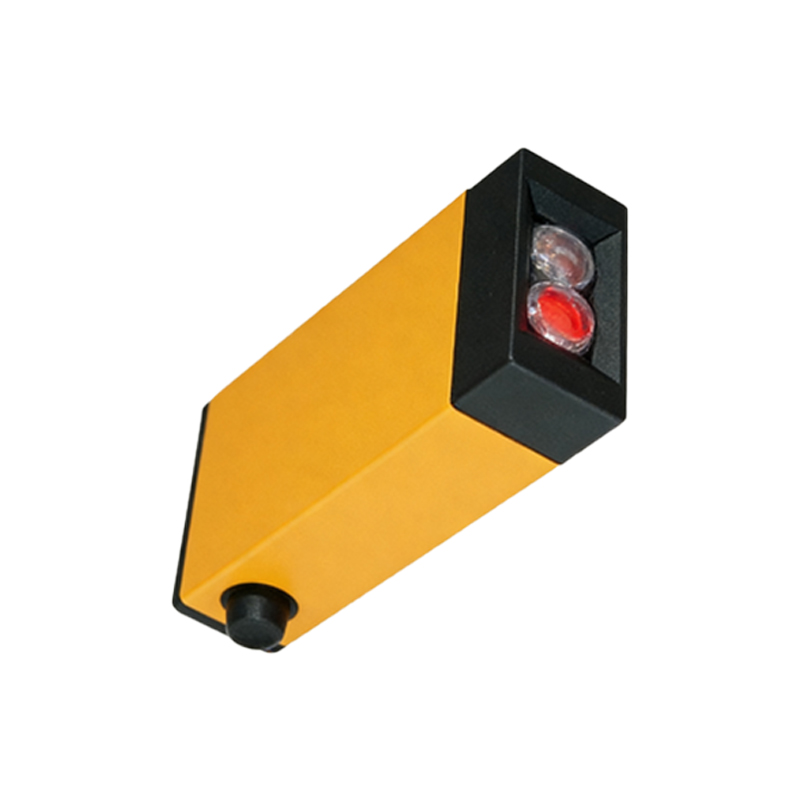
One of the biggest challenges in wearable heart rate monitors is motion artifact, caused by physical activities like running or walking. Engineers mitigate this through multiple strategies: accelerometer-based adaptive filtering, where motion data from a gyroscope or accelerometer is used to cancel out artifacts in the PPG signal; and differential or dual-wavelength sensing, which separates absorption changes due to tissue movement from those due to blood volume. Additionally, ambient light rejection circuits (e.g., synchronous detection or chopping techniques) help maintain accuracy under varying sunlight or artificial light conditions. For industrial applications, such as in medical monitors, these sensors are often encapsulated in robust housings with IP67 ratings to withstand moisture and dust.
Emerging Trends and Future Directions
The field is rapidly evolving. Recent advancements include miniaturized multi-wavelength sensors that can simultaneously measure heart rate, SpO2, and even hydration levels. Engineers are also integrating photoelectric sensors with machine learning on edge devices to improve real-time artifact rejection and personalize calibration for different skin tones and perfusion levels. For example, algorithms now use deep neural networks to learn noise patterns from millions of data points. Furthermore, low-power photoelectric sensors employing pulsed LEDs and duty-cycled operation are extending battery life in wearables beyond one week. As the demand for non-invasive health monitoring grows, photoelectric sensors will continue to see innovation in spectral range, sensor fusion, and wireless connectivity for IoT-based healthcare ecosystems.