Housing and Enclosure
The outer casing of a photoelectric sensor is typically made from durable materials such as ABS plastic, stainless steel, or aluminum. It protects internal components from dust, moisture, and mechanical impact, ensuring reliable operation in industrial environments. IP ratings like IP67 indicate resistance to water and debris.
Emitter (Light Source)
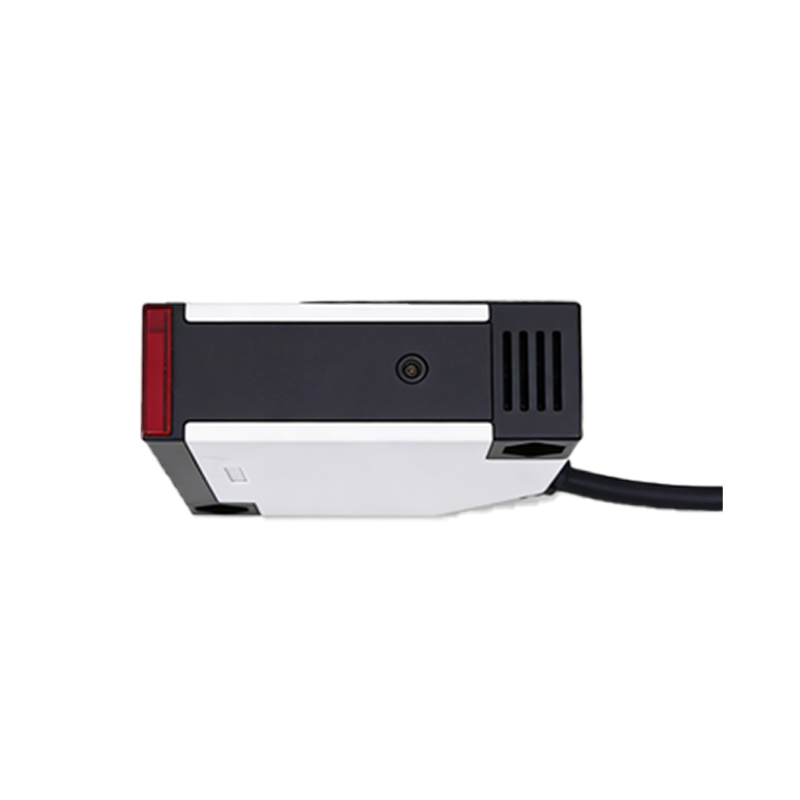
The emitter generates the light beam essential for detection. Common light sources include infrared diodes, red LEDs, or laser diodes. Laser emitters provide longer range and higher precision, while LEDs are more cost-effective for general-purpose tasks. The emitter’s wavelength and intensity are tailored for specific applications.
Receiver (Photodetector)
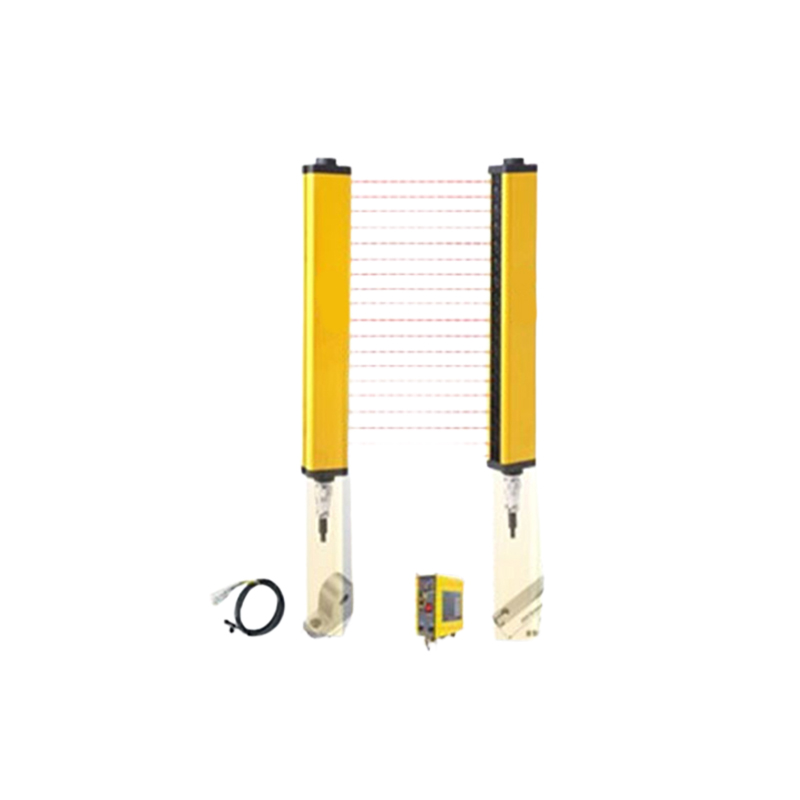
The receiver is a photodiode, phototransistor, or photoelectric cell that captures the light signal from the emitter. It converts light intensity into an electrical signal. Adjustments to sensitivity enable detection of transparent, reflective, or dark objects.
Lens and Optical System
Lenses focus and direct the emitted light beam. Convex lenses increase range; cylindrical lenses shape the beam for precise positioning. Anti-reflection coatings improve efficiency, while filters block ambient interference. Optical fibers may be used for remote sensing.
Circuitry and Signal Processing
The internal PCB contains amplifiers, comparators, and microcontrollers. Amplifiers boost weak signals from the receiver, while comparators set threshold levels. Advanced sensors include digital processors for noise filtering, hysteresis control, and logic decisions (e.g., PNP/NPN output).
Output Interface
Outputs include discrete (digital) signals like NPN or PNP transistor switches, or analog outputs (0-10V, 4-20mA). Some sensors feature IO-Link communication for data exchange. The output stage triggers relays, PLCs, or alarms based on detection events.
Adjustment and Indication Elements
Potentiometers or push-buttons allow manual setting of sensitivity and light/dark operation. LED indicators provide visual feedback: green for power, yellow for detection, red for fault. Some models include digital displays or remote programming via cable.