Introduction to the MOC70T4 Slotted Optical Switch
The MOC70T4 is a high-performance slotted optical sensor designed for precise detection in automation, robotics, and industrial control systems. This through-beam sensor consists of an infrared LED and a phototransistor housed in a compact, rugged package. Its slot width of 3mm and high sensitivity make it ideal for applications such as object presence detection, position sensing, and speed measurement in harsh environments. The device operates reliably across a wide temperature range, ensuring consistent performance in industrial settings.
Key Specifications and Electrical Characteristics
The MOC70T4 features a typical forward voltage of 1.2V for the LED and a collector-emitter voltage of up to 30V for the phototransistor. Its maximum collector current is 20mA, with a rise and fall time of only 15 microseconds, enabling fast response in high-speed machinery. The sensor operates with a slot width of 3mm and a gap depth of 4.2mm, providing reliable detection for opaque or translucent objects. The device is compatible with standard logic levels and can be easily integrated into microcontroller-based systems.
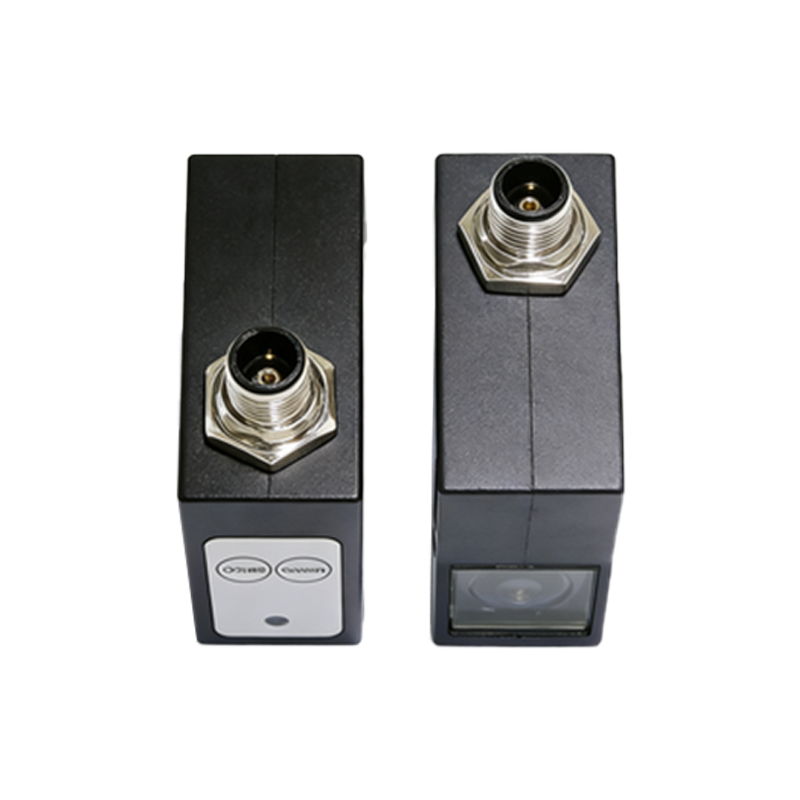
Typical Applications in Industrial Automation
In manufacturing lines, the MOC70T4 is commonly used for counting products on conveyor belts, detecting component presence in assembly machines, and sensing end-stop positions in robotic arms. Its compact size allows for installation in tight spaces, such as inside pick-and-place machines or packaging equipment. The sensor's ability to detect objects as small as 0.5mm in diameter makes it suitable for precision tasks like label alignment or paper feed control in printers.
Installation and Wiring Guidelines
Proper installation ensures optimal performance. The MOC70T4 should be mounted with the slot aligned to the object's path, avoiding direct sunlight or strong ambient light that could cause false triggering. Wiring requires a current-limiting resistor for the LED (typically 100-220 ohms for 5V supply) and a pull-up resistor for the phototransistor output. Use shielded cables with a ground plane to minimize electrical noise in industrial environments. The sensor's output can be directly connected to PLCs, microcontrollers, or relay modules.
Practical Considerations for Reliable Operation
To maintain accuracy, keep the slot window clean of dust, oil, or debris using a lint-free cloth and isopropyl alcohol. In environments with high vibration, secure the sensor with additional mounting brackets. For high-speed applications, the MOC70T4's response time of 15 microseconds allows detection of objects moving at up to 10 meters per second, but ensure the object's size exceeds the slot width for reliable blocking. Temperature extremes beyond -25°C to +85°C may alter performance, so use thermal shielding if necessary.
Troubleshooting Common Issues
If the sensor fails to detect, first check for proper voltage at the LED (typically 1.2V forward drop) and phototransistor output. A multimeter can verify continuity and signal levels. False triggering often results from ambient light interference—use a collimating tube or shield to block stray light. Slow response may indicate capacitor aging or excessive wire capacitance; replace the sensor if performance degrades. For intermittent faults, inspect connectors for corrosion or loose contacts.
Comparison with Other Slotted Sensors
Compared to the H21A1 or EE-SX1041, the MOC70T4 offers faster switching speeds and higher sensitivity, making it better suited for high-speed automation. However, its smaller slot width limits its use to smaller objects. For larger gaps, consider the MOC70T3 or similar models with 5mm slots. The MOC70T4's phototransistor output provides better noise immunity than photologic outputs in extreme conditions, at the cost of needing external circuitry.
Conclusion and Best Practices
The MOC70T4 slotted optical switch is a versatile and reliable component for industrial sensing tasks. For best results, always select an appropriate resistor value based on supply voltage, use consistent power filtering, and implement regular maintenance schedules. With proper design and integration, this sensor can enhance efficiency and accuracy in automated systems, from simple counters to complex robotic guidance.