Introduction to Photoelectric Sensors
Photoelectric sensors are essential components in industrial automation, using light to detect the presence, absence, or distance of objects. They operate by emitting a beam of light, typically infrared or visible, and analyzing the reflection or interruption of that beam. These sensors offer non-contact detection, making them ideal for fragile, sensitive, or moving targets. With high precision and fast response times, they are widely used in manufacturing lines, packaging systems, and material handling. Their reliability in harsh environments, such as dusty or wet conditions, enhances operational uptime.
Basic Principles of Proximity Sensors
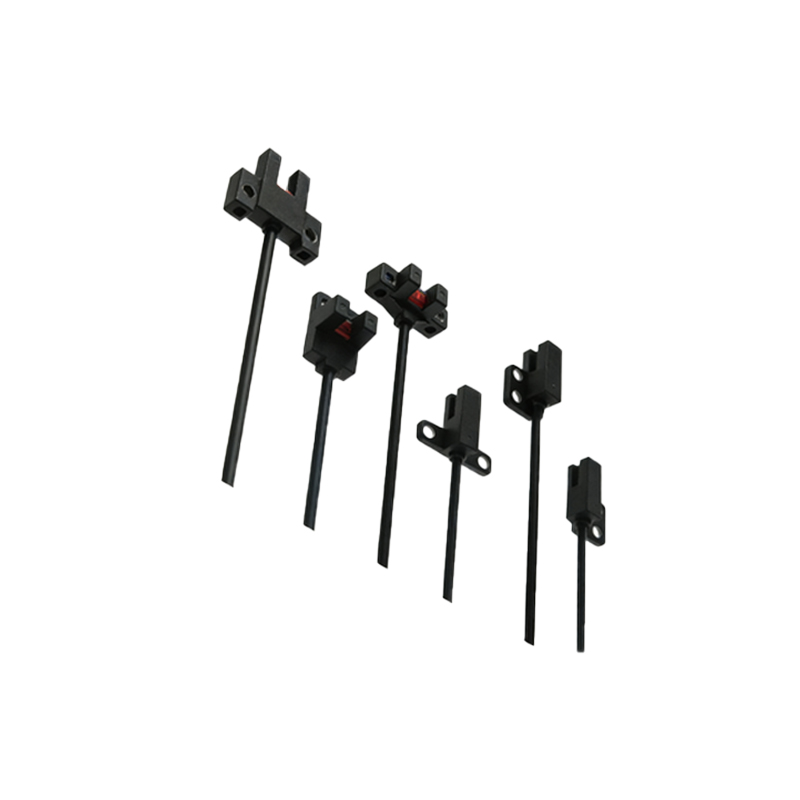
Proximity sensors, including photoelectric types, detect objects without physical contact. Photoelectric proximity sensors rely on light beams to sense nearby objects. When the emitted light hits a target, it reflects back to the receiver, triggering a signal. There are three main modes: through-beam, retro-reflective, and diffuse reflective. Through-beam sensors use separate emitter and receiver for maximum range. Retro-reflective sensors use a reflector to bounce light back. Diffuse sensors rely on the object itself to reflect light, ideal for short-range applications. Each mode suits specific industrial needs.
Key Applications in Automation
In modern automation, photoelectric sensors play a critical role in object detection, counting, and positioning. For example, in conveyor systems, they detect product flow and prevent jams. In packaging, they ensure correct label placement. In robotics, they provide feedback for precise movements. Proximity sensors excel in harsh conditions, such as detecting metal parts in oily environments. They are also used in safety systems to stop machinery when an object enters a forbidden zone. Their versatility makes them indispensable in industries like automotive, food processing, and logistics.
Selection Criteria for Engineers
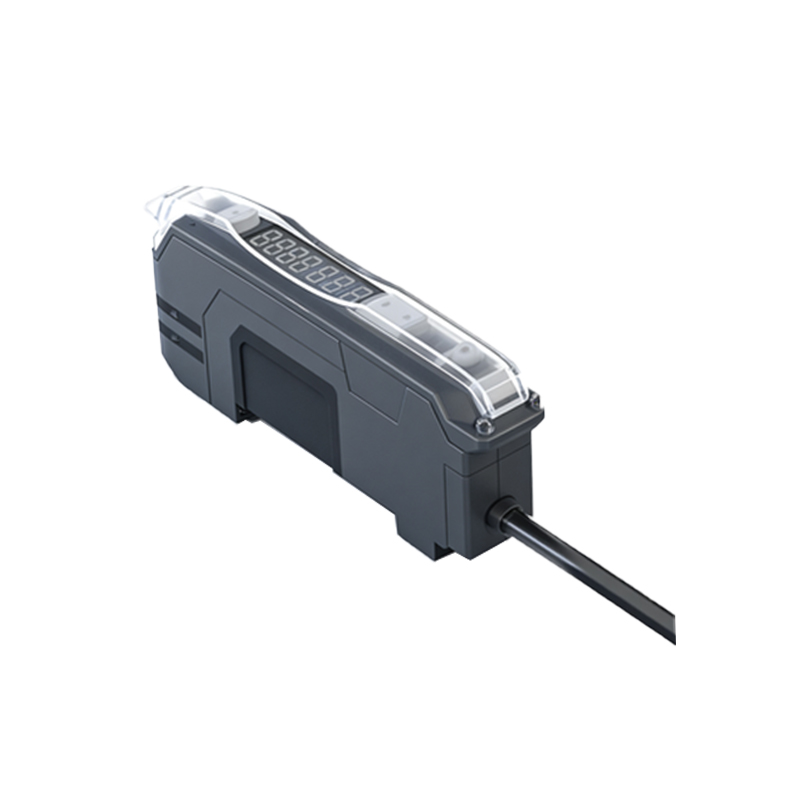
Choosing the right photoelectric sensor requires considering factors like sensing range, ambient light, and target material. For long distances, through-beam sensors are best. Retro-reflective sensors handle transparent objects well. Diffuse sensors work for irregular surfaces. Engineers must also evaluate environmental factors like dust, humidity, and temperature. Output type (PNP, NPN, or analog) and response time affect system integration. Proper selection improves efficiency and reduces false triggers. Always consult datasheets and test in real conditions.
Troubleshooting Common Issues
Common issues include false triggers due to stray light or dirty lenses. Ensure sensors are aligned correctly and lenses are cleaned regularly. Interference from other sensors can be minimized by using different light frequencies or shielding. For through-beam sensors, check for obstruction between emitter and receiver. Retro-reflective sensors may fail if the reflector is damaged. Adjust sensitivity settings to match target size and material. Regular maintenance and calibration extend sensor life and maintain accuracy.
Future Trends in Sensor Technology
Advancements include smart sensors with IO-Link communication for real-time diagnostics and remote configuration. Miniaturization allows integration into compact devices. Enhanced immunity to ambient light and improved algorithms reduce false signals. Photoelectric sensors are also becoming more energy-efficient, supporting green manufacturing. Emerging applications in autonomous vehicles and IoT systems drive innovation. Engineers should stay updated on these trends to leverage next-gen automation capabilities.