In industrial automation and electronic control systems, proximity sensors play a critical role in detecting the presence or absence of objects without physical contact. However, as systems scale up, engineers often face challenges when multiple sensors need to operate simultaneously within a single circuit. One effective approach to address these challenges is the parallel connection of proximity sensors. This method not only optimizes system performance but also enhances reliability and simplifies wiring configurations.
Parallel connection involves linking multiple proximity sensors to a common power supply and load, allowing them to function independently while sharing electrical resources. This setup is particularly useful in applications requiring extensive coverage, such as conveyor belt monitoring, robotic assembly lines, or safety barrier systems. By connecting sensors in parallel, the system can maintain operation even if one sensor fails, thereby reducing downtime and improving overall efficiency.
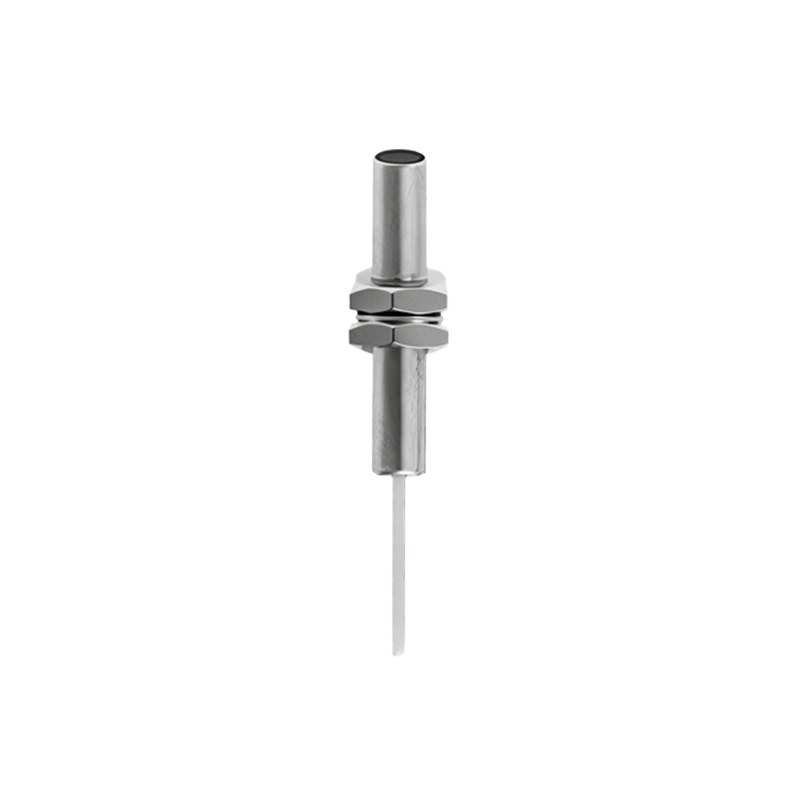
When implementing parallel connections, several technical considerations must be addressed. First, ensure compatibility between sensor types—whether inductive, capacitive, or photoelectric—as mixing incompatible sensors may lead to signal interference or voltage drops. Second, calculate the total current draw to prevent overloading the power supply. Each sensor adds to the cumulative current; exceeding the supply’s capacity can cause malfunctions or damage. Using a power supply with adequate headroom, typically 20–30% above the calculated demand, is recommended for stability.
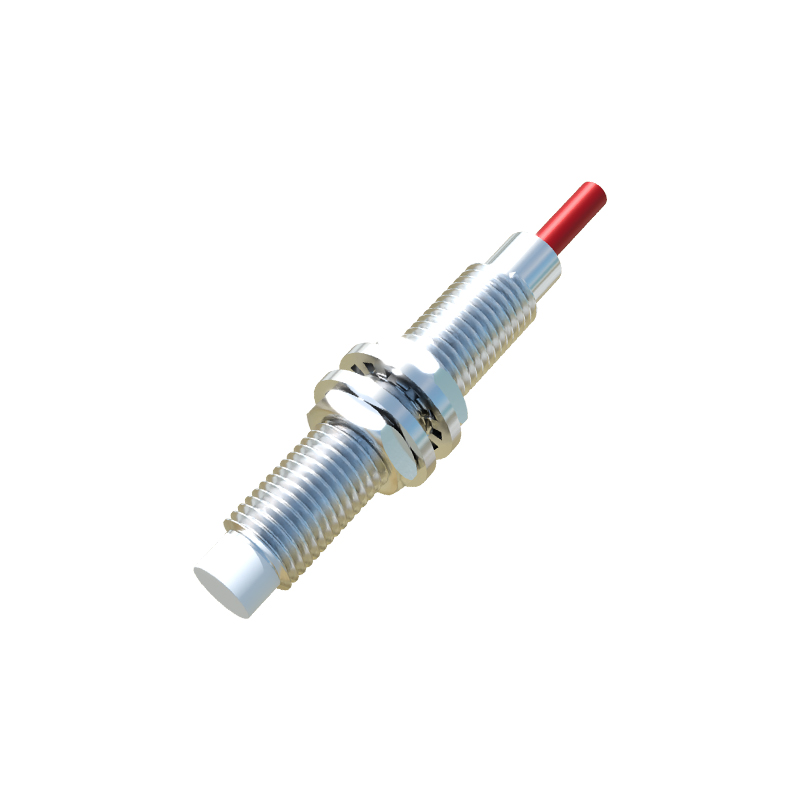
Wiring configuration is another key aspect. In a parallel setup, all positive terminals connect to a common positive line, and all negative terminals to a common negative line. This creates independent pathways for each sensor, minimizing cross-talk. For digital sensors with output signals (e.g., NPN or PNP types), parallel connections may require additional components like diodes or relays to isolate outputs and prevent backflow currents. For instance, placing a diode in series with each sensor’s output can block reverse current, ensuring clean signal transmission to the controller.
Environmental factors also influence parallel sensor performance. In high-vibration or electrically noisy settings, shielded cables and proper grounding are essential to prevent false triggers. Additionally, sensors should be spaced adequately to avoid mutual interference, especially when using inductive models that generate electromagnetic fields. Regular maintenance, including calibration checks and cleaning of sensing surfaces, helps sustain accuracy in parallel configurations.
Case studies demonstrate the practicality of this approach. In an automotive manufacturing plant, parallel-connected inductive proximity sensors monitor parts on a fast-moving assembly line. By wiring ten sensors in parallel to a single programmable logic controller (PLC), the plant reduced wiring complexity by 60% and cut installation time by half. The system’s fail-safe design ensured that a single sensor failure did not halt production, aligning with lean manufacturing principles.
Another example involves warehouse automation, where photoelectric sensors are paralleled to detect packages on sorting conveyors. Here, parallel connections enabled scalable zone coverage, allowing operators to add or remove sensors without redesigning the entire circuit. This flexibility supported seasonal demand fluctuations, showcasing how parallel solutions adapt to dynamic operational needs.
Despite its advantages, parallel connection has limitations. It may not suit applications requiring precise sequential logic, as parallel sensors operate independently without inherent synchronization. In such cases, supplementary controllers or timers might be necessary. Moreover, troubleshooting can be more complex than with series circuits, as faults in one sensor may not immediately affect others. Using sensors with diagnostic indicators, such as LED status lights, simplifies identification of issues.
Future trends in sensor technology, like IoT-enabled smart sensors, could further enhance parallel systems. These sensors can communicate data over networks, allowing real-time monitoring and predictive maintenance. Integrating such advancements with parallel wiring may lead to smarter, self-optimizing industrial environments.
In summary, parallel connection of proximity sensors offers a robust solution for expanding detection capabilities in modern systems. By carefully addressing power management, wiring, and environmental factors, engineers can leverage this method to build resilient and efficient automation setups. As industries continue to evolve, adopting flexible sensor configurations will remain key to achieving operational excellence.