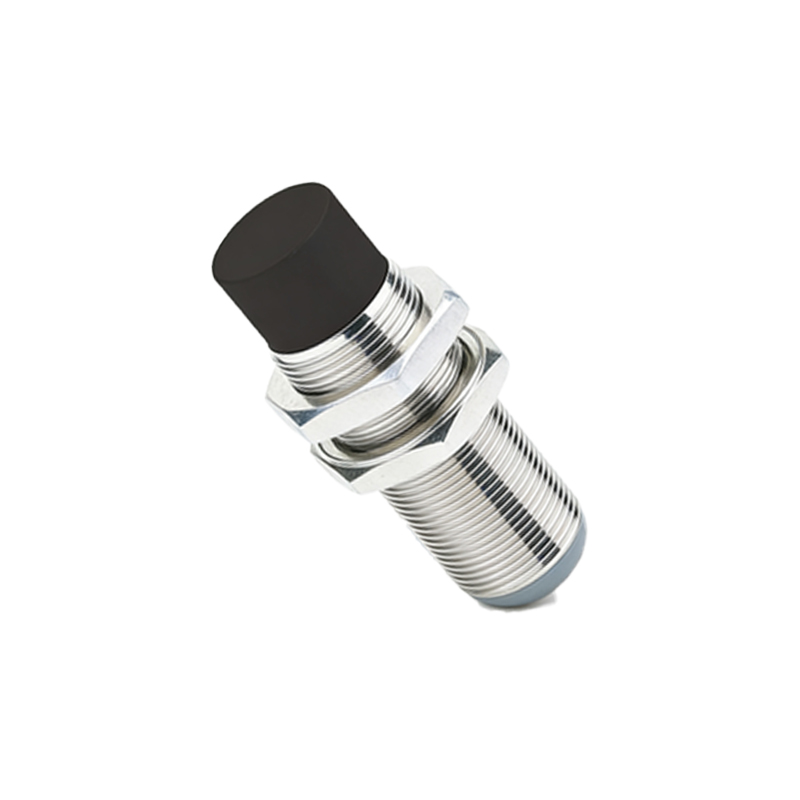
Proximity sensors, the unsung heroes of automation and smart technology, have quietly revolutionized how devices interact with the physical world without physical contact. By detecting the presence or absence of nearby objects, these sensors enable a myriad of applications that enhance safety, efficiency, and user experience. Their operation is based on various principles, including electromagnetic fields, infrared light, and ultrasonic sound waves, each suited to specific environments and requirements.
One of the most ubiquitous applications is in the smartphone industry. The small proximity sensor nestled near the earpiece of a mobile phone is a prime example. During a phone call, this sensor detects when the device is held close to the user's face. It subsequently signals the operating system to turn off the touchscreen display. This simple function prevents accidental cheek-presses from muting the call or launching apps, while also conserving battery power. This seamless interaction is a fundamental part of the modern user experience.
The automotive sector heavily relies on proximity sensing for both safety and convenience. Modern vehicles are equipped with ultrasonic sensors embedded in bumpers to facilitate parking assistance systems. These sensors emit high-frequency sound waves and measure the time it takes for the echo to return, calculating the distance to obstacles. Audible beeps that increase in frequency as the vehicle gets closer provide the driver with intuitive spatial awareness, preventing minor collisions. Furthermore, advanced systems use this data to automatically apply the brakes if an imminent collision is detected while parking.
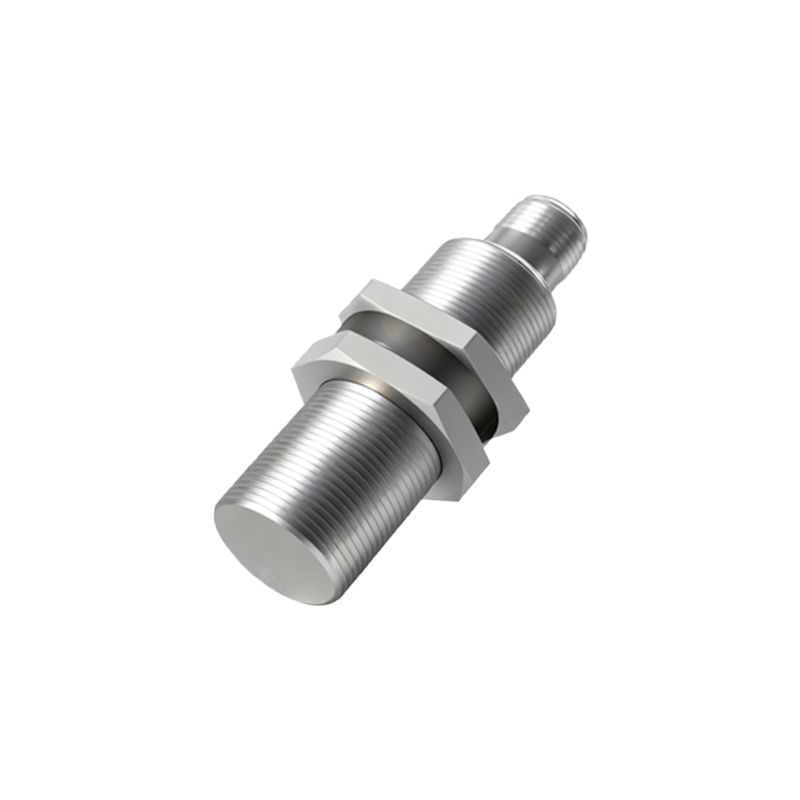
On a larger industrial scale, proximity sensors are critical for automation and precise control in manufacturing. Inductive proximity sensors, which detect metallic objects, are extensively used on assembly lines to count products, confirm the position of machine parts, or trigger the next stage in a robotic process. For instance, in bottling plants, a sensor can verify that a bottle is correctly positioned before the filling nozzle descends, ensuring accuracy and preventing costly spills and machine jams. This non-contact detection is essential for maintaining high-speed operations and equipment longevity.
In the realm of home appliances and consumer electronics, these sensors contribute to energy efficiency and intuitive operation. Automatic faucets and soap dispensers in public restrooms use infrared proximity sensors to detect hands, promoting hygiene and reducing water waste. Similarly, modern paper towel dispensers activate only when a hand is present. In homes, sensor-activated trash can lids and touchless kitchen faucets offer convenience. Some advanced lighting systems employ occupancy sensors, which are a form of proximity detection, to turn lights on when someone enters a room and off when the space is vacant, leading to significant energy savings.
Security systems represent another vital application area. Motion detectors for burglar alarms often use passive infrared (PIR) sensors to detect the heat signature and movement of an intruder within a protected zone. Access control systems, such as those on secure doors, may use capacitive proximity sensors. These sensors can detect a human body through non-metallic materials like wood or glass, allowing for hidden trigger points or touchless activation mechanisms that enhance security aesthetics and reliability.

Even the retail and advertising industries have adopted this technology. Interactive digital kiosks and display windows often incorporate proximity sensors to detect when a potential customer is nearby. This detection can trigger the screen to switch from a passive loop to an engaging, interactive mode, playing a specific advertisement or inviting the user to explore a product catalog. This creates a dynamic and memorable customer engagement opportunity.
Looking forward, the integration of proximity sensors with the Internet of Things (IoT) and artificial intelligence is unlocking even more sophisticated applications. In smart cities, sensors can monitor parking space occupancy. In agriculture, they can guide autonomous tractors. In healthcare, they enable touchless interfaces for sterile environments. The core principle remains elegantly simple: enabling a machine to "sense" its immediate surroundings. From preventing a dropped call to guiding a multi-ton vehicle, the practical examples of proximity sensors underscore their indispensable role in building a more responsive, efficient, and intelligent world. Their continued evolution promises to further blur the line between the digital and physical realms.