Introduction to Photon Precision Photoelectric Sensors
Photon precision photoelectric sensors are critical components in modern industrial automation systems, offering high-speed detection and accurate measurement capabilities. Unlike conventional sensors, these devices utilize advanced photonic technologies to detect objects with minimal interference from environmental factors such as dust, ambient light, or vibration. Their design emphasizes reliability and precision, making them ideal for applications in manufacturing, robotics, and quality control.
Key Technical Specifications
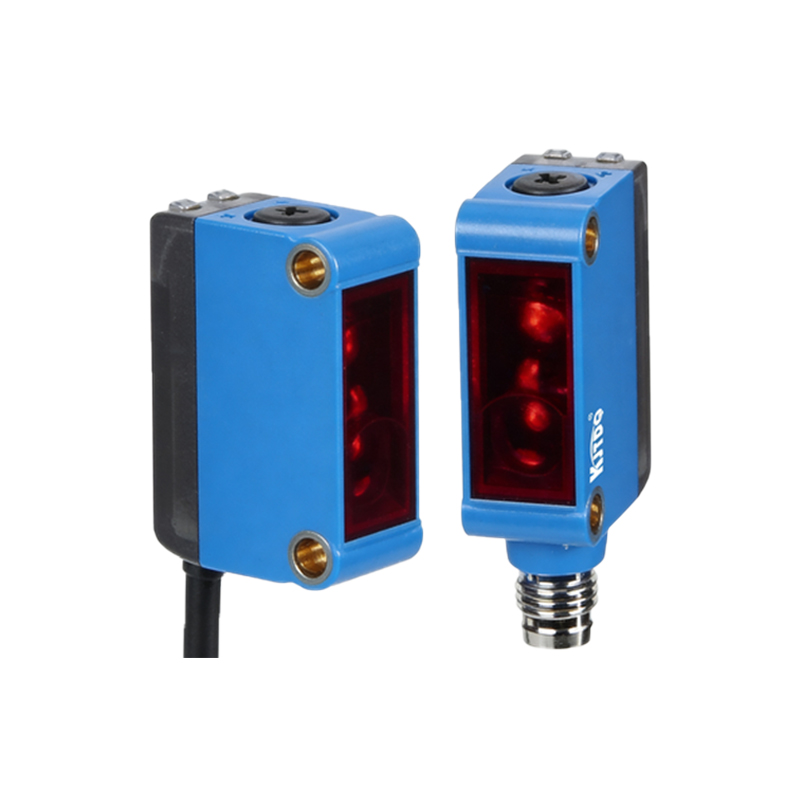
Photon precision sensors operate across a range of wavelengths, typically in the visible or near-infrared spectrum, to ensure compatibility with various materials. They feature fast response times, often below 1 millisecond, and can detect objects as small as 0.1 mm in size. Output options include NPN/PNP transistor outputs, analog voltage or current signals, and digital communication protocols like IO-Link for seamless integration with PLCs. Their robust housing, rated at IP67 or higher, ensures durability in harsh industrial environments.
Working Principle and Optical Design
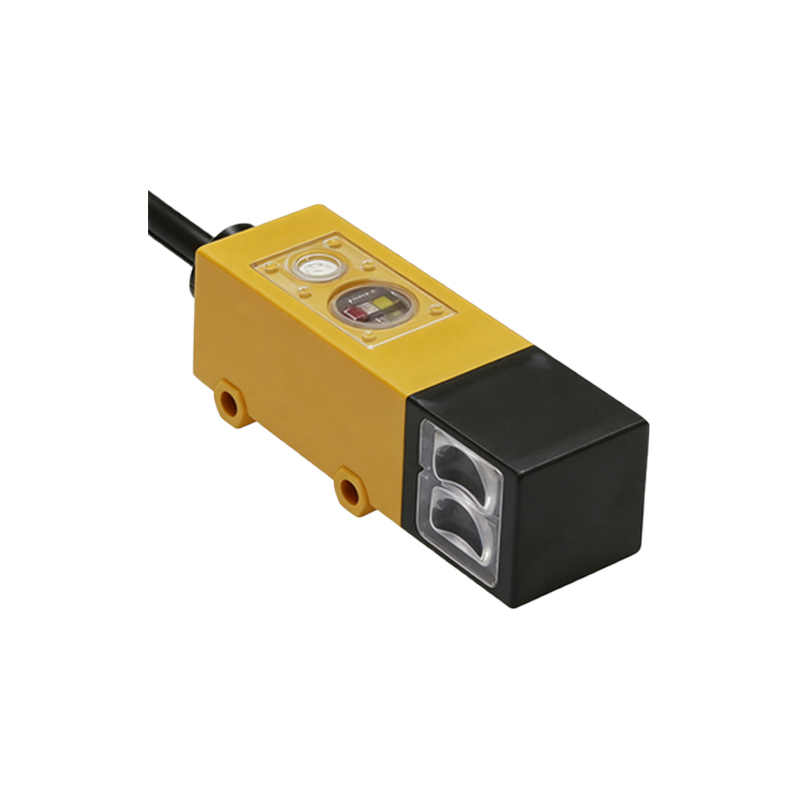
These sensors employ a modulated light source—usually a laser diode or LED—to emit a focused beam. The receiver, a high-sensitivity photodiode or phototransistor, detects changes in light intensity caused by the presence, absence, or reflection of an object. Advanced models incorporate background suppression or fixed-focus optics to eliminate false triggers from distant surfaces. For transparent objects, specialized polarization filters or retro-reflective modes are used to enhance detection accuracy.
Applications in Manufacturing and Assembly Lines
In automotive assembly, photon precision sensors monitor the presence of small components like screws or clips on moving conveyor belts. They are also deployed in packaging machinery to verify label placement or count bottles on a high-speed line. In electronics manufacturing, these sensors detect tiny circuit board features or guide robotic arms during pick-and-place operations. Their non-contact nature reduces wear and tear, extending system lifespan.
Installation and Calibration Best Practices
Proper installation requires aligning the sensor's optical axis with the target object and ensuring a clear line of sight. For diffuse reflective models, a minimum distance of 10 mm from the object is recommended to avoid signal saturation. Calibration involves adjusting the sensitivity potentiometer or using a teach-in function to set the threshold for switching output. Periodic cleaning of lenses and reflectors using lint-free cloths and isopropyl alcohol maintains optimal performance.
Comparison with Traditional Sensor Technologies
Compared to inductive or capacitive sensors, photon precision photoelectric sensors offer longer detection ranges (up to 20 meters) and can detect non-metallic objects. They outperform ultrasonic sensors in accuracy for small objects and are not affected by acoustic noise. However, they may require more careful alignment and are sensitive to highly reflective or transparent surfaces, which can be mitigated through model selection.
Future Trends and Integration with Industry 4.0
The next generation of photon sensors will incorporate AI-based signal processing for self-diagnosis and adaptive thresholding. Integration with IIoT platforms allows remote monitoring and predictive maintenance, reducing downtime. Miniaturization and lower power consumption are also key development areas, enabling deployment in portable or battery-operated systems. As factories become smarter, these sensors will play a pivotal role in closed-loop control systems.
Conclusion and Selection Guidelines
Selecting the right photon precision photoelectric sensor requires evaluating factors such as target material, detection distance, environmental conditions, and output requirements. For example, laser-based sensors are preferred for high-precision tasks over long distances, while LED-based models are cost-effective for short-range applications. Consulting with suppliers and conducting field tests are recommended to ensure optimal performance. Investing in quality sensors ultimately enhances productivity and reduces operational costs in automated environments.