Introduction to Photoelectric Sensor Budgeting
In the realm of industrial automation, photoelectric sensors are critical components for object detection, positioning, and quality control. Budgeting for these sensors requires a thorough understanding of their types, specifications, and installation requirements. As an electrical engineer, I emphasize that cost is not solely about the purchase price; it also includes integration, maintenance, and lifecycle expenses. This guide provides a detailed breakdown to help procurement managers and project engineers estimate total costs accurately.
Key Factors Influencing Sensor Cost
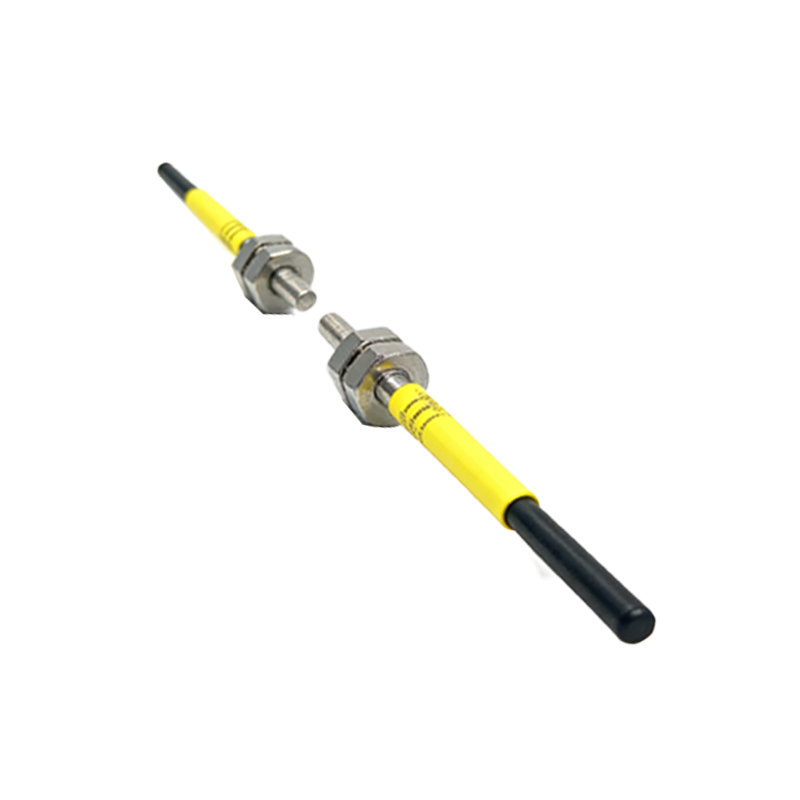
The primary cost drivers include sensor type (through-beam, retro-reflective, or diffuse), sensing range, environmental ratings, and output interface. For instance, through-beam sensors offer the longest range but require separate emitter and receiver units, increasing installation costs. Retro-reflective sensors are cost-effective for medium ranges but need a reflector, adding minor hardware expenses. Diffuse sensors are compact and cheaper but have limited range and are sensitive to target color and reflectivity. Additionally, sensors with IO-Link communication or high IP ratings (e.g., IP69K for washdown environments) command a premium.
Average Price Ranges for Standard Models
Based on current market data for 2024, basic diffuse photoelectric sensors start at USD 30 to USD 80 per unit. Mid-range retro-reflective sensors typically cost USD 50 to USD 150. High-performance through-beam sensors range from USD 100 to USD 300 per pair. Specialty sensors, such as those for clear object detection or with built-in laser alignment, can exceed USD 500. Volume discounts often apply for orders above 50 units, reducing per-unit cost by 10% to 20%.
Installation and Integration Costs
Installation expenses include mounting brackets, cabling, and labor. Standard bracket kits cost USD 10 to USD 30. Cabling varies: PVC-jacketed cables are cheap (USD 0.50 per meter), while armored or high-flex cables for motion applications can cost USD 2 to USD 5 per meter. Labor rates for industrial electricians range from USD 50 to USD 100 per hour, with typical installation taking 1 to 2 hours per sensor. Integration with PLCs or safety relays may require additional programming, adding USD 200 to USD 500 per project.
Maintenance and Lifecycle Considerations
Photoelectric sensors have a mean time between failure (MTBF) of 50,000 to 100,000 hours, but environmental factors like dust, vibration, and temperature extremes can reduce lifespan. Annual maintenance costs include cleaning optics (USD 20 per sensor for supplies) and occasional recalibration. Budgeting for spare units is wise: allocate 10% of the total sensor count as spares. For 24/7 operations, consider predictive maintenance tools, which add USD 1,000 to USD 5,000 per system but reduce downtime.
Total Budget Estimate Example
For a typical factory line with 50 diffuse sensors, 20 retro-reflective, and 10 through-beam: sensor hardware: (50x$50) + (20x$100) + (10x$200) = $2,500 + $2,000 + $2,000 = $6,500. Installation labor (80 hours at $75/hr): $6,000. Cabling and brackets: $1,500. Programming: $500. Spares (8 sensors): $800. Total initial cost: $15,300. Annual maintenance: $1,000. This example highlights the importance of accounting for all components.
Conclusion: Optimizing Your Sensor Budget
To minimize costs without compromising performance, standardize on sensor types and brands that offer interchangeable accessories. Use through-beam sensors only where necessary, as they are the most expensive. Negotiate bulk pricing and consider refurbished or previous-generation models for non-critical applications. Always request a total cost of ownership (TCO) analysis from your supplier to avoid hidden expenses. With careful planning, you can achieve reliable automation within your budget.