Introduction to Through-Beam Photoelectric Sensors
A through-beam photoelectric sensor is a fundamental component in industrial automation, widely used for object detection in harsh environments. It consists of two separate units: a transmitter and a receiver. The transmitter emits a continuous beam of light, typically infrared or visible red, while the receiver is positioned directly opposite to detect this beam. When an object interrupts the light path, the sensor triggers an output signal, indicating presence or absence. This design offers high reliability and long detection range, making it ideal for applications like conveyor belts, packaging lines, and safety systems.
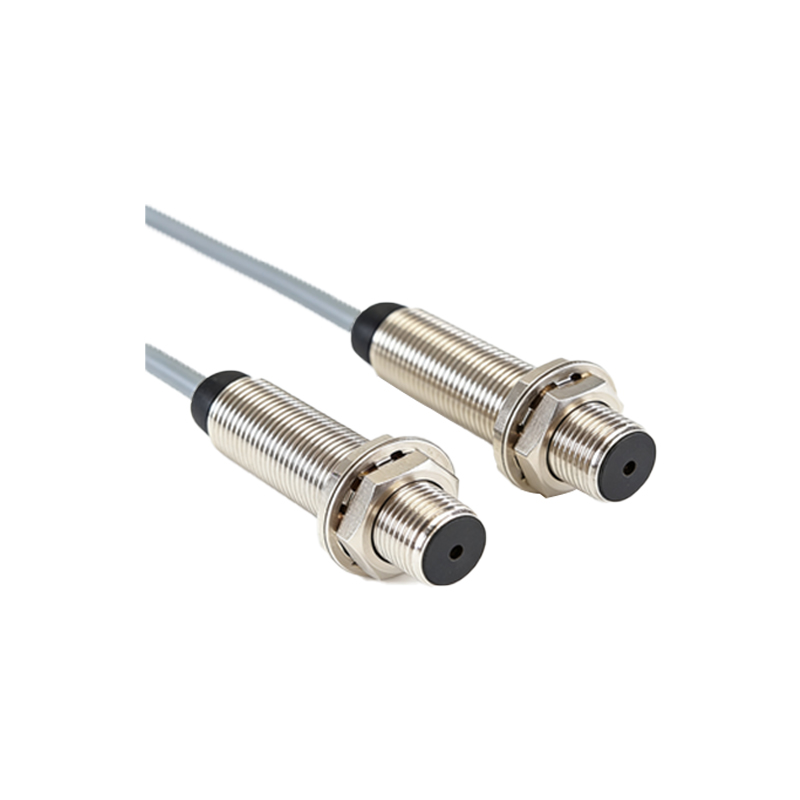
Key Components and Optical Design
The transmitter unit houses a light source, usually an LED, which generates a focused beam through a lens system. The receiver unit contains a photodetector, such as a photodiode or phototransistor, aligned precisely to capture the beam. To enhance performance, many sensors incorporate modulation techniques—the light is pulsed at a specific frequency. This modulation filters out ambient light interference, ensuring stable detection even in bright factory lighting. The optical alignment is critical; misalignment can cause false signals or reduced range. Therefore, sensors often include adjustment indicators like LED status lights for easy installation.
Detection Mechanism and Signal Processing
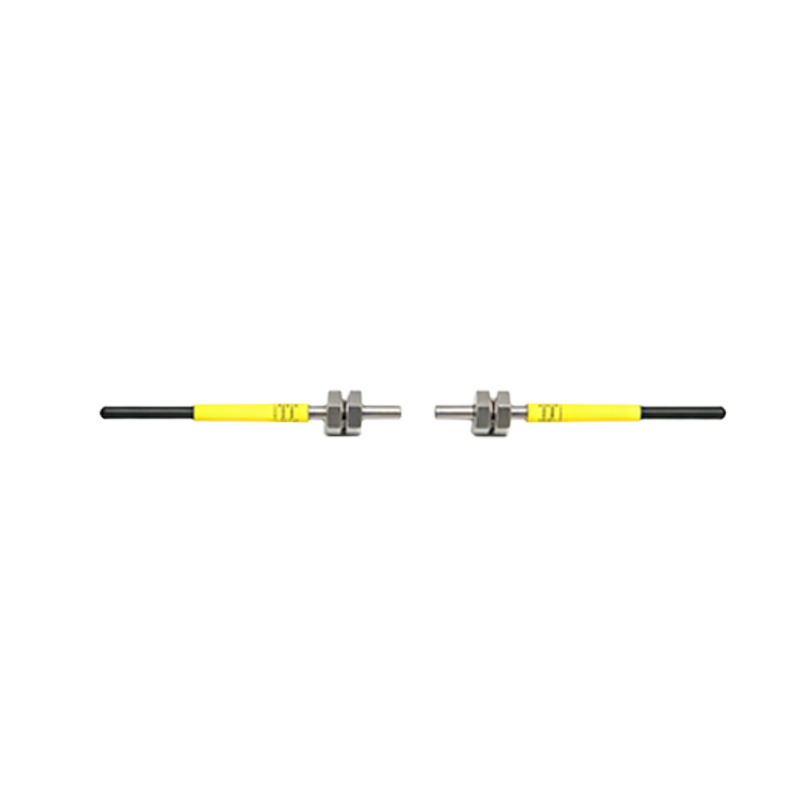
When no object is present, the receiver continuously sees the light beam and maintains a high output state. Once an object blocks the beam, the light intensity drops below a threshold, causing the receiver’s output to switch to a low state. This binary operation provides clear and fast response times, often in microseconds. The signal processing circuitry within the sensor includes amplifiers and comparators to clean the signal and provide digital or analog outputs, such as NPN, PNP, or relay contacts. This allows seamless integration with PLCs, relays, or industrial controllers.
Advantages in Industrial Environments
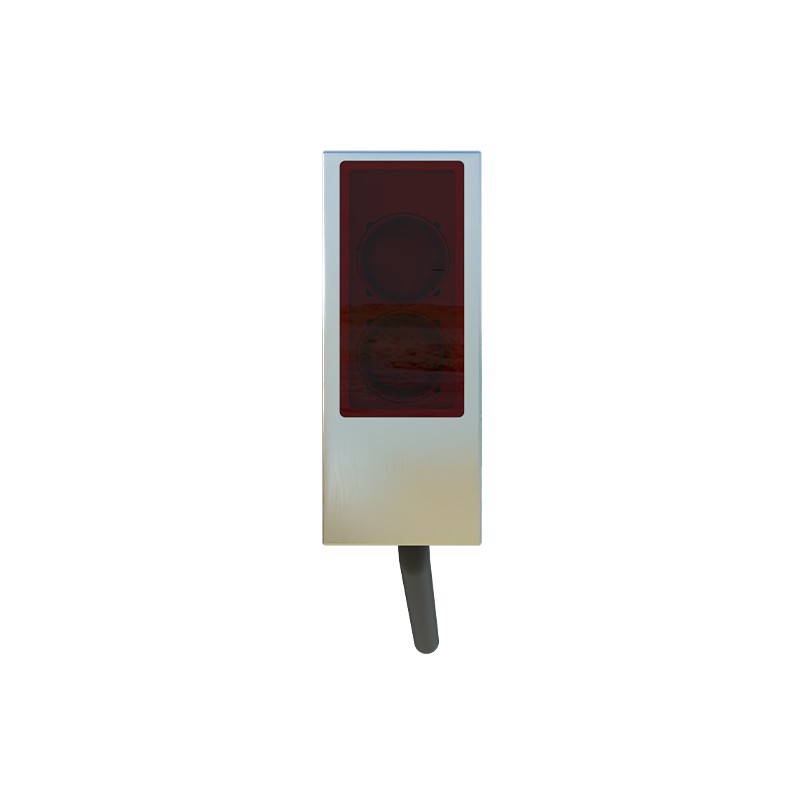
Through-beam sensors excel in dusty, wet, or smoky conditions because the separate transmitter and receiver design reduces the impact of contamination on detection accuracy. Unlike retro-reflective sensors, they do not require a reflector, simplifying alignment in long-range applications up to 30 meters or more. They also offer high immunity to electrical noise and vibration, ensuring consistent performance in heavy machinery. However, installation requires careful mounting and wiring of both units, which can increase setup time compared to other sensor types.
Common Applications and Troubleshooting Tips
Typical uses include counting products on a conveyor, detecting jams in material handling, and ensuring safety barriers in automated systems. For optimal operation, ensure the optical path is clear of obstructions and regular cleaning of lenses prevents signal degradation. If the sensor fails to detect, check power supply voltage, alignment, and ambient light interference. Using a test object to verify the beam interruption helps diagnose issues quickly. Modern sensors also offer built-in diagnostics via LED indicators or IO-Link communication for predictive maintenance.