Introduction to Photoelectric Sensors
Photoelectric sensors are essential components in industrial automation, used for detecting the presence, absence, or distance of objects without physical contact. They operate by emitting a beam of light (typically infrared, visible red, or laser) and analyzing the changes in the received light signal. These sensors are widely employed in manufacturing lines, packaging systems, and material handling due to their reliability, long sensing range, and ability to detect a variety of materials including metals, plastics, and glass.
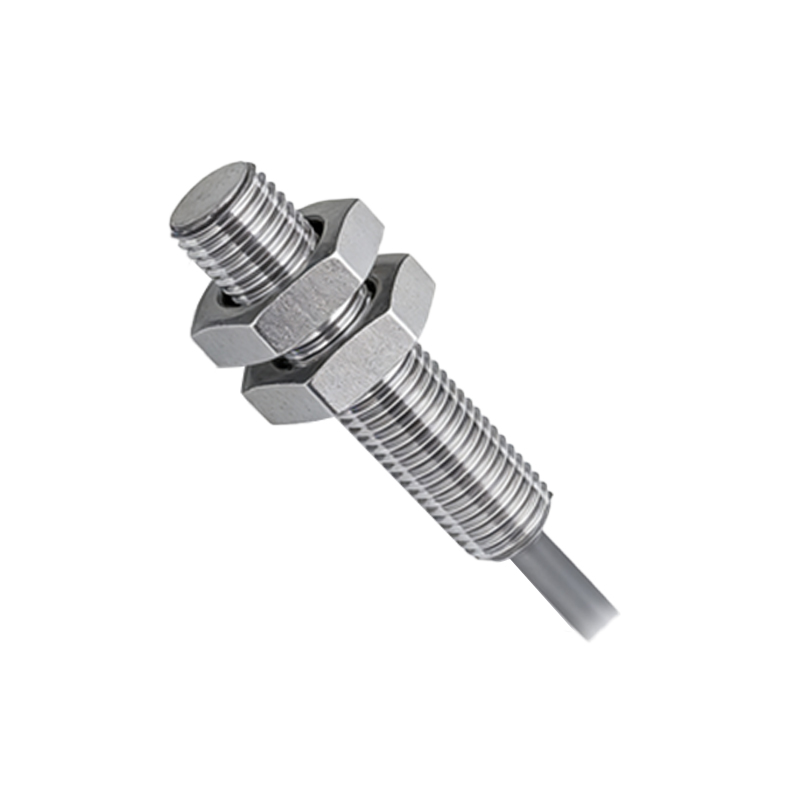
Basic Working Principle
The core working principle of a photoelectric sensor relies on the modulation of light. The sensor consists of an emitter (light source) and a receiver (photodetector). The emitter sends out a continuous or pulsed light beam. When an object interrupts or reflects this beam, the receiver detects the change in light intensity and triggers an output signal. The diagram below illustrates the fundamental setup: a light beam travels from the emitter to the receiver; if an object blocks the path, the receiver no longer receives the light, and the sensor switches its output state.
Types of Photoelectric Sensors and Their Diagrams
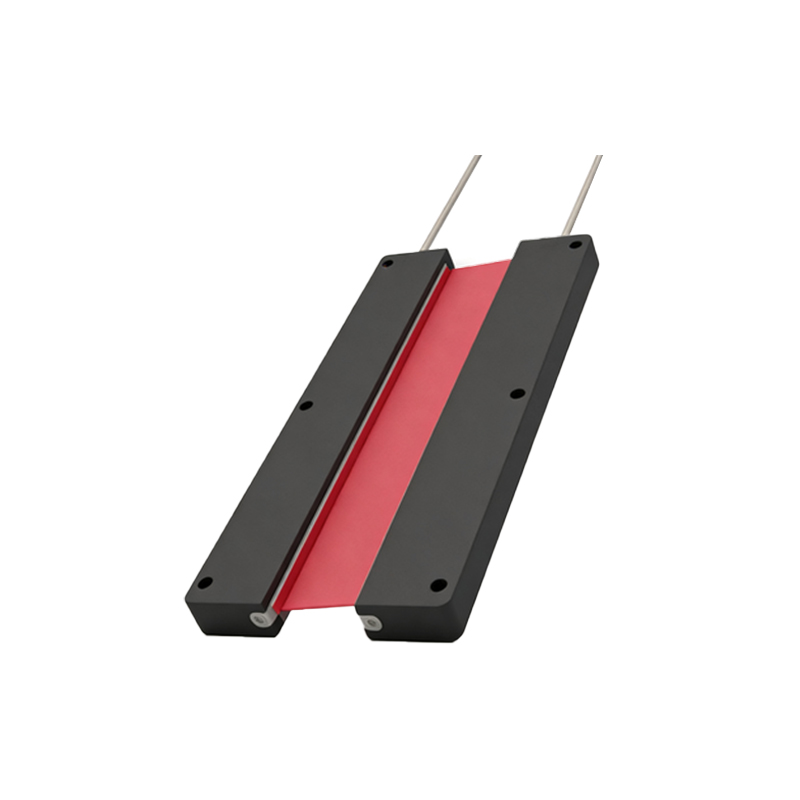
There are three main types of photoelectric sensors: through-beam, retro-reflective, and diffuse reflective. Each has a distinct working principle and application scenario.
Through-beam sensors consist of separate emitter and receiver units placed opposite each other. The diagram shows a clear line-of-sight path between them. When an object passes through the beam, it interrupts the light, causing the receiver to detect a loss of signal. This type offers the longest sensing range and highest accuracy, ideal for dusty environments or long-distance detection.
Retro-reflective sensors combine the emitter and receiver in a single housing, with a reflector placed opposite. The light beam travels to the reflector and bounces back to the receiver. The diagram depicts the reflector returning the light; if an object blocks the beam between the sensor and reflector, the receiver detects an interruption. These sensors are easier to install than through-beam types and are common in conveyor systems.
Diffuse reflective sensors also have the emitter and receiver in one unit, but they do not require a separate reflector. The diagram shows the light beam emitted toward the target object; the object itself reflects the light back to the receiver. Detection occurs when the reflected light exceeds a threshold. This type is suitable for short-range detection and is often used for sensing transparent or shiny objects.
Key Components and Signal Processing
A typical photoelectric sensor includes an LED or laser diode as the emitter, a photodiode or phototransistor as the receiver, and a lens system to focus the light beam. The signal processing circuit filters ambient light interference and amplifies the received signal. Modern sensors use modulation techniques (e.g., pulsed light at a specific frequency) to reject background light and improve noise immunity. The output is usually a digital signal (NPN or PNP transistor, or relay contact) or an analog signal for distance measurement.
Application Considerations
When selecting a photoelectric sensor, consider factors such as sensing distance, object color and reflectivity, ambient light conditions, and environmental factors like dust, moisture, or vibration. For example, through-beam sensors are preferred in harsh industrial environments, while diffuse sensors are better for detecting objects with consistent reflectivity. Always refer to the manufacturer’s diagram and datasheet for correct wiring and alignment.
Conclusion
Understanding the working principle of photoelectric sensors through diagrams simplifies their selection and integration into automation systems. By recognizing the differences between through-beam, retro-reflective, and diffuse reflective types, engineers can optimize sensor performance for specific industrial applications. The diagrams serve as a visual guide to quickly grasp how light is emitted, reflected, or interrupted to achieve reliable object detection.