Why Choosing the Right Manufacturer Matters
In the competitive field of industrial automation, photoelectric sensors are critical components for precise object detection, positioning, and quality control. A professional photoelectric sensor manufacturer ensures reliable performance, long service life, and compliance with international standards. As an electrical engineer with over a decade of experience in system integration, I emphasize that selecting a trusted supplier directly impacts production efficiency and maintenance costs. The right manufacturer offers not only high-precision sensors but also robust technical support and customization capabilities.
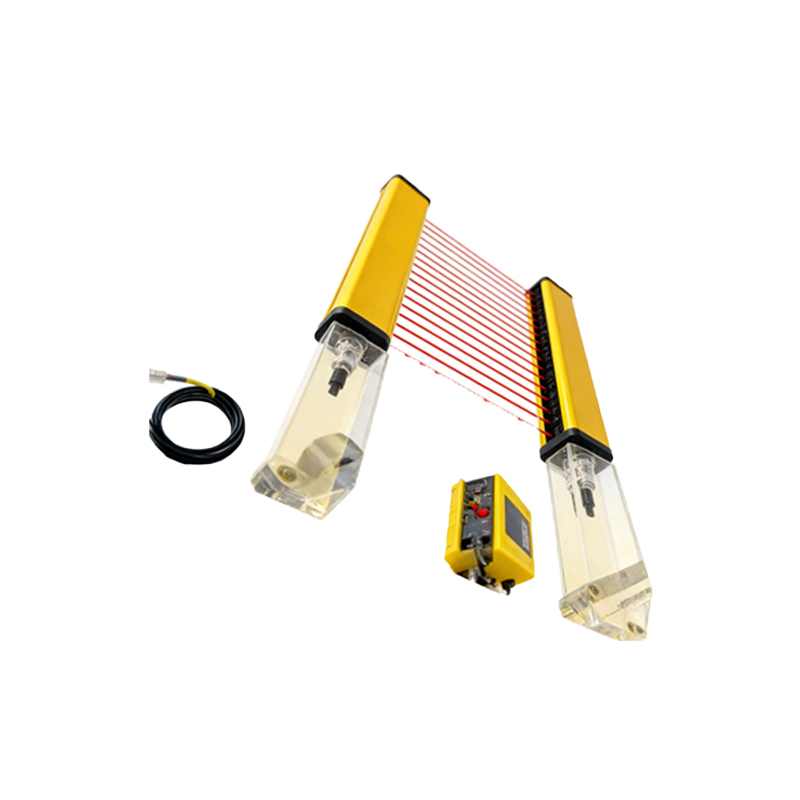
Advanced Optical Technology and Sensing Range
A leading manufacturer invests heavily in optical design and signal processing. Look for sensors with advanced features such as background suppression, laser-based detection for long-range applications, and adjustable sensitivity. For example, in conveyor belt systems, sensors with a detection range of 0-20 meters and response times under 1 millisecond significantly reduce errors. Manufacturers like SICK, Banner, and Keyence provide models with diffused, retro-reflective, and through-beam modes to suit diverse environments, from dusty factories to cleanrooms.
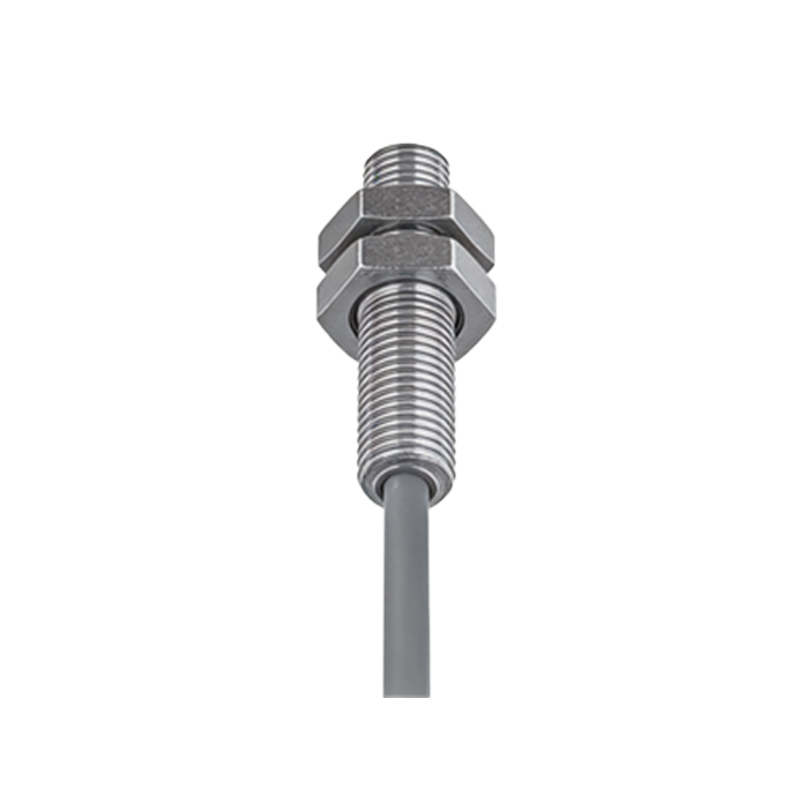
Robust Build Quality and Environmental Ratings
Industrial environments demand sensors that withstand vibration, moisture, and extreme temperatures. A professional manufacturer ensures their products meet IP67 or IP69K ratings for washdown areas, and operate reliably from -40°C to 70°C. Stainless steel housings with M12 connectors are common for food and beverage applications. For instance, in automotive painting lines, sensors with polycarbonate lenses and metal enclosures resist chemical exposure and maintain accuracy over years of use.
Integration Flexibility and Communication Protocols
Modern automation systems require sensors that seamlessly integrate with PLCs and industrial networks. Top manufacturers offer models with IO-Link, PROFINET, EtherNet/IP, or analog outputs (4-20 mA). This simplifies wiring and provides real-time diagnostics. For example, in packaging machinery, sensors with IO-Link enable remote parameter adjustment and predictive maintenance, reducing downtime. Always verify that the manufacturer supports standard mounting brackets and cable lengths for easy retrofitting.
Reliability and Long-Term Support
A professional manufacturer provides comprehensive warranties (typically 2-5 years) and global distribution networks for spare parts. They also offer application engineering services to optimize sensor placement and settings. In high-speed sorting systems, consistent performance over millions of cycles is essential. Look for manufacturers with ISO 9001 certification and a track record of supplying to automotive, logistics, and pharmaceutical industries. Their technical documentation should include clear datasheets, wiring diagrams, and troubleshooting guides.
Customization and Cost-Effectiveness
While off-the-shelf sensors meet standard needs, many projects benefit from custom solutions. Leading manufacturers offer tailored sensing ranges, special lens coatings, or unique connector configurations. For example, in semiconductor fabrication, sensors with minimal stray light interference and ultra-precise beam alignment are often customized. Despite customization, bulk purchasing agreements and long-term contracts can reduce per-unit costs. Always request samples for testing in your specific application before full deployment.