Introduction to Ultra-Large Slot-Type Photoelectric Sensors
Ultra-large slot-type photoelectric sensors are specialized devices designed for detecting objects in industrial automation where standard sensors fall short. These sensors feature a significantly wider slot opening, often exceeding 50 mm, allowing them to handle larger, bulkier, or irregularly shaped items. Unlike traditional through-beam or reflective sensors, the slot design ensures precise alignment between emitter and receiver, minimizing false triggers in harsh environments. With robust housing and enhanced optics, they are ideal for applications like packaging, material handling, and assembly lines.
Key Design Features and Technical Specifications
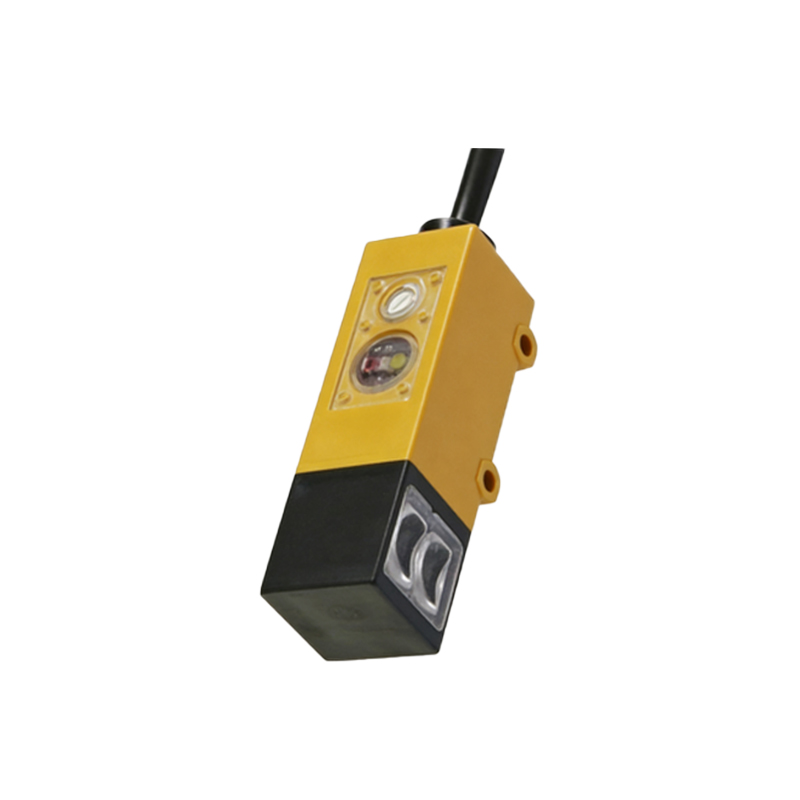
The construction of an ultra-large slot-type sensor typically includes a U-shaped frame with an infrared or laser emitter on one side and a receiver on the opposite side. Key specifications include slot widths ranging from 100 mm to 300 mm or more, response times under 1 millisecond, and immunity to ambient light interference. Many models offer IP67 protection against dust and water ingress, making them suitable for washdown environments. Advanced versions incorporate adjustable sensitivity and output options like NPN or PNP transistors for seamless integration with PLC systems.
Working Principle and Detection Mechanism
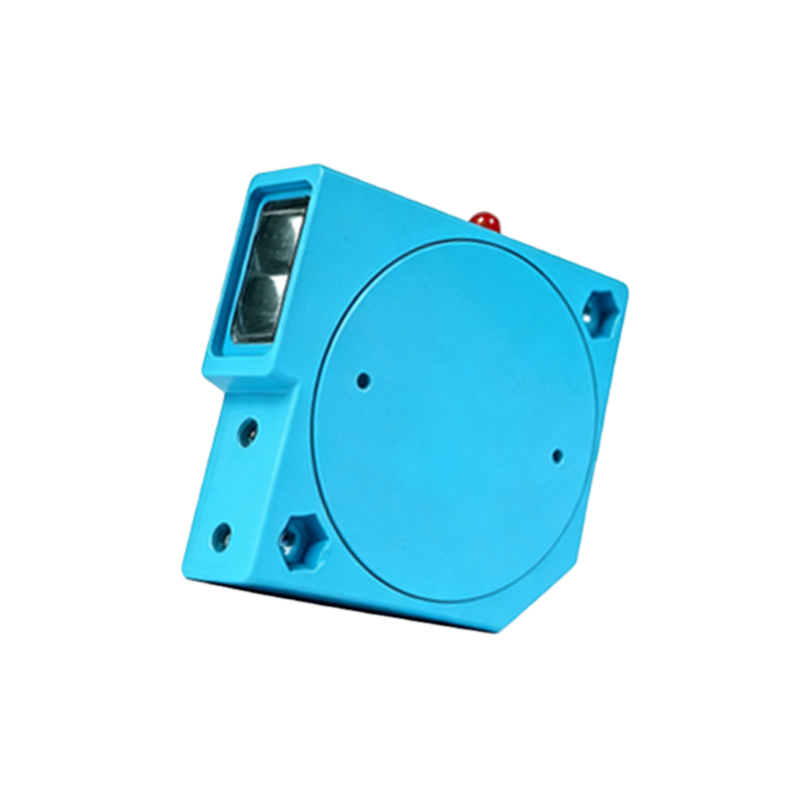
The sensor operates on the principle of light interruption. When an object passes through the slot, it blocks the light beam between the emitter and receiver, triggering a change in the output state. This method provides high reliability because the detection is independent of object color, surface texture, or reflectivity. Some models use modulated light to filter out background noise, ensuring stable performance even in the presence of vibration or dust. The ultra-large slot allows for detection of objects with large cross-sections, such as pallets or cartons.
Common Applications in Industrial Automation
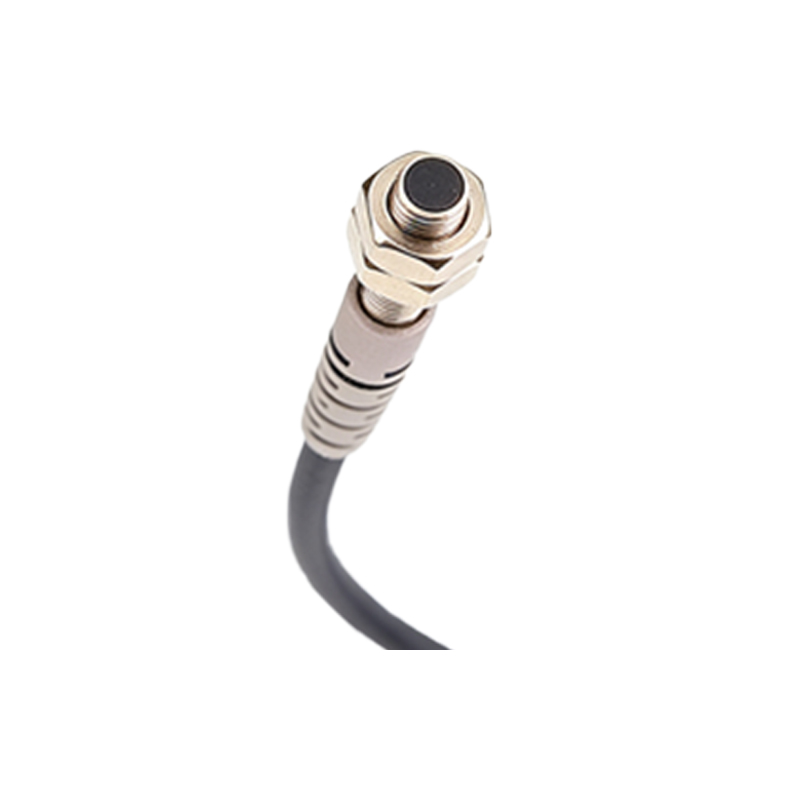
In manufacturing, these sensors excel at monitoring conveyor belts, detecting oversized items that might jam machinery. For example, in a cardboard box factory, an ultra-large slot sensor can verify box presence before sealing. In automotive assembly, they are used to confirm the presence of large chassis components. Other applications include lumber processing, where they detect thick wooden planks, and steel mills, where they track metal sheets moving through rollers. The wide gap reduces the risk of false signals from small debris.
Advantages Over Standard Photoelectric Sensors
The primary advantage is the ability to detect objects that are too large or complex for standard sensors. Traditional slot sensors often have gaps under 30 mm, limiting their use. The ultra-large version reduces installation complexity by eliminating the need for multiple sensors or additional alignment. It also improves reliability in dusty or wet conditions because the large slot allows for self-cleaning effects as objects pass through. Additionally, the robust design often includes impact-resistant materials to withstand industrial abuse.
Installation and Calibration Best Practices
For optimal performance, mount the sensor on a stable surface to prevent misalignment from vibration. Ensure the slot is free of obstructions and the light path is clear. Calibration typically involves adjusting the sensitivity potentiometer while running test objects. Use a scope or indicator to verify that the output changes reliably when objects pass. In high-speed applications, consider using a sensor with a fast response time to avoid missed detections. Always follow manufacturer guidelines for wiring and power requirements.
Common Troubleshooting and Maintenance Tips
If the sensor fails to detect consistently, check for accumulated dust on the lenses; periodic cleaning with a soft cloth is recommended. If false triggers occur, inspect for stray light sources or reflective surfaces in the slot area. Verify that the object is not too small for the beam width; for very small items, a narrower slot sensor may be needed. Also, test the output wiring for continuity, as industrial environments often cause cable damage. Keeping spare units on hand reduces downtime.
Future Trends and Technological Developments
The evolution of ultra-large slot sensors includes integration with IIoT (Industrial Internet of Things) for remote monitoring and diagnostics. Newer models may feature IO-Link communication, allowing real-time data transmission on sensor health and object counts. Advances in emitter technology, such as using multi-beam arrays, enhance detection of irregular shapes. As automation demands grow, these sensors will likely become more compact while maintaining large slot sizes, offering better energy efficiency and reduced maintenance cycles.