Understanding Acrylic Photoelectric Sensors and Their Applications
Acrylic photoelectric sensors utilize acrylic materials as the lens or housing to detect the presence, absence, or distance of objects through light emission and reception. These sensors are widely used in industrial automation, packaging, material handling, and safety systems due to their high transparency, chemical resistance, and cost-effectiveness compared to glass counterparts. For electrical engineers, selecting the right manufacturer is critical for ensuring reliability, sensitivity, and longevity in harsh environments. The market offers several key players known for precision engineering and robust product lines.
Key Global Manufacturers of Acrylic Photoelectric Sensors
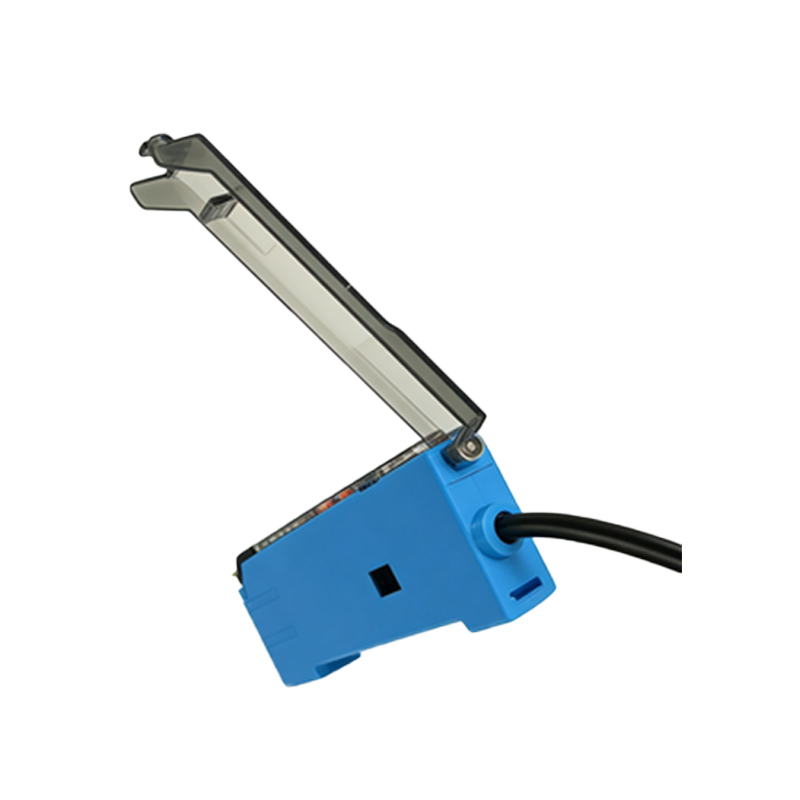
1. SICK AG (Germany) – A leading innovator in sensor technology, SICK provides a range of acrylic photoelectric sensors such as the WL series, which feature high resistance to ambient light and moisture. Their sensors are widely adopted in automotive and logistics industries for object detection and positioning.
2. Omron Corporation (Japan) – Omron’s E3Z and E3X series include acrylic-based models optimized for long-range detection and fine resolution. They offer excellent performance in dirty environments with IP67 protection.
3. Pepperl+Fuchs (Germany) – Known for their robust industrial sensors, Pepperl+Fuchs produces acrylic photoelectric sensors like the ML100 series, which are ideal for transparent object detection and high-speed applications.
4. Banner Engineering (USA) – Banner offers the QS18 and S18 series with acrylic optics, providing reliable sensing for packaging lines and conveyor systems. Their sensors are designed for easy installation and minimal maintenance.
5. Keyence Corporation (Japan) – Keyence’s PZ-V and LR-Z series incorporate advanced acrylic lens technology for high-precision detection in compact form factors.
Regional Specialists and Emerging Manufacturers
For localized supply chains, consider manufacturers like Autonics (South Korea), which produces cost-effective acrylic sensors for small-scale automation. Sensopart (Germany) specializes in miniature acrylic sensors for tight spaces. In China, Sure Controls (Sure Technology) and Carlo Gavazzi (Switzerland) offer competitive acrylic sensor lines with fast delivery and custom configuration options. For specific applications, such as food-grade or explosion-proof environments, consult suppliers like ifm electronic (Germany) or Turck (Germany), which integrate acrylic materials in their sensor housings for enhanced durability.
Key Selection Criteria for Engineers
When choosing a supplier, evaluate factors like sensing range (0.5mm to 20m), response time (typically 0.5ms to 1ms), operating temperature (-25°C to 55°C), and protection rating (IP67 or higher). Acrylic sensors are sensitive to chemical exposure, so verify material compatibility with cleaning agents. Also, assess the availability of accessories, such as mounting brackets and cable types, to streamline integration. Many manufacturers provide online configuration tools and technical support to simplify the selection process.
Market Trends and Future Directions
The demand for acrylic photoelectric sensors is growing due to the rise of Industry 4.0 and smart factories. Manufacturers are focusing on miniaturization, improved signal processing for transparent object detection, and integration with IoT protocols like IO-Link. For example, SICK’s recent innovations include self-cleaning acrylic lenses for dusty environments. Engineers should monitor patents from companies like Balluff (Germany) and Leuze Electronic (Germany) for cutting-edge solutions in this domain.