Understanding the Nanao Photoelectric Sensor Market
As an electrical engineer specializing in industrial automation, I often receive inquiries about Nanao photoelectric sensors, particularly regarding pricing. These sensors are widely used in manufacturing lines for object detection, positioning, and counting. The price of a Nanao photoelectric sensor varies significantly based on model specifications, such as sensing distance, output type (e.g., NPN, PNP), and housing material. Typically, basic diffuse reflective models start around $30 to $60, while through-beam or retro-reflective variants with longer ranges can exceed $150. It is crucial to note that pricing is influenced by distribution channels and bulk purchasing agreements. For accurate quotes, always request a formal price list from authorized distributors or the manufacturer.
Key Factors Affecting Sensor Cost
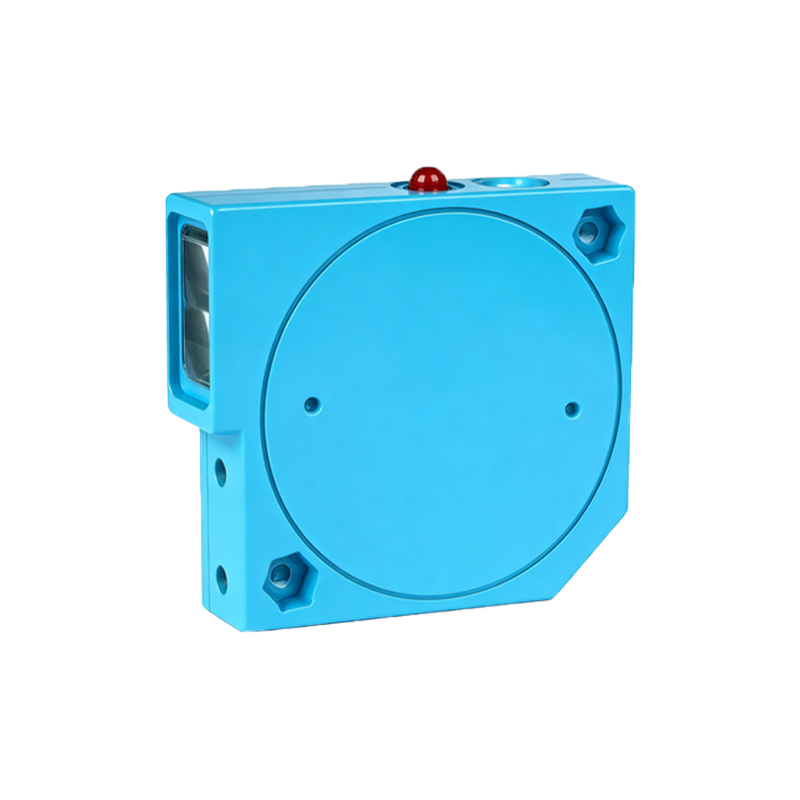
When evaluating cost, consider technical parameters first. Sensing range is a primary driver: a sensor with a 10-meter through-beam capability will cost more than a 2-meter diffuse type. Environmental ratings, such as IP67 or IP69K for washdown applications, also add to the price. Additionally, special features like laser light sources, analog outputs, or IO-Link communication protocols can increase the unit cost by 20% to 40%. For example, a standard Nanao E3Z-series sensor might be priced at $45, while a high-end E3JK-series with a laser diode could be $120. As an engineer, I recommend prioritizing the application requirement over price alone to avoid operational failures.
Where to Get Reliable Price Quotes
For reliable pricing on Nanao photoelectric sensors, start by contacting regional industrial automation distributors, such as those listed on platforms like Digi-Key or Mouser. Many suppliers offer online quoting tools, but for bulk orders, direct inquiry via email or phone yields better discounts. I suggest preparing a detailed spec sheet including part numbers and desired quantity. For instance, if you need 50 units of the Nanao E3Z-D61 model, request a volume discount price. Also, check the manufacturer’s official website for authorized dealers to avoid counterfeit products. Always ask about lead times and shipping costs, as these can affect total expenditure.
Price Comparison and Budgeting Tips
To budget effectively, compare prices across multiple distributors. A quick search shows that the Nanao E3Z-R61 retro-reflective sensor is listed at $55 on one site and $58 on another, but the lower-priced option may have higher shipping fees. For large-scale projects, consider long-term contracts with suppliers. Additionally, verify if the sensor includes accessories like mounting brackets or cables, as these can add $10 to $20 per unit. As a practical tip, allocate 10% to 15% of your sensor budget for spare units and maintenance. Finally, request a written quotation that includes warranty terms—Nanao typically offers a two-year warranty, which adds value.
Common Pitfalls in Price Inquiry Process
A common mistake I see is failing to specify the exact model variant. For example, the Nanao E3Z-D62 has a different price than the E3Z-D61 due to cable length differences. Always confirm the part number before inquiring. Another pitfall is ignoring currency exchange rates if sourcing internationally. If you are buying from a US-based distributor with Nanao sensors manufactured in China, the price in USD may fluctuate. Also, avoid relying solely on online prices; often, calling a sales engineer yields unpublished discounts. Lastly, be cautious of “too good to be true” deals on third-party marketplaces, as these may be refurbished or counterfeit units.
Final Recommendations for Engineering Teams
For engineering teams planning to purchase Nanao photoelectric sensors, I recommend creating a standardized inquiry template. Include fields for model number, sensing distance, output type, quantity, and desired delivery date. Send this to at least three suppliers to compare total cost of ownership, not just unit price. As of 2025, typical lead times for Nanao sensors are 2 to 4 weeks, so plan accordingly. If you need urgent sensors, consider stock items from local distributors like AutomationDirect or RS Components. Remember, investing in high-quality sensors from Nanao reduces downtime and maintenance costs over the long run.