Introduction to Ultra-Compact Photoelectric Sensors
Ultra-compact photoelectric sensors are game-changers in modern industrial automation, offering unparalleled precision and space-saving design. As an engineer with over a decade of experience in electrical systems, I have witnessed how these sensors have evolved to address critical challenges in tight spaces, high-speed production lines, and harsh environments. Unlike traditional sensors, these devices integrate advanced optics, microelectronics, and robust housings into a footprint as small as a fingertip. Their ability to detect objects without physical contact—using light beams—makes them ideal for applications ranging from semiconductor manufacturing to food packaging. In this article, we will explore their key features, working principles, and real-world benefits, helping you leverage them for enhanced efficiency and reliability in your projects.
Core Working Principles and Technology
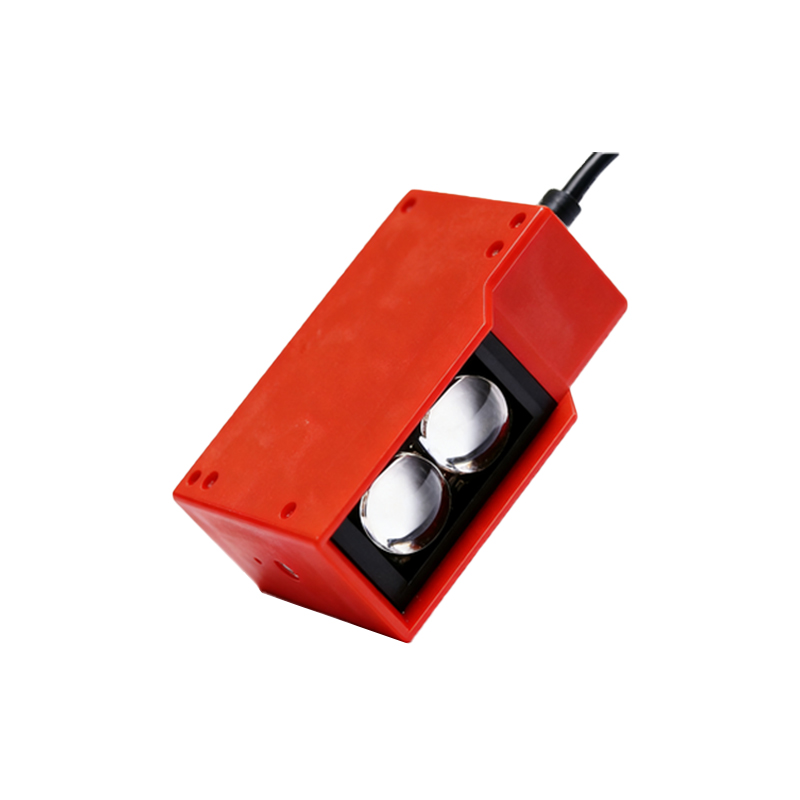
Ultra-compact photoelectric sensors operate on the same fundamental principles as larger counterparts but with miniaturized components. They typically use three detection modes: through-beam, retro-reflective, and diffuse reflection. Through-beam sensors consist of a separate emitter and receiver, providing the longest range (up to 20 meters) and highest accuracy, ideal for clean environments. Retro-reflective sensors use a reflector to bounce the beam back to the receiver, offering a balance of range and simplicity (up to 5 meters). Diffuse sensors detect reflected light from the target itself, perfect for short-range applications (up to 1 meter) where object presence is key. Advanced models incorporate laser diodes for pinpoint accuracy, with response times under 1 millisecond. These sensors also feature noise-suppression algorithms to minimize false triggers from ambient light or dust, ensuring stable operation at high speeds.
Key Benefits in Industrial Applications
The primary advantage of ultra-compact photoelectric sensors is their ability to fit into previously inaccessible locations, such as inside robotic arms, conveyor system guides, or small assembly stations. For example, in electronics manufacturing, these sensors detect tiny components (e.g., 0.5 mm screws) on high-speed pick-and-place machines, preventing jams and reducing downtime. Their IP67 or higher ratings allow them to withstand washdown processes in food processing plants, while their immunity to electromagnetic interference ensures reliable performance near motors or welding equipment. Additionally, their low power consumption (often under 10 mA) makes them suitable for battery-powered or IoT-enabled devices. From my experience, replacing bulky sensors with these compact units often reduces installation costs by 30% due to simpler mounting and wiring.
Installation and Configuration Best Practices
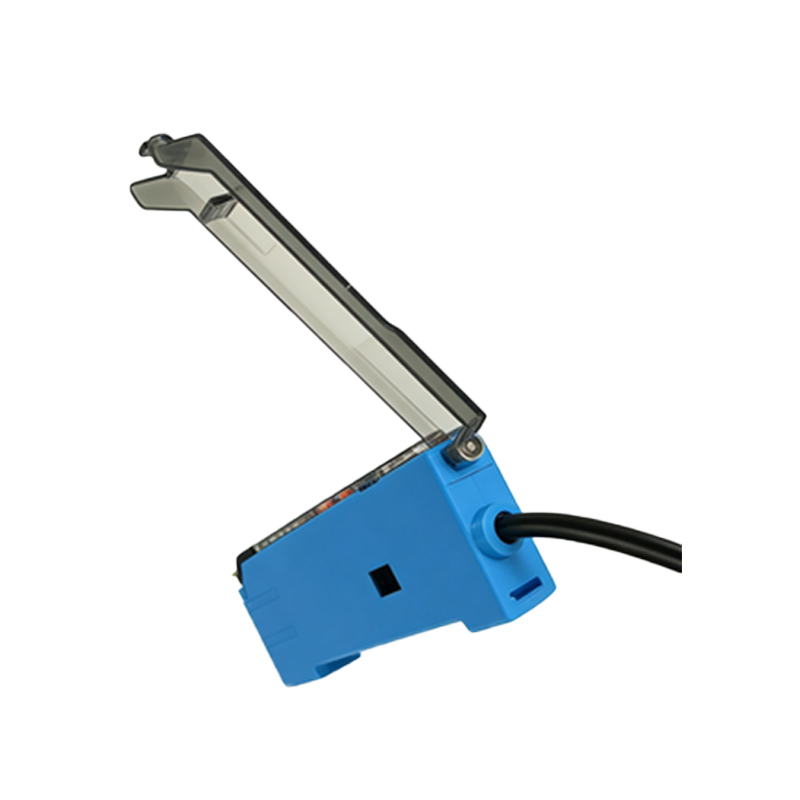
Proper installation is crucial to maximize sensor performance. First, ensure the sensor's detection mode matches the application: use through-beam for transparent objects, retro-reflective for shiny surfaces, and diffuse for irregular shapes. Mount the sensor with a stable bracket to avoid vibration-induced misalignment, and use a dark-colored background (e.g., black tape) to prevent false reflections. For wiring, always shield cables from high-voltage lines and use ferrite cores to reduce noise. Many models offer teach-in buttons or IO-Link communication for easy parameter adjustment—such as setting sensitivity or output type (NPN or PNP). During commissioning, test with actual production objects and adjust the threshold to account for dust or temperature variations. Regularly clean the lens with a lint-free cloth to maintain detection accuracy.
Future Trends and Integration with Industry 4.0
The next generation of ultra-compact photoelectric sensors is embracing digitalization. With built-in IO-Link interfaces, these sensors can transmit real-time data on detection counts, signal strength, and diagnostic alerts to central PLCs or IIoT platforms. This enables predictive maintenance—for instance, signaling when the lens is dirty or the emitter is degrading—reducing unplanned downtime. Additionally, developments in visible red or green laser diodes are improving detection of dark or transparent materials. Some prototypes now feature energy harvesting from ambient light, eliminating batteries in wireless setups. As automation demands increase, we can expect these sensors to integrate with vision systems and AI algorithms for smart sorting and quality control. For engineers, staying updated on these trends will be key to designing future-proof systems.