Introduction to Photoelectric Sensors in Industrial Applications
Photoelectric sensors are critical components in modern industrial automation systems, enabling precise object detection, distance measurement, and process control without physical contact. Choosing a reliable brand ensures long-term operational efficiency, reduced downtime, and compliance with safety standards. This article reviews five globally recognized brands known for their robust performance in harsh environments, such as dusty factories, high-temperature zones, or wet conditions.
Key Factors in Selecting a Photoelectric Sensor Brand
When evaluating brands, engineers prioritize factors like sensing range, response time, ambient light immunity, enclosure rating (e.g., IP67), and output compatibility (PNP/NPN, analog, IO-Link). A reputable brand offers extensive product lines, technical documentation, and global support. For instance, brands with certified quality management systems (ISO 9001) and industry-specific approvals (UL, CE, FDA for food-grade) are preferred.
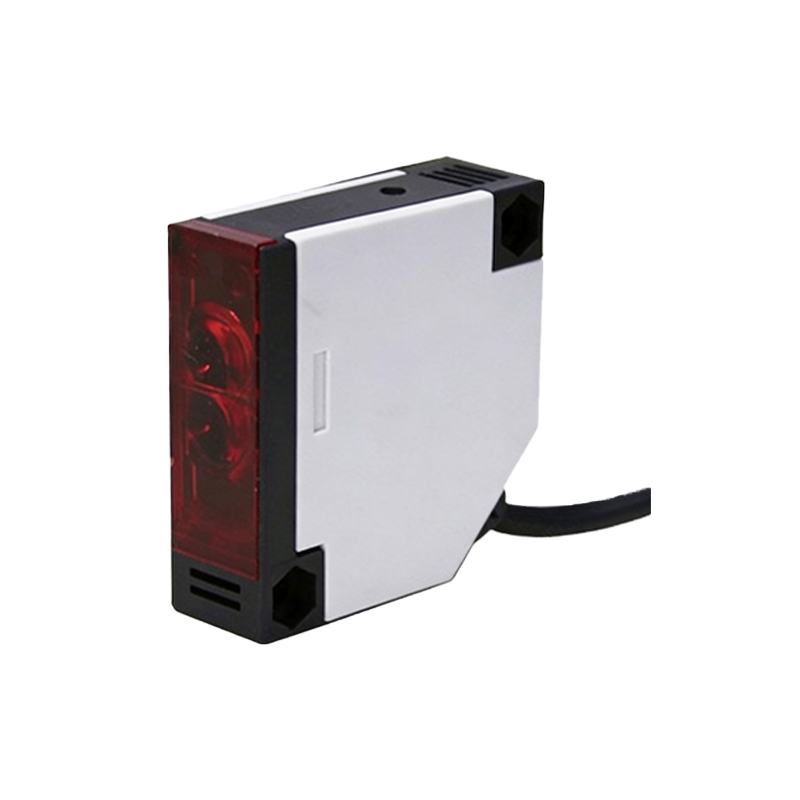
Brand 1: SICK AG – Precision and Innovation
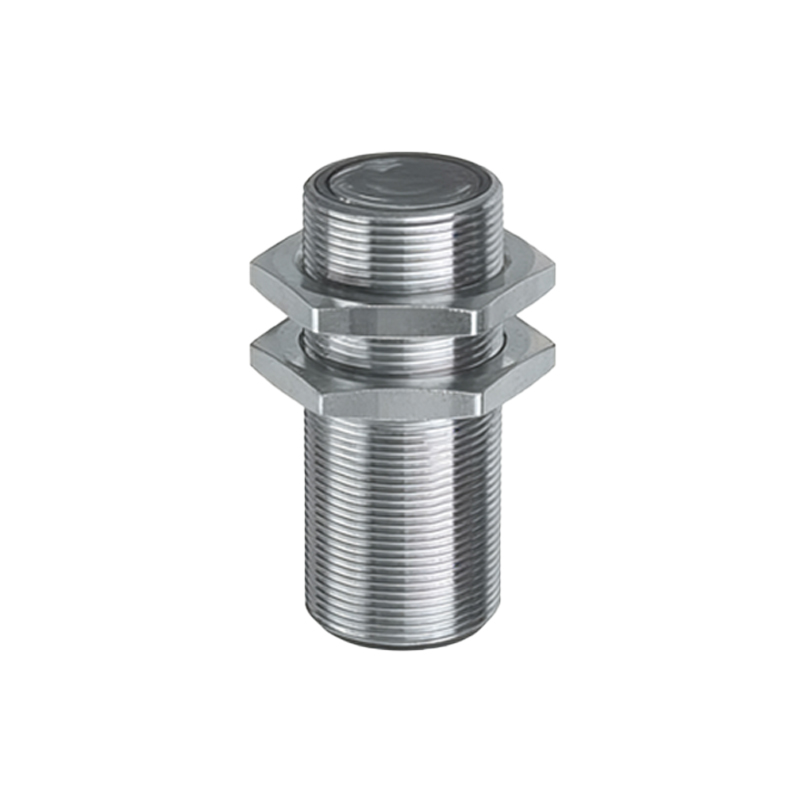
SICK AG from Germany is a market leader in sensor technology. Their photoelectric sensors, such as the WL9 series, feature high-speed detection up to 10 kHz and robust background suppression. These sensors operate reliably in vibrating machinery and conveyors. SICK’s IO-Link capabilities allow real-time diagnostics and parameterization, reducing setup time. Ideal for packaging and automotive industries.
Brand 2: Banner Engineering – Versatility and Durability
Banner Engineering, based in the USA, offers the Q4X series with dual sensing modes (laser and ultrasonic). Their sensors excel in challenging surfaces like shiny metals or dark plastics. The R55F model provides a long sensing range up to 50 meters for warehouse logistics. Banner’s sensors are rated IP69K for washdown environments, making them suitable for food processing.
Brand 3: Omron Corporation – Compact and Smart
Omron’s E3Z series is known for its compact design and built-in amplifier, simplifying wiring in space-constrained panels. These sensors feature advanced noise cancellation for electromagnetic interference (EMI) resistance, common in motor-driven systems. Omron also integrates Ethernet/IP connectivity for Industry 4.0 applications, enabling predictive maintenance via data analytics.
Brand 4: Keyence Corporation – High-Performance Optics
Keyence from Japan provides the LR-Z series with CMOS laser technology, achieving micrometer-level repeatability. Their sensors detect transparent objects (e.g., glass, film) without false triggers using coaxial optics. Keyence’s proprietary algorithm filters out ambient light fluctuations, ensuring stable operation in outdoor or variable lighting conditions. Common in electronics manufacturing.
Brand 5: Pepperl+Fuchs – Hazardous Area Expertise
Pepperl+Fuchs specializes in sensors for explosive environments (ATEX/IECEx certified). Their ML100 series uses retro-reflective scanning with polarized filters to ignore shiny backgrounds. These sensors withstand extreme temperatures from -40°C to +60°C and are built with stainless steel housings for chemical resistance. Ideal for oil, gas, and chemical plants.
Conclusion and Practical Recommendations
Selecting between these brands depends on application-specific demands: SICK for precision, Banner for durability, Omron for compactness, Keyence for micro-detection, and Pepperl+Fuchs for safety in hazardous zones. Engineers should request sample units for field testing under actual conditions, such as conveyor speeds and ambient light levels. Always verify datasheet parameters like signal strength graphs and temperature derating curves to avoid performance gaps.