Understanding Micro Photoelectric Sensor Switches
Micro photoelectric sensor switches are compact, high-performance devices used to detect the presence, absence, or position of objects without physical contact. These sensors operate by emitting a beam of light, typically infrared, visible red, or laser, and measuring the changes in the received light intensity. Common sensing modes include through-beam, retro-reflective, and diffuse reflection. In industrial automation, they are critical for applications such as conveyor belt monitoring, part counting, packaging line control, and safety interlocks. Their small footprint allows for integration into tight spaces, making them ideal for modern, miniaturized machinery.
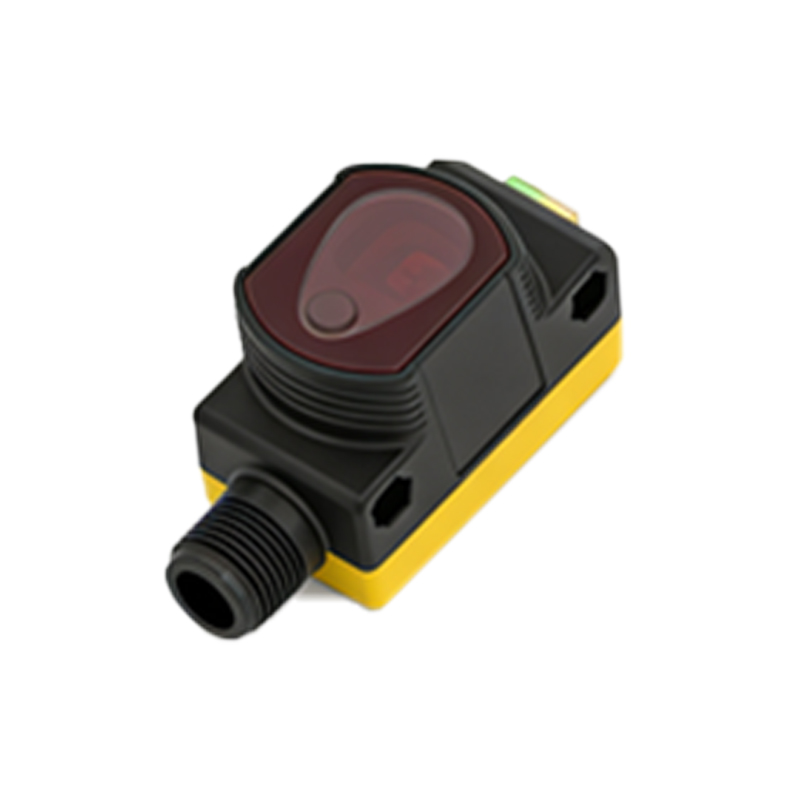
Key Performance Specifications to Evaluate
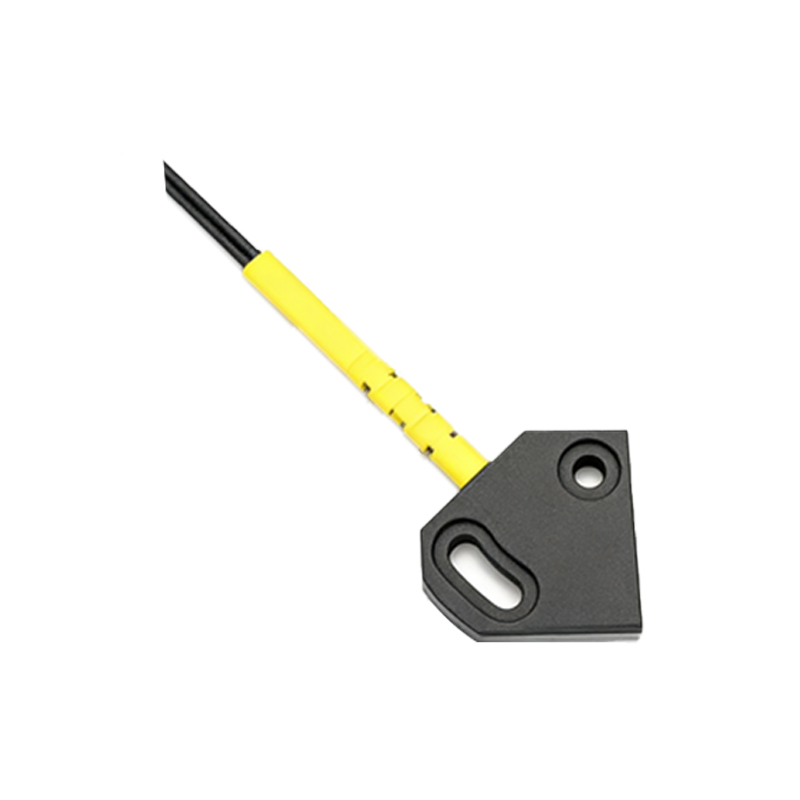
When sourcing micro photoelectric sensor switches, engineers must prioritize several technical parameters. First, sensing distance varies by model, ranging from a few millimeters to several meters, depending on the mode and emitter type. For through-beam sensors, the distance can be the longest, but they require separate emitter and receiver units. Second, response time is crucial for high-speed applications; look for sensors with switching frequencies above 1 kHz. Third, environmental resistance matters: IP67 or higher ratings ensure protection against dust and water ingress. Additionally, consider the operating temperature range, typically -25°C to +55°C, and the material of the housing, often stainless steel or reinforced plastic for durability.
Selecting the Right Sensing Mode for Your Application
The choice of sensing mode directly impacts reliability and cost. Through-beam sensors offer the highest detection accuracy and longest range, making them suitable for clean environments with no obstructions. Retro-reflective sensors simplify installation by combining emitter and receiver in one unit, using a reflector to bounce the beam back; they are ideal for detecting transparent or shiny objects. Diffuse reflection sensors are the most compact, as they detect objects directly by the reflected light, but they are more sensitive to background color and surface texture. For challenging conditions like dusty environments or long distances, through-beam is often the best choice.
Supply Chain and Quality Assurance
Reliable supply is critical for maintaining production lines. When choosing a supplier, verify their quality certifications, such as ISO 9001 or IATF 16949. Ensure the sensors comply with relevant regional standards like CE, RoHS, or UL. Lead times vary; established manufacturers often stock standard models for quick delivery, while custom configurations may require longer periods. It is advisable to request samples for testing before bulk ordering. Also, evaluate the supplier’s technical support and warranty policies. A robust supplier should offer at least a one-year warranty and provide detailed datasheets with wiring diagrams, output types (NPN/PNP), and connection options (cable, connector, or pigtail).
Common Pitfalls and Best Practices in Installation
Even the best micro photoelectric sensor switch can fail if improperly installed. Common issues include misalignment, especially in through-beam systems, and interference from ambient light or reflective surfaces. To avoid this, use alignment tools and shields where needed. Ensure the sensor’s output type matches the controller input (e.g., sourcing or sinking). Cable routing should avoid high-voltage lines to prevent electromagnetic interference. For sensors in washdown zones, select models with IP69K ratings. Regular calibration and cleaning of optics are necessary for consistent performance. Finally, document the sensor parameters and wiring for future maintenance.
Future Trends in Micro Photoelectric Sensor Technology
The industry is evolving toward smarter, more connected sensors. Recent developments include IO-Link communication, which allows real-time data exchange and remote parameter adjustment. Additionally, sensors with built-in self-diagnostics can predict failures, reducing downtime. Miniaturization continues, with some models now smaller than a sugar cube while maintaining long sensing distances. For harsh environments, sensors with improved immunity to dirt, fog, and temperature extremes are emerging. As Industry 4.0 expands, micro photoelectric sensors will integrate more deeply with PLCs and cloud-based monitoring systems, enhancing overall production efficiency.