Introduction to Photoelectric Sensors without Wiring Terminals
Photoelectric sensors are critical components in industrial automation, used for detecting objects, positions, and distances through light signals. Traditional photoelectric sensors often require wiring terminals for connection, which can complicate installation, increase maintenance time, and introduce potential failure points. In recent years, the development of photoelectric sensors without wiring terminals has revolutionized the industry, offering significant advantages in terms of reliability, simplicity, and efficiency. These sensors integrate connection functions directly into the housing, eliminating the need for separate terminal blocks. By reducing wiring complexity, they accelerate installation processes and minimize human errors. For engineers in fields like manufacturing, packaging, and logistics, adopting terminal-free photoelectric sensors can enhance system uptime and reduce operational costs. This article explores the key roles and benefits of these sensors, focusing on practical applications and technical considerations.
Simplified Installation and Reduced Labor Costs
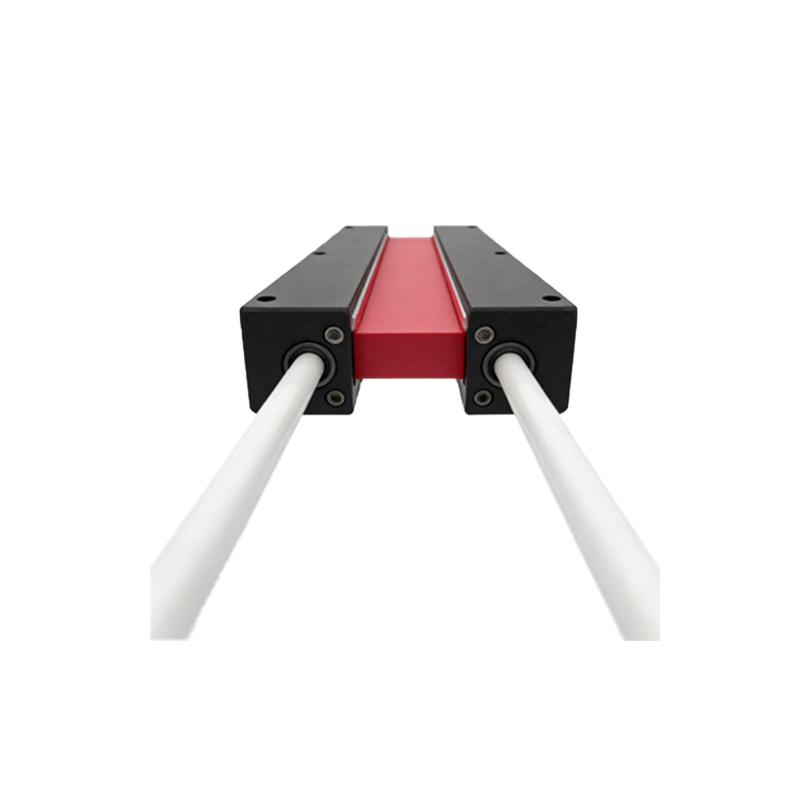
One of the primary roles of photoelectric sensors without wiring terminals is simplifying the installation process. In traditional setups, wiring terminals require careful stripping, crimping, and tightening of wires, which is time-consuming and prone to mistakes such as loose connections or short circuits. Terminal-free sensors use pre-assembled cables or plug-in connectors, allowing direct connection to control systems like PLCs. This plug-and-play design reduces installation time by up to 50% in field applications, lowering labor costs and enabling faster commissioning of production lines. For example, in conveyor systems, technicians can quickly mount and connect these sensors without specialized tools, minimizing downtime during upgrades or repairs. The elimination of terminals also reduces the risk of corrosion or vibration-induced loosening, which is common in harsh industrial environments.
Enhanced Reliability and Reduced Failure Points
Another critical role is improving system reliability. Wiring terminals are a common source of electrical failures due to oxidation, mechanical stress, or poor contact. Terminal-free photoelectric sensors remove these failure points by integrating the connection as a single, sealed unit. This design prevents moisture, dust, and debris from entering the wiring interface, which is especially important in environments with high humidity or particulate matter, such as food processing plants or automotive assembly lines. Additionally, the absence of terminals reduces the number of potential intermittent connections, leading to more consistent signal transmission. In automated quality inspection systems, where sensor accuracy is paramount, this reliability ensures fewer false triggers or detection errors. Studies show that terminal-free sensors can reduce maintenance frequency by 30-40% compared to wired terminal counterparts.
Improved Space Efficiency and Compact System Design
Terminal-free photoelectric sensors also play a vital role in optimizing space within control cabinets and machinery. Traditional wiring terminals occupy significant physical space, requiring additional enclosure volume for mounting and routing. By eliminating these components, sensors can be designed with smaller footprints, allowing for denser packing of components in compact automation systems. This is particularly beneficial in robotics and small-scale manufacturing cells where space is limited. For instance, in pick-and-place robots, using terminal-free sensors enables closer integration with grippers and actuators, improving overall machine agility. Furthermore, the streamlined design reduces the number of cables and connectors, simplifying cable management and improving airflow for cooling. This leads to better thermal performance and extends the lifespan of both the sensor and adjacent electronics.
Faster Troubleshooting and Maintenance
When issues arise, terminal-free photoelectric sensors facilitate faster diagnosis and repair. Traditional sensors with terminals require disconnecting and testing each wire, which can be tedious and error-prone. Terminal-free designs often feature LED indicators and quick-disconnect connectors, allowing technicians to swap sensors in seconds without rewiring. This modularity reduces mean time to repair (MTTR) by up to 60% in field studies. In applications like automated storage and retrieval systems, where uptime is critical, this quick maintenance capability prevents costly production halts. Additionally, the integrated design simplifies spare parts management, as replacement units are standardized and require no additional terminal accessories. For maintenance teams, this translates to lower inventory costs and faster response times.
Compatibility with Industry 4.0 and Smart Networks
Finally, photoelectric sensors without wiring terminals play a strategic role in advancing Industry 4.0 initiatives. Many modern terminal-free sensors come with built-in IO-Link communication, enabling direct digital data exchange with controllers. This allows for remote parameterization, diagnostics, and condition monitoring without the need for additional terminal wiring. For example, in smart factories, these sensors can automatically report signal strength, contamination levels, or alignment status, enabling predictive maintenance. The elimination of terminals also supports daisy-chaining multiple sensors on a single cable, reducing wiring complexity in large-scale networks. As factories move toward wireless and decentralized control architectures, terminal-free sensors provide the flexibility needed for modular and reconfigurable production lines. By aligning with IoT protocols, they help engineers achieve greater visibility into process performance and real-time optimization.