Introduction to Miles Photoelectric Sensors
In modern industrial automation, photoelectric sensors play a critical role in detecting objects, measuring distances, and ensuring precise control. Miles photoelectric sensors are engineered to meet the rigorous demands of manufacturing environments, offering high reliability, accuracy, and durability. These sensors use light beams to sense the presence or absence of targets, making them ideal for applications ranging from conveyor belts to packaging lines. With advanced optics and robust housing, Miles sensors withstand dust, moisture, and vibration, ensuring consistent performance in harsh conditions.
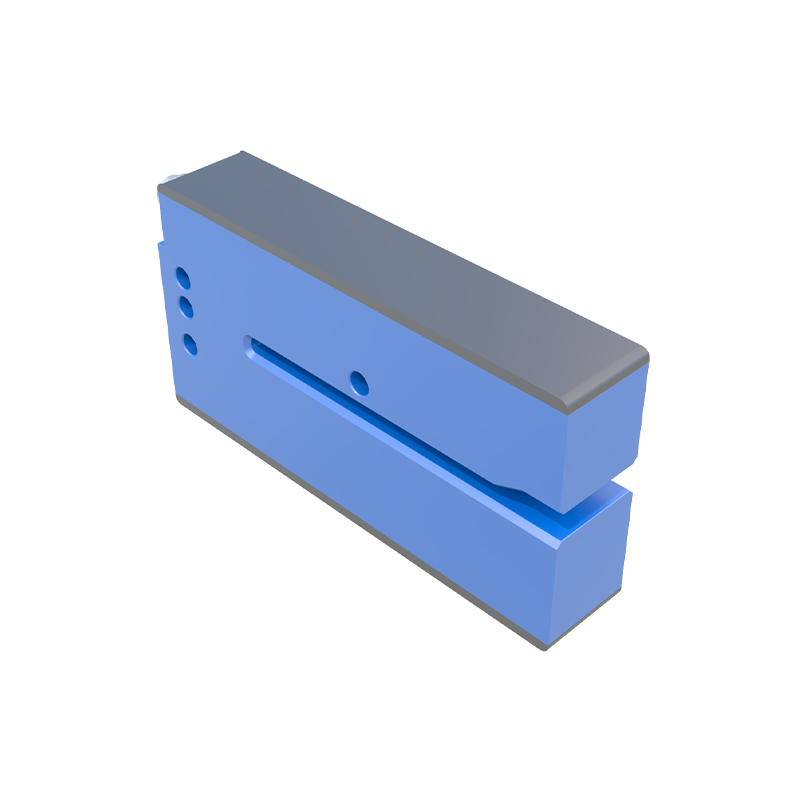
Key Features and Technical Specifications
Miles photoelectric sensors are designed with cutting-edge technology to deliver superior performance. They feature a wide detection range, from a few millimeters to several meters, depending on the model. The sensors operate on standard industrial voltages, such as 12-24V DC, and offer various output types, including NPN, PNP, and analog signals. Key specifications include IP67 protection rating, which guarantees resistance to water and dust ingress. Additionally, the sensors incorporate red or infrared LED light sources for stable detection across different surfaces, including transparent, reflective, and opaque materials.
Operating Principles and Types
Miles photoelectric sensors operate based on three primary principles: through-beam, retro-reflective, and diffuse reflection. Through-beam sensors use separate emitter and receiver units, offering the longest range and high immunity to contamination. Retro-reflective sensors combine emitter and receiver in one housing, utilizing a reflector to bounce the beam back; they are ideal for detecting opaque objects at medium distances. Diffuse reflection sensors use the target itself to reflect light; these are compact and suitable for short-range detection. Each type is optimized for specific industrial tasks, such as counting, positioning, or quality inspection.
Installation and Wiring Best Practices
Proper installation is crucial for maximizing sensor performance. Begin by selecting the correct mounting bracket and ensuring the sensor is aligned with the target path. For through-beam sensors, align the emitter and receiver precisely, avoiding obstructions. Use shielded cables to minimize electromagnetic interference, and ground the system as per manufacturer guidelines. Wiring should follow the color codes: brown for power, blue for ground, and black for output. Always test the sensor with a known target before finalizing the setup, and adjust sensitivity using the built-in potentiometer if available.
Common Applications in Industry
Miles photoelectric sensors are widely used in automated production lines, such as bottle filling, packaging, and material handling. In bottling plants, they detect bottle presence to control fill levels and capping processes. In packaging, they ensure proper sealing and label placement. For conveyor systems, these sensors monitor product flow and prevent jams. They also excel in food processing, where hygienic design prevents contamination. Their fast response time, typically under 1 millisecond, makes them suitable for high-speed applications like printing and assembly.
Troubleshooting and Maintenance Tips
To maintain sensor reliability, perform regular checks for lens contamination, such as dust or oil, and clean with a soft cloth and mild solvent. If the sensor fails to detect, verify power supply voltage and check for loose connections. Adjust the sensitivity setting if the sensor triggers false signals. In case of intermittent detection, inspect for optical misalignment or reflective surface degradation. Use diagnostic tools like test pieces or oscilloscopes to identify issues. Replace units if internal electronics are damaged, and always keep spare sensors for critical lines.
Conclusion and Future Trends
Miles photoelectric sensors provide a cost-effective and robust solution for industrial automation, enhancing efficiency and reducing downtime. As Industry 4.0 evolves, these sensors are integrating with IoT for real-time monitoring and predictive maintenance. Future models may feature enhanced connectivity, such as IO-Link, and smarter algorithms for adaptive detection. By choosing Miles sensors, engineers can future-proof their systems while maintaining high operational standards.