Introduction to Photoelectric Sensors in Industrial Automation
Photoelectric sensors are widely used in industrial automation for object detection, position sensing, and counting. However, in European and American markets, their adoption is notably lower compared to other regions like Asia. This article explores the key reasons behind this trend, focusing on technical, economic, and regulatory factors specific to these industrialized regions.
Preference for More Robust Sensor Technologies
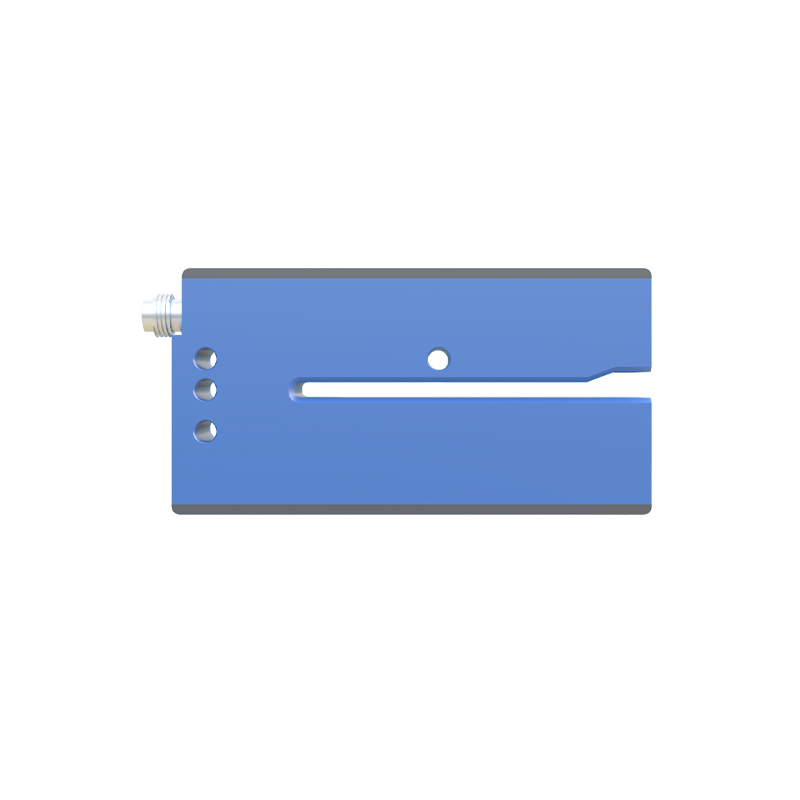
European and American industries often prioritize reliability in harsh environments. Inductive and capacitive sensors, which are immune to dust, moisture, and ambient light interference, are favored over photoelectric sensors. For example, in automotive assembly lines, inductive sensors dominate due to their metal-only detection and resistance to oil and coolant contamination. Photoelectric sensors, while versatile, require cleaner conditions and more frequent calibration, making them less suitable for heavy-duty applications.
Regulatory Standards and Compliance Challenges
Strict regulatory frameworks in the EU and US, such as IEC 61496 and UL standards, impose safety and performance requirements that photoelectric sensors may struggle to meet. For instance, machine safety directives demand fail-safe operation, which photoelectric systems often achieve through complex redundancy. In contrast, simpler technologies like mechanical limit switches or magnetic sensors offer easier compliance with lower certification costs. This regulatory burden discourages widespread adoption.
Cost-Effectiveness and Lifecycle Considerations
From a cost perspective, European and American manufacturers emphasize total cost of ownership. Photoelectric sensors, while offering long detection ranges, involve higher initial costs for optics and alignment hardware. Moreover, their sensitivity to surface reflectivity and color requires specialized adjustments, increasing installation and maintenance expenses. In many scenarios, less expensive alternatives like ultrasonic sensors or laser scanners provide equivalent performance with greater durability.
Environmental Factors in Industrial Settings
Harsh operating conditions in European and American factories, such as extreme temperatures, high humidity, and vibration, reduce the effectiveness of photoelectric sensors. For example, in food processing plants, steam and cleaning agents can fog lenses, leading to false readings. In contrast, contact-based sensors or radio-frequency identification systems maintain accuracy without optical degradation. This environmental incompatibility limits photoelectric sensor usage.
Emerging Trends and Future Outlook
Despite current limitations, advancements in photoelectric sensor technology, such as self-cleaning optics and enhanced immunity to ambient light, are gradually improving their appeal. European and American sectors, particularly logistics and packaging, are beginning to adopt these sensors for dynamic applications like conveyor sorting. However, the overall market share remains dominated by more established technologies due to proven reliability and lower risk.