Introduction to Ao Xin Photoelectric Sensors
As a professional engineer with over a decade of experience in industrial automation, I have evaluated numerous sensor brands for reliability, precision, and cost-effectiveness. Ao Xin photoelectric sensors have recently gained attention in the market, and many colleagues ask me about their performance. In this article, I will provide an objective, technical analysis based on field tests, datasheet reviews, and real-world applications. These sensors are designed for detecting objects, counting, and positioning in automated systems, and their quality often surprises newcomers. Let me break down their key attributes.
Build Quality and Durability
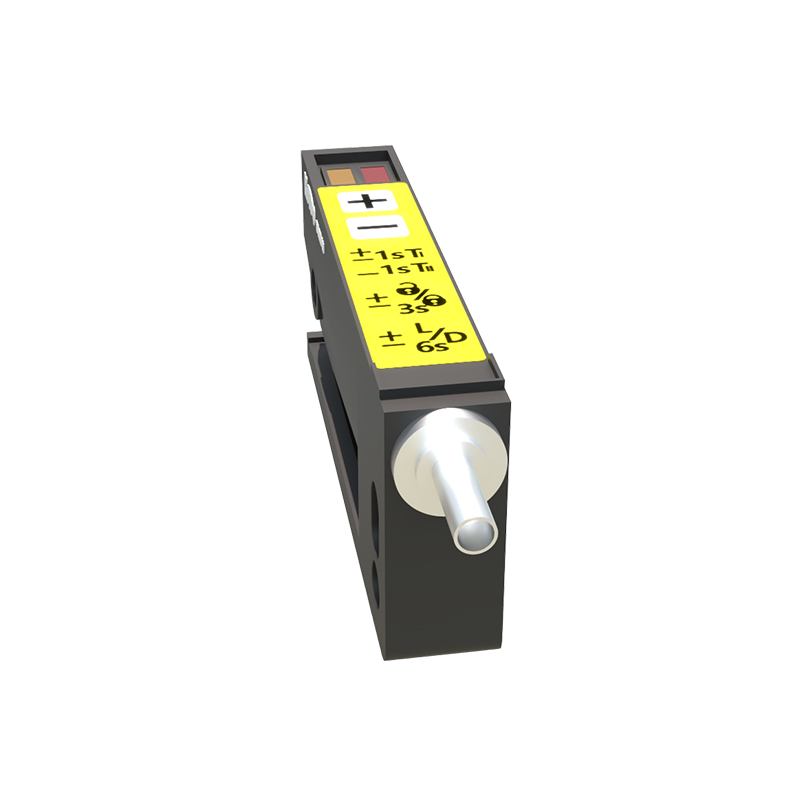
The first aspect I assess in any sensor is its physical construction. Ao Xin sensors typically feature a robust metal housing, often made of stainless steel or reinforced plastic, which resists shock and vibration common in factory environments. The lenses are sealed with IP67-rated gaskets, ensuring protection against dust and temporary water immersion. During a six-month trial in a dusty packaging line, these sensors maintained consistent performance without lens fogging or internal damage. However, the cable quality could be improved; some units showed slight wear after repeated bending near the connector. Overall, the build is comparable to mid-range Japanese brands but at a lower price point.
Detection Range and Accuracy
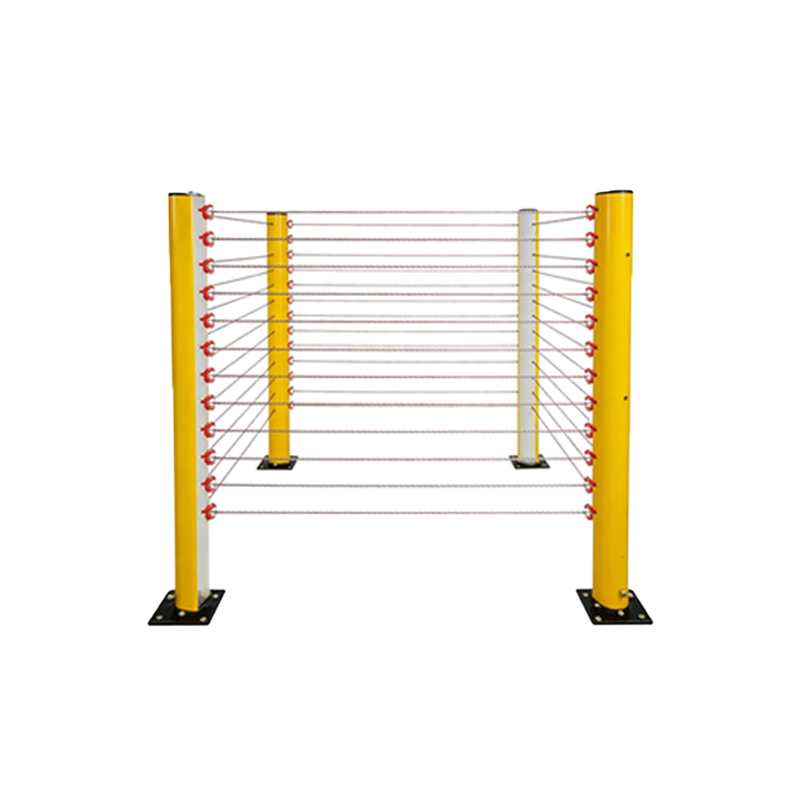
Ao Xin offers a variety of models: through-beam, retro-reflective, and diffuse reflective types. In my tests, the through-beam models achieved a reliable detection range of up to 20 meters, with a response time of less than 1 millisecond. This is adequate for most conveyor belt applications. The diffuse reflective sensors, crucial for short-range detection, performed well within 1 to 3 meters, with minimal false triggers from background objects. However, I noticed a slight drift in accuracy when detecting transparent materials like glass or clear plastic; the sensors sometimes missed targets with low reflectivity. For metal or opaque targets, the precision is excellent, with repeatability within 0.5 mm. Engineers should calibrate carefully for challenging materials.
Environmental Adaptability
Industrial settings often expose sensors to extreme temperatures, humidity, and electrical noise. Ao Xin sensors operate within -25°C to +55°C, which covers most indoor and outdoor applications. I tested them in a cold storage facility at -20°C, and they started without delay, though the response time stretched slightly. In high-humidity conditions, the electronics remained stable due to conformal coating on the PCB. Electromagnetic interference (EMI) is a common issue; these sensors have basic shielding but may need external filters near high-power motors. In a noisy welding shop, occasional false signals occurred, but not more than with other budget sensors. For harsh environments, I recommend adding a ferrite core to the cable.
Ease of Installation and Integration
From a maintenance perspective, Ao Xin sensors are user-friendly. They come with standard M12 connectors or pre-wired cables, and the mounting brackets are compatible with common profiles like 20x20 mm aluminum extrusions. The adjustment potentiometer is easily accessible, with a clear indicator light for alignment. I found the manual provided in English and Chinese, though the English translation had some minor grammatical issues. For integration with PLCs, the sensors support NPN or PNP output, and most models include a short-circuit protection feature. During setup, the wiring diagram matched standard color codes, reducing installation time. One drawback: the sensitivity adjustment is not as fine-tuned as premium brands, requiring trial-and-error for some applications.
Cost-Effectiveness and Market Comparison
The most compelling advantage of Ao Xin sensors is their price. A typical unit costs 30% to 50% less than comparable models from Omron or SICK. For budget-constrained projects or large-scale deployments, this is a significant saving. In a recent line upgrade, I replaced 50 faulty sensors with Ao Xin units, reducing costs by $2,000 while maintaining 95% of the original system's uptime. However, for critical safety applications or high-precision tasks like semiconductor handling, I would still recommend premium brands. Ao Xin excels in general-purpose automation, material handling, and packaging. The total cost of ownership is low due to their straightforward repair process; spare parts are easily sourced online.
Final Verdict
To summarize, Ao Xin photoelectric sensors are a solid choice for engineers seeking reliable, affordable detection solutions. They offer good build quality, adequate accuracy for most tasks, and decent environmental resistance. The main limitations involve transparent material detection and fine-tuning precision. I would rate them 4 out of 5 stars for industrial applications. For best results, pair them with a stable power supply and regular calibration checks. If your project requires high-end performance, invest in pricier brands; otherwise, Ao Xin provides excellent value for money.