Introduction to Reflective Micro Photoelectric Sensors
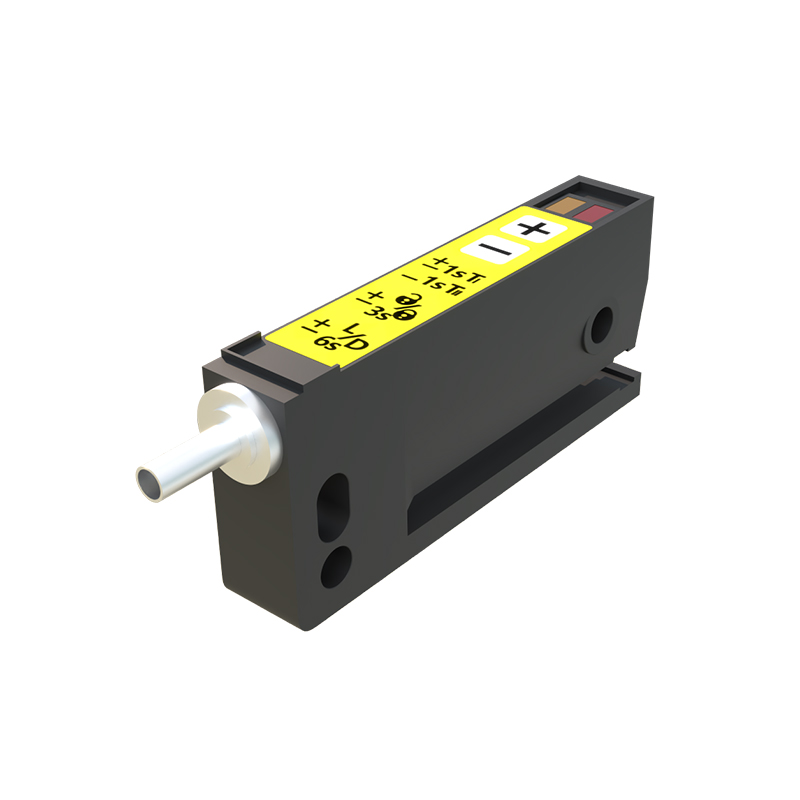
Reflective micro photoelectric sensors are compact, high-precision devices used to detect the presence or absence of objects without physical contact. They emit a beam of light, typically infrared or visible, and measure the reflected light from a target surface. In industrial automation, these sensors are essential for applications requiring space-saving solutions, such as in PCB assembly lines, robotic grippers, and conveyors. Their micro-size enables integration into tight spaces while maintaining reliable performance.
Operating Principles: Emitter and Receiver in a Single Housing
Unlike through-beam sensors that require separate units, reflective photoelectric sensors combine an emitter and receiver in one housing. The emitter projects a focused light beam onto the target. When the target reflects enough light back to the receiver, the sensor triggers a switching output. Key factors influencing performance include target surface reflectivity (e.g., white surfaces reflect up to 90% of light, while black surfaces reflect less than 10%), ambient light interference, and sensing distance. Engineers must calibrate sensitivity and offset to avoid false triggers.
Key Technical Specifications for Selection
When selecting a reflective micro sensor, consider the following parameters:
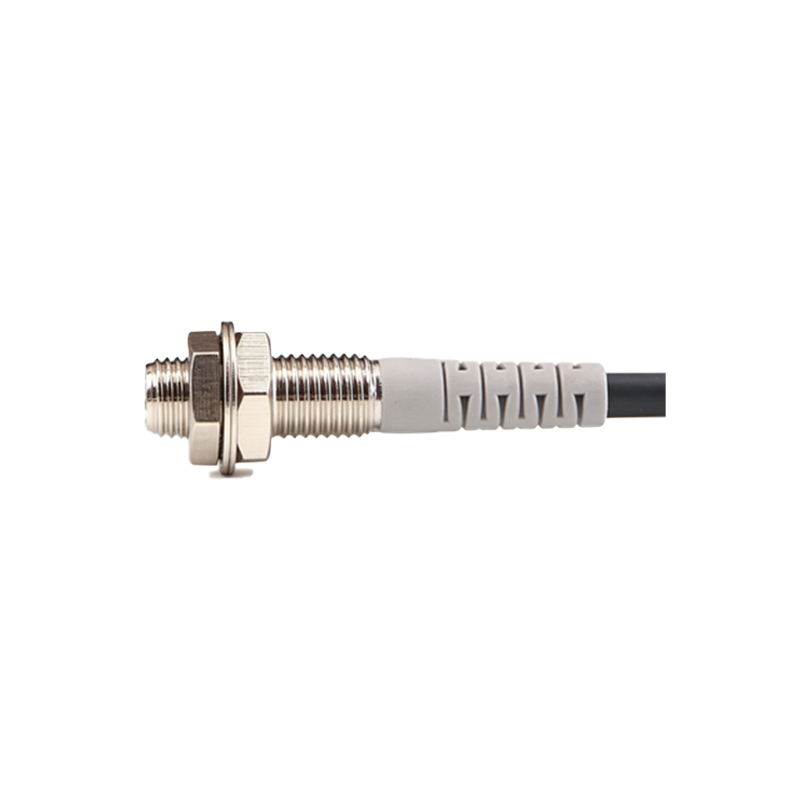
- Sensing Range: Typically from 5 mm to 300 mm for micro sensors.
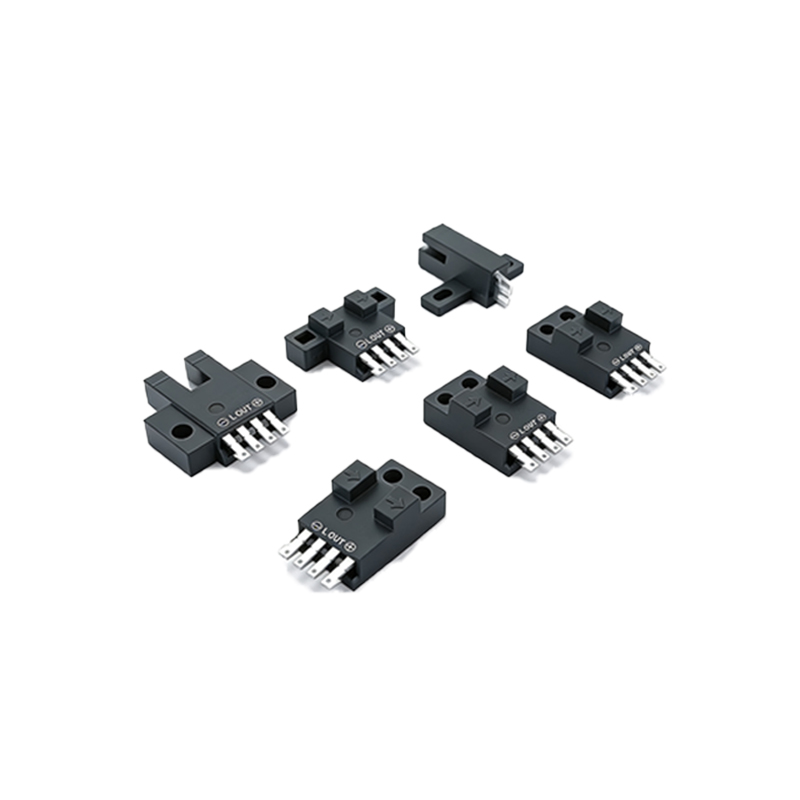
- Output Type: NPN, PNP, or analog outputs for different control systems.
- Response Time: Usually under 1 ms for high-speed applications.
- Wavelength: Common choices include 650 nm red light or 940 nm infrared for better performance on dark surfaces.
- Environmental Protection: IP67 rated housings are recommended for dusty or wet environments.
Application Examples in Industrial Automation
1. Object Detection in SMDSMT Machines: Reflective sensors confirm component placement on PCBs.
2. Paper Edge Sensing in Printers: Micro sensors detect paper presence without interfering with movement.
3. Bottle Cap Detection in Packaging: High-speed sensors ensure caps are properly sealed.
4. End-of-Arm Tooling in Robotics: Sensors verify grip strength and object positioning.
Challenges and Solutions in Implementation
Common issues include background reflection from metallic surfaces, variations in target color, and dust accumulation on the lens. Solutions include using polarizing filters to eliminate glare, selecting sensors with background suppression function, and implementing periodic cleaning protocols. For extreme conditions, fiber-optic reflective sensors offer enhanced resistance to heat and vibration.
Future Trends: Miniaturization and Smart Features
The market is moving toward nano-scale sensors with built-in IO-Link communication for real-time diagnostics. Advanced models use machine learning to adapt to changing target characteristics. Engineers should expect sensors with integrated controllers and wireless connectivity for Industry 4.0 setups.
Conclusion
Reflective micro photoelectric sensors are indispensable for modern automation. By understanding their operation, specifications, and application nuances, engineers can optimize system reliability and efficiency. Always validate sensor performance with real-world prototypes and consider environmental factors during design.