Introduction to Photoelectric Sensors in TVs
Photoelectric sensors are critical components in modern television systems, enabling precise control and enhanced user experience. These sensors convert light signals into electrical signals, allowing TVs to automatically adjust screen brightness, detect ambient light, and optimize image quality. As an electrical engineer, I emphasize that photoelectric sensors are integral to energy-efficient and smart TV designs, reducing power consumption while improving visual performance.
How Photoelectric Sensors Work in Display Systems
In television applications, photoelectric sensors typically consist of a light source, a detector, and signal processing circuitry. The sensor detects changes in light intensity, such as ambient light levels, and sends feedback to the TV’s microcontroller. This feedback triggers automatic adjustments to backlight brightness or contrast, ensuring optimal viewing in various lighting conditions. For example, in LED TVs, sensors help maintain consistent color accuracy and prevent glare.
Key Applications in Modern TVs
Photoelectric sensors are widely used for automatic brightness control (ABC), ambient light sensing, and proximity detection. In smart TVs, these sensors enable features like adaptive picture modes that adjust based on room lighting, reducing eye strain. Additionally, they support energy-saving modes by dimming the screen when no viewer is detected, aligning with industry standards for sustainability. High-end models also use sensors for gesture control and automatic screen-off functions.

Technical Benefits and Performance Metrics
From an engineering perspective, photoelectric sensors offer high sensitivity, fast response times, and low power consumption. Typically, sensors operate in the visible to near-infrared spectrum, with response times under 1 millisecond. This ensures real-time adjustments without visible lag. Their reliability is measured by parameters like dark current, linearity, and temperature stability, which are crucial for consistent performance over the TV’s lifespan. Proper sensor placement and calibration prevent interference from internal light sources.
Integration Challenges and Solutions
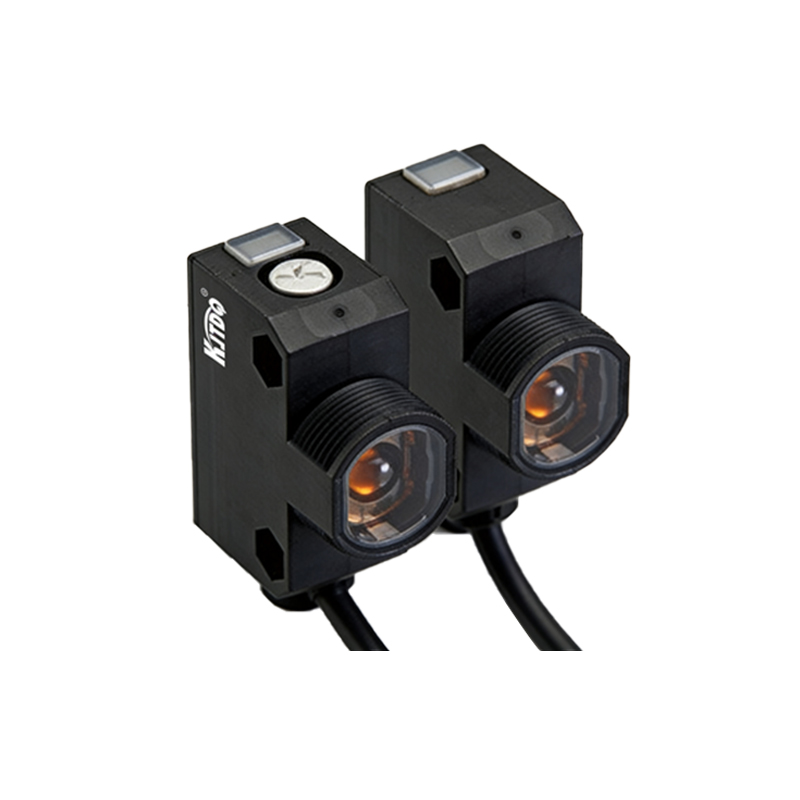
Integrating photoelectric sensors into TV designs presents challenges, such as ambient light interference and signal noise. Engineers mitigate these issues through optical filters, shielding, and advanced signal processing algorithms. For instance, using digital filters can separate desired light signals from noise, ensuring accurate readings. Additionally, sensor placement near the screen edge or bezel minimizes obstruction from the display’s own light output. Thermal management is also critical, as heat from the backlight can affect sensor accuracy.
Future Trends in Photoelectric Sensor Technology
Advancing technology is driving innovations like multi-spectral sensors and integrated photonic circuits. Future TVs may incorporate sensors that detect both visible and infrared light for enhanced gesture recognition and health monitoring. The trend toward thinner, bezel-less designs requires miniaturized sensors with flexible packaging. Moreover, AI-driven algorithms will enable predictive adjustments, learning user preferences over time. As an engineer, I foresee these sensors playing a pivotal role in next-generation interactive and energy-efficient displays.