What Is Photoelectric Sensor D?
In the field of industrial automation and electrical engineering, the term "Photoelectric Sensor D" often refers to a specific model or series of photoelectric sensors designed for precise detection. These sensors use light beams to detect the presence, absence, or distance of objects. The "D" may denote a variant with enhanced features, such as longer sensing range, faster response time, or immunity to ambient light. Typically, it operates on the principle of modulating light emission and reception, ensuring reliable performance in harsh environments. Engineers commonly employ these sensors in conveyor systems, packaging lines, and robotic guidance.
Working Principle of Photoelectric Sensor D
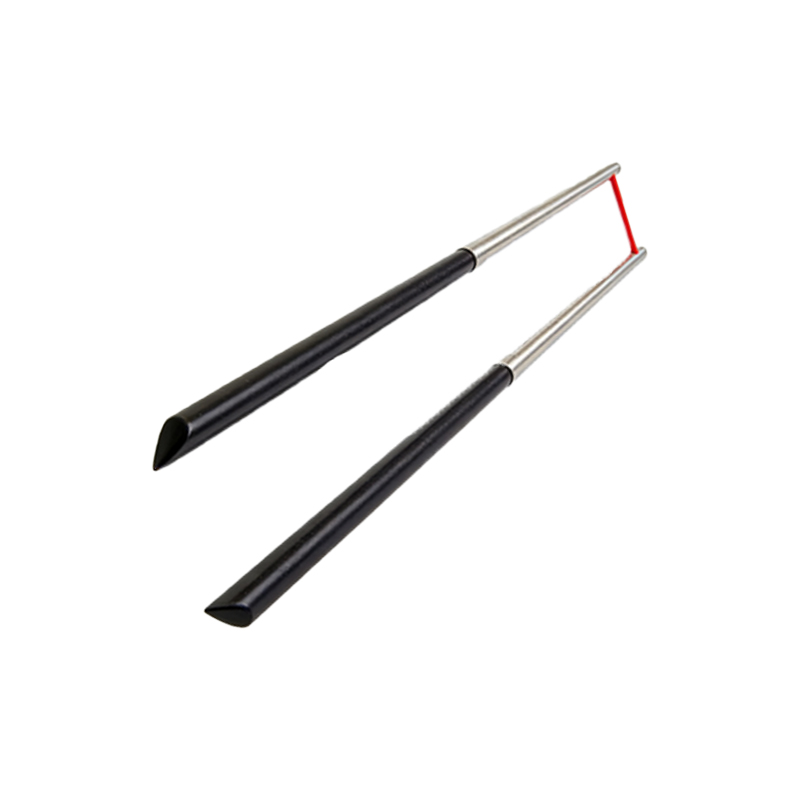
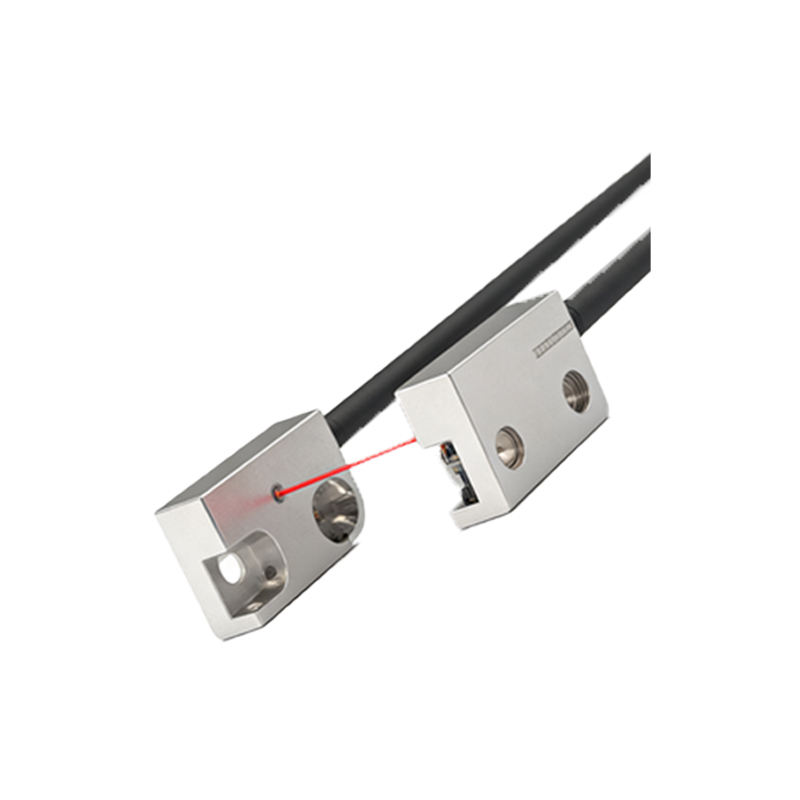
The core operation of a Photoelectric Sensor D relies on a transmitter and receiver pair. The transmitter emits a modulated light beam, often infrared or visible red, while the receiver detects changes in the beam caused by an object. The "D" variant likely incorporates advanced circuitry to filter out noise and false triggers. It can function in three primary modes: through-beam, retro-reflective, and diffuse. In through-beam mode, the object interrupts the light path; in retro-reflective mode, a reflector redirects the beam; and in diffuse mode, the object itself reflects the light back. This flexibility makes it suitable for diverse applications.
Key Technical Specifications
When selecting a Photoelectric Sensor D, key parameters include sensing distance (typically up to 20 meters in through-beam), output type (NPN or PNP), supply voltage (commonly 10-30V DC), and protection rating (IP67 for dust and water resistance). The response time is often under 1 millisecond, enabling high-speed detection. Additionally, the sensor may feature adjustable sensitivity via a potentiometer or digital interface. Engineers must consider the target material and color, as transparent or dark objects can reduce detection reliability. The "D" series often includes background suppression technology to ignore distant reflections.
Installation and Alignment Tips
Proper installation of a Photoelectric Sensor D is critical for optimal performance. Ensure the sensor and target are aligned within the specified beam angle (e.g., ±5 degrees). Use damped mounting brackets to minimize vibration effects. For through-beam models, verify that the transmitter and receiver are directly facing each other. In retro-reflective setups, avoid obstructions near the reflector. Electrical connections should follow standard color codes: brown for positive, blue for negative, and black for output. Test with a sample object before full deployment to calibrate sensitivity.
Common Applications in Industry
Photoelectric Sensor D excels in automated manufacturing. Examples include detecting product presence on conveyor belts, counting parts in assembly lines, and verifying package orientation. In automotive plants, these sensors monitor component positions during welding or painting. They are also used in logistics for sorting and palletizing. The robust design allows operation in dusty or wet conditions, such as food processing facilities. For safety-critical tasks, pair the sensor with a controller to initiate emergency stops.
Troubleshooting and Maintenance
Common issues with Photoelectric Sensor D include false triggering due to stray light, alignment drift, or lens contamination. Clean the lens with a lint-free cloth and isopropyl alcohol. Check power supply stability and ground connections. If the output remains constant, verify the target is within the sensing range. For intermittent failures, inspect cables for damage. The "D" series often includes diagnostic LEDs to indicate status: green for power, yellow for detection. Replace worn units promptly to avoid production downtime.