Introduction to Through-Beam Photoelectric Sensors
Through-beam photoelectric sensors are a fundamental type of industrial sensor used for object detection, presence verification, and position monitoring. They consist of two separate units: an emitter that projects a continuous beam of light (typically infrared or visible red) and a receiver that detects this light. The sensor operates on a simple principle: when an object interrupts the light beam between the emitter and receiver, the receiver signals a change in output state. This design ensures high reliability and long detection ranges, making them ideal for harsh environments where dust, fog, or vibration might affect other sensor types.
Key Components and Optical Design
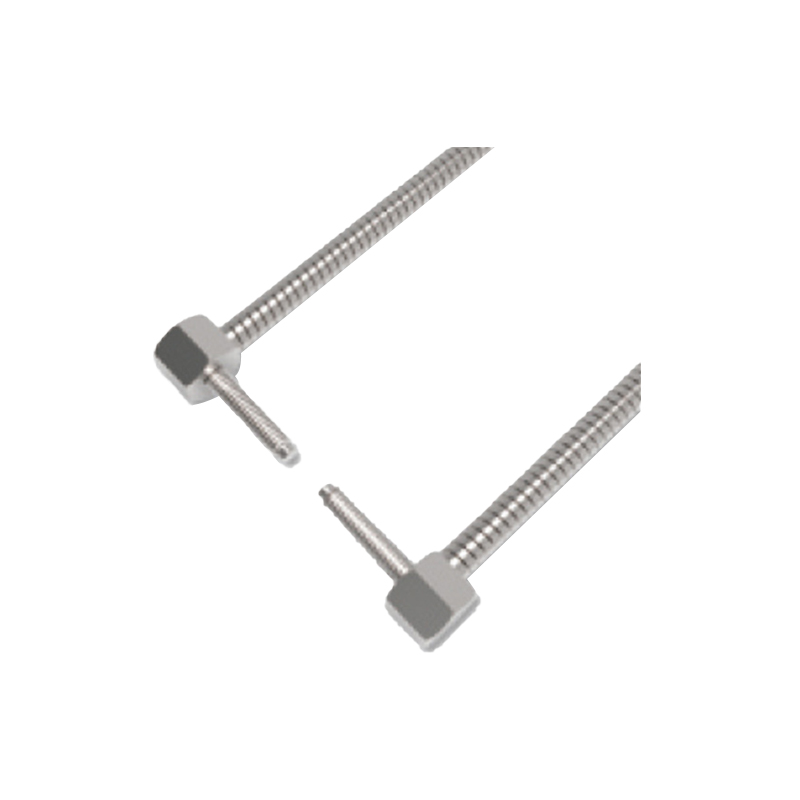
The emitter unit houses a light source, often an LED or laser diode, which is modulated at a specific frequency to reject ambient light interference. The receiver contains a photodiode or phototransistor tuned to the same frequency. The optical path is carefully aligned using lenses or fiber optics to create a narrow, collimated beam. This configuration minimizes beam divergence, allowing detection over distances from a few centimeters to over 100 meters. The housing is typically made from rugged materials like stainless steel or polycarbonate, with IP67 or higher ratings for dust and water resistance.
Operation Modes and Output Types
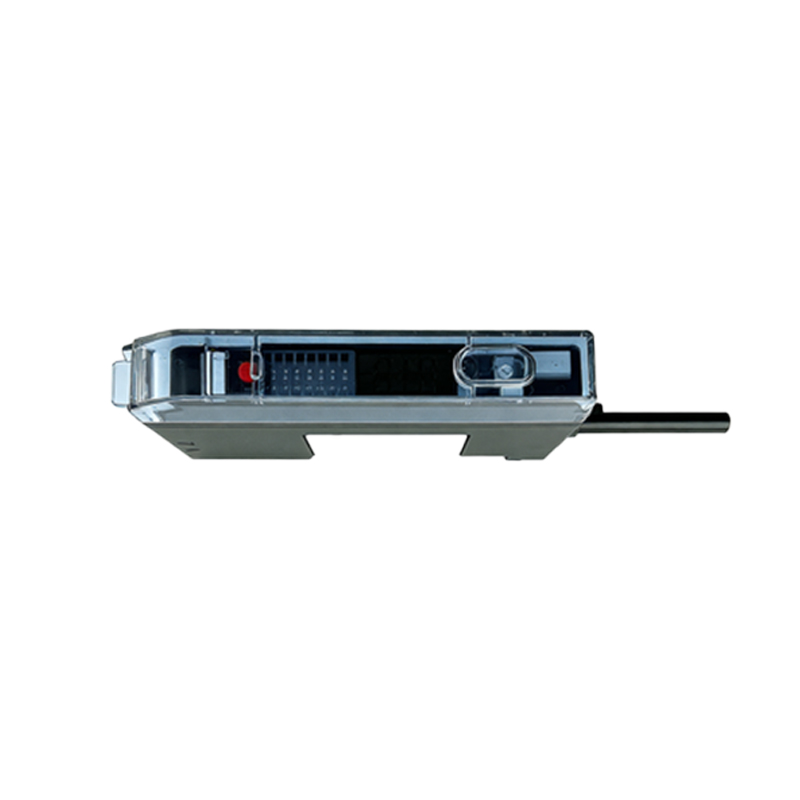
In standard operation, the sensor output is normally closed (NC) when the beam is uninterrupted. When an object blocks the beam, the output opens (NO). Many models offer programmable outputs, including PNP, NPN, or analog signals, for compatibility with PLCs and automation systems. Some advanced versions include time-delay functions or sensitivity adjustments to handle transparent or reflective objects. The light modulation also enables synchronization for multiple sensors in close proximity, preventing cross-talk.
Advantages Over Diffuse and Retro-Reflective Sensors
Through-beam sensors provide the highest immunity to environmental contaminants because the emitter and receiver are physically separated. Unlike diffuse sensors, which rely on reflection from the target, through-beam sensors do not require a reflective surface or specific target color. They also offer a longer detection range and more precise beam alignment, reducing false triggers from stray light or dust particles. This makes them preferable for applications like conveyor belt monitoring, counting mechanisms, and safety light curtains.
Typical Industrial Applications
These sensors are widely used in automotive assembly lines for detecting part presence, in packaging systems for counting bottles or boxes, and in warehouse logistics for pallet positioning. In the food and beverage industry, through-beam sensors monitor bottle fill levels or cap placement. They also serve as safety devices in automated machinery, creating a protective light curtain that stops operation when a person or object enters a hazardous zone. For outdoor use, they can detect vehicle presence at toll booths or entry gates.
Installation and Alignment Considerations
Proper alignment is critical for through-beam sensors. The emitter and receiver must be positioned with their optical axes within a few degrees of each other. Many models include built-in alignment aids like visible red light or LED indicators for signal strength. Mounting brackets should be rigid to prevent vibration misalignment. For long-range applications, additional protection from sun glare or rain may be needed using filters or shrouds. Cabling should follow noise immunity practices, using shielded cables and avoiding high-voltage lines.
Maintenance and Troubleshooting Tips
Regularly clean the lens surfaces with a soft cloth to remove dust or oil buildup. Check the beam alignment if false triggers occur, especially after maintenance activities. Use a test piece to verify the sensor's response time and output logic. Common issues include LED degradation over time, which reduces beam intensity, or misalignment due to thermal expansion. Keep spare units calibrated and test them periodically in simulated conditions.
Future Trends in Through-Beam Sensor Technology
Recent advancements include integrating IO-Link communication for real-time diagnostics and parameter configuration, as well as using laser diodes for sub-millimeter precision in micro-positioning applications. Smart sensors with self-calibration and networked data logging are emerging for Industry 4.0 setups. Additionally, multi-beam arrays are being developed for 3D object profiling and area scanning, expanding the role of through-beam sensors beyond simple presence detection.