Introduction to Four-Frequency Photoelectric Sensors
In the realm of industrial automation and precision sensing, the four-frequency photoelectric sensor stands out as a highly versatile and robust solution. Unlike traditional single-frequency sensors, this advanced device operates across four distinct optical frequencies, enabling superior detection capabilities in challenging environments. By leveraging multiple wavelengths, it effectively mitigates interference from ambient light, dust, and surface reflections, ensuring reliable performance in manufacturing lines, packaging systems, and material handling processes.
Key Operating Principles
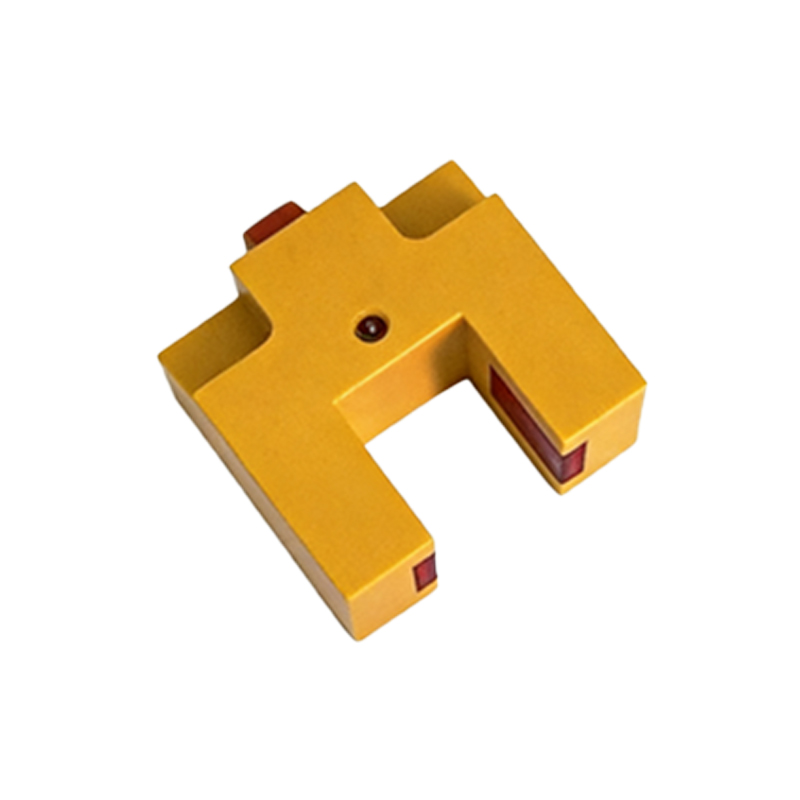
The four-frequency photoelectric sensor employs a modulated light source that alternates between four pre-selected frequencies. This design reduces false triggers caused by extraneous light sources or overlapping signals from multiple sensors. The receiver unit is tuned to synchronize with the transmitter’s frequency hopping pattern, allowing it to distinguish the target signal from noise. This frequency diversity technique is particularly beneficial in high-density sensor installations, where cross-talk between devices can be problematic.
Advantages Over Conventional Sensors
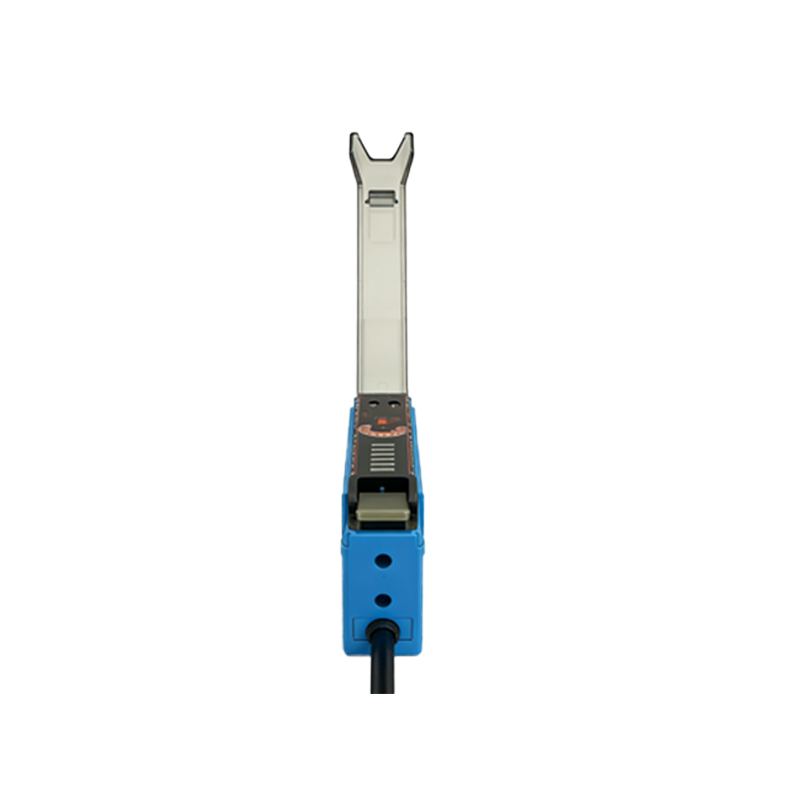
Enhanced stability is a primary benefit. The multi-frequency approach compensates for variations in target surface texture, color, and reflectivity. For instance, when detecting shiny metal objects or transparent materials, a single-frequency sensor may struggle due to specular reflections or light transmission. The four-frequency variant, however, can select the optimal frequency for the given material, improving detection accuracy. Additionally, it offers greater immunity to electromagnetic interference, making it suitable for use near motors, inverters, and welding equipment.
Common Applications in Industry
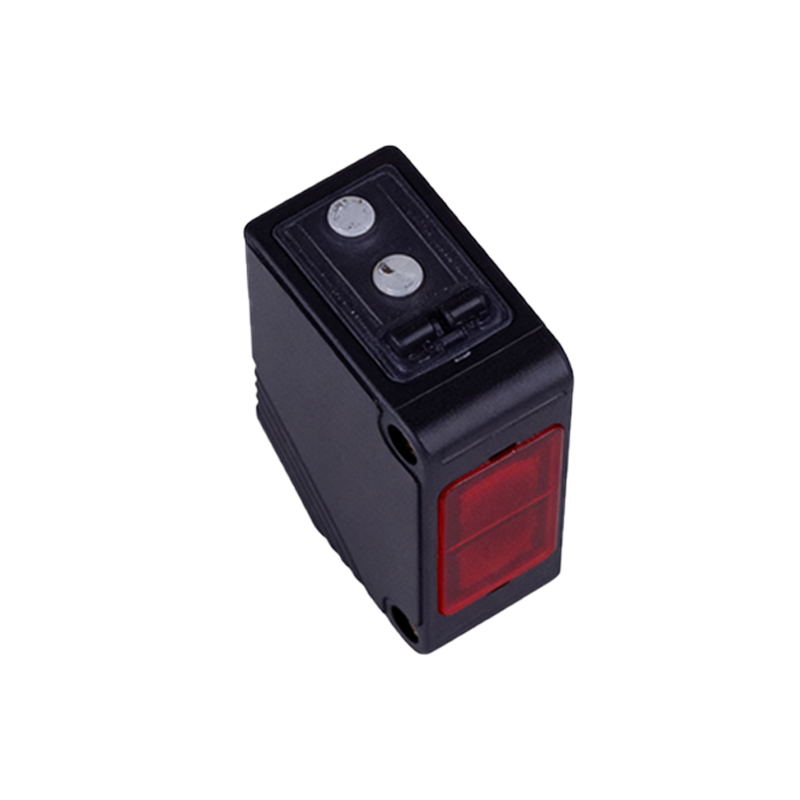
These sensors are widely deployed in automated assembly lines for part presence verification, in logistics for sorting and counting packages, and in the automotive industry for detecting components like brake discs or glass panels. They are also ideal for food and beverage processing, where hygiene demands require sealed housings and reliable detection of containers through steam or condensation. In the pharmaceutical sector, they ensure precise bottle filling and capping operations without contact.
Installation and Calibration Guidelines
Proper installation is critical. Mount the sensor away from direct sunlight or intense artificial lighting. Use shielding if necessary. Calibration involves setting the sensitivity for each of the four frequencies based on the target’s characteristics. Many modern sensors feature auto-calibration routines that scan the environment and select the best frequency combination. Regularly check alignment and clean the lens to maintain peak performance in dusty or oily environments.
Future Trends and Developments
The evolution of four-frequency photoelectric sensors is moving toward integration with IoT platforms for predictive maintenance and real-time diagnostics. Advanced models now incorporate digital communication protocols like IO-Link, allowing parameter adjustments via a control network. Furthermore, miniaturization and reduced power consumption are expanding their use in mobile robotics and battery-operated devices. As industrial automation demands higher precision and adaptability, these sensors will continue to play a pivotal role.