Understanding the Role of a Factory-Authorized Distributor
In the industrial automation sector, photoelectric sensors are critical components for object detection, position sensing, and quality control. A factory-authorized distributor acts as a direct bridge between the manufacturer (OEM) and end-users. Unlike generic resellers, these distributors provide genuine products, technical support, warranty coverage, and often, customized solutions. For engineers, selecting an authorized channel is not just about cost—it ensures reliability, long-term availability, and compliance with industry standards such as CE, UL, or RoHS.
Key Benefits of Working with an Authorized Photoelectric Sensor Supplier
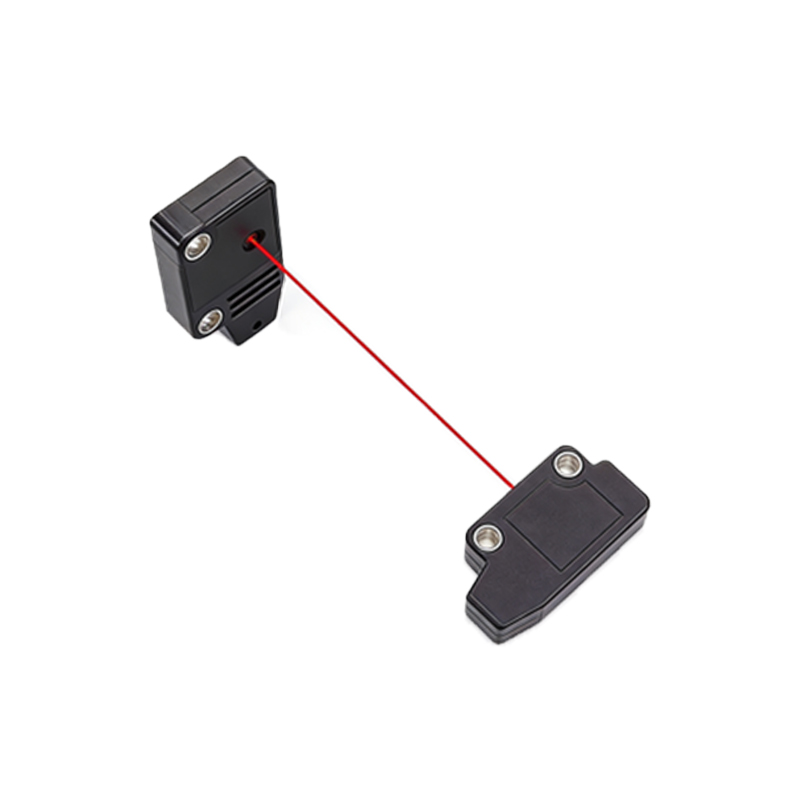
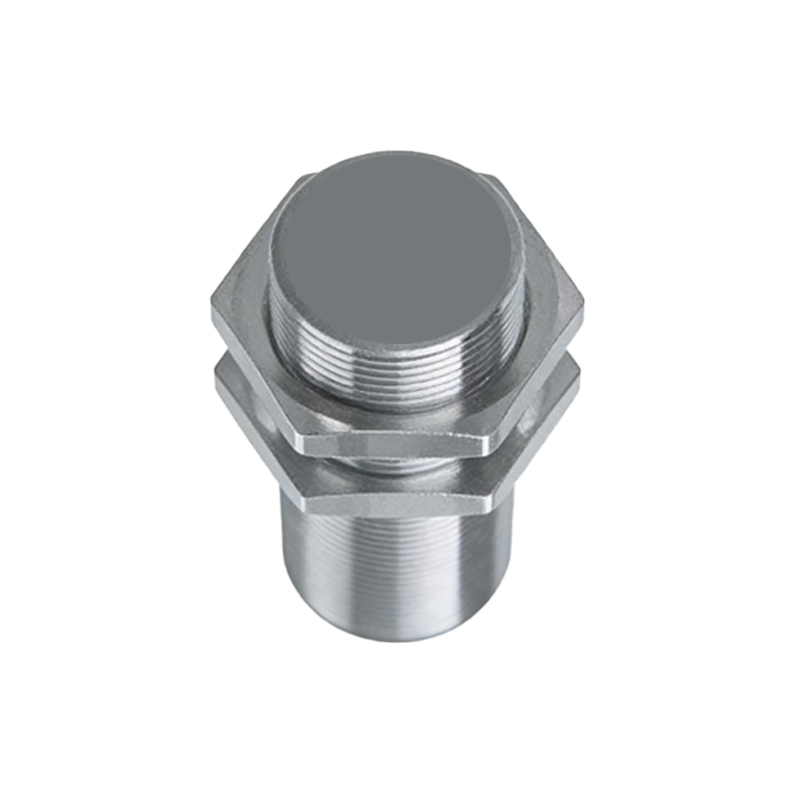
Partnering with an authorized distributor offers several advantages. First, you gain access to the latest product lines, including advanced laser sensors, fiber optic amplifiers, and background suppression models. Second, they provide application engineering services to help you select the correct sensing range, output type (PNP/NPN), and housing material (e.g., stainless steel for harsh environments). Third, they ensure traceability and counterfeit protection, which is vital for systems requiring high uptime. Many authorized distributors also maintain local inventory, reducing lead times for urgent replacements.
Evaluating Distributor Technical Expertise and Support
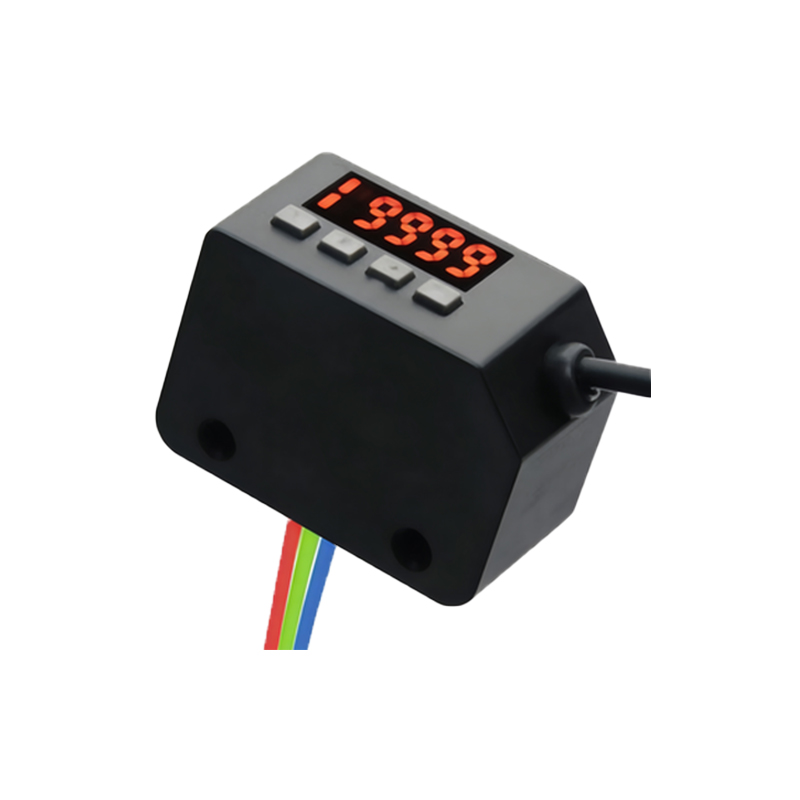
A competent distributor should demonstrate deep technical knowledge of sensor specifications such as sensing distance, response time, and ambient light immunity. Look for distributors that offer on-site demonstrations, sample testing, and integration assistance. For example, if you need a sensor for a dusty conveyor line, they should recommend models with high ingress protection (IP67 or higher) and anti-dust optics. Additionally, check if they provide training webinars or documentation on troubleshooting common issues like cross-talk or reflective interference.
Logistics, Inventory, and After-Sales Service
Efficient logistics are key to minimizing production downtime. A reliable distributor should have a robust supply chain with multiple warehousing locations. Inquire about their return policies, warranty duration (typically 1-3 years), and repair services. Some authorized partners offer consignment stock or vendor-managed inventory (VMI) programs. For global operations, ensure they can support international shipping and handle customs documentation. Prompt after-sales support, including hotline assistance for sensor calibration or parameter adjustments, is a must.
Making the Final Selection: Checklist for Engineers
To finalize your choice, create a checklist: (1) Verify the distributor’s authorization certificate directly from the OEM. (2) Compare pricing against MSRP to ensure fairness. (3) Request a list of reference clients in your industry (e.g., automotive, packaging, or food processing). (4) Test their response time via email or phone for a technical query. (5) Evaluate their online portal for easy ordering, datasheet downloads, and CAD file access. By following this structured approach, you can secure a long-term partnership that enhances your automation system’s performance and reliability.