Introduction to Polarized Photoelectric Sensors
Polarized photoelectric sensors are essential components in modern industrial automation, designed to detect objects by utilizing polarized light. Unlike standard photoelectric sensors, these devices incorporate filters to eliminate false signals caused by reflective surfaces, ensuring reliable detection in challenging environments. The core principle involves emitting polarized light and analyzing its reflection or interruption, making them ideal for applications requiring high precision and immunity to interference.
How Polarized Light Works in Sensor Technology
The fundamental mechanism relies on the manipulation of light waves. In a polarized photoelectric sensor, a light source, typically an LED, emits unpolarized light. This light passes through a polarizing filter, which aligns the light waves in a single plane, creating polarized light. When this polarized beam encounters an object, the sensor’s receiver, equipped with a second polarizer (crossed at 90 degrees), detects changes in light intensity or orientation. The key is that only retroreflective targets or specific surfaces can properly reflect polarized light back to the receiver, while glossy or mirror-like surfaces scatter it, preventing false triggering.
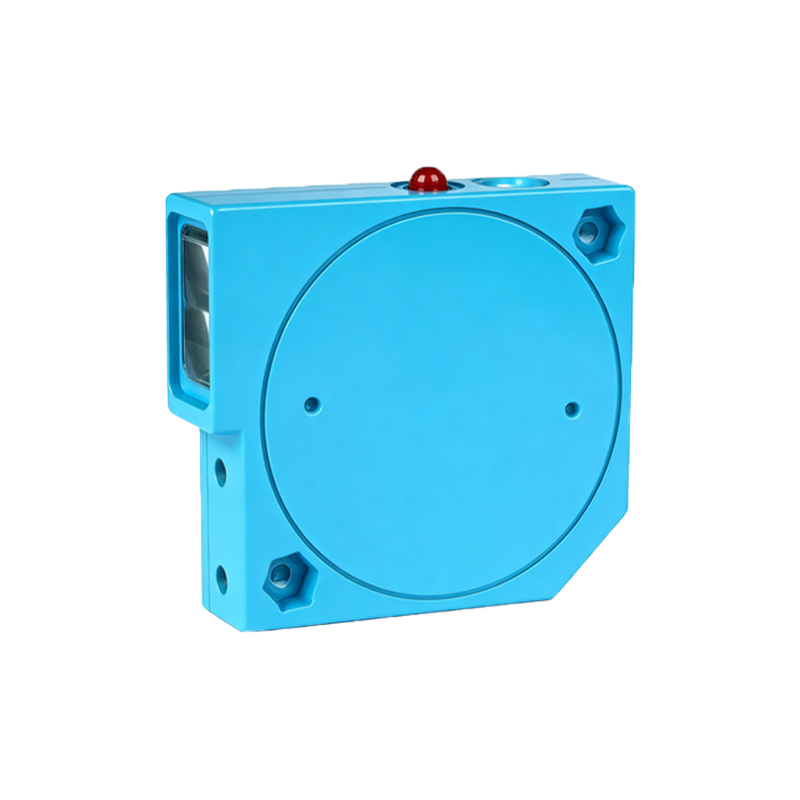
Key Components and Their Functions
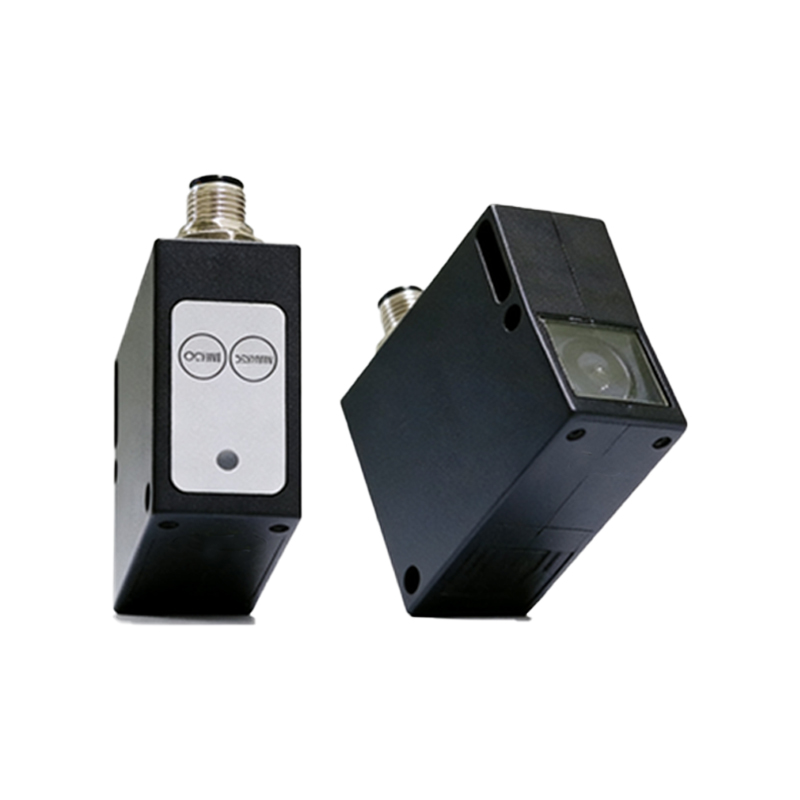
A typical polarized photoelectric sensor consists of three main parts: the emitter, the receiver, and the control circuitry. The emitter houses a light source and a polarizing filter to generate polarized light. The receiver includes a second polarizing filter (analyzer) and a photodetector, such as a photodiode or phototransistor. The control circuit processes the electrical signal from the photodetector, determining if the light is received or blocked. In through-beam or retroreflective setups, the sensor’s ability to distinguish between polarized and non-polarized light is critical for accurate object detection.
Principle of Operation in Different Modes
Polarized photoelectric sensors operate in three primary modes: through-beam, retroreflective, and diffuse. In the through-beam mode, the emitter and receiver are separate; the polarized light is sent directly to the receiver, and an object interrupts the beam. The retroreflective mode uses a reflector to bounce the polarized light back to the sensor; when an object blocks the beam, detection occurs. The diffuse mode relies on the target’s surface to scatter polarized light back to the sensor, but this requires careful alignment to avoid false readings from shiny surfaces. The polarizing filters are most effective in retroreflective mode, where they prevent false signals from reflective objects like mirrors.
Advantages Over Standard Photoelectric Sensors
The primary advantage of polarized photoelectric sensors is their immunity to interference from highly reflective surfaces, such as polished metal or glass. Standard sensors can be fooled by these materials, leading to false triggers. Polarized sensors also offer improved accuracy in dirty or dusty environments, as the polarized light can penetrate some contaminants better than non-polarized light. Additionally, they provide longer sensing ranges and reduced maintenance, making them cost-effective for industrial applications like packaging, material handling, and conveyor systems.
Common Applications in Industrial Settings
Polarized photoelectric sensors are widely used in manufacturing lines for detecting transparent or shiny objects, such as bottles, cans, and plastic films. They are also employed in automated guided vehicles (AGVs) for obstacle detection, and in warehouse systems for item counting. Their reliability in harsh conditions, including high humidity or temperature extremes, makes them suitable for food processing and pharmaceutical industries. Engineers often choose these sensors for applications where standard sensors would fail due to reflective interference.
Troubleshooting and Maintenance Tips
To ensure optimal performance, regularly clean the sensor lenses and polarizing filters to remove dust or oil. Check the alignment between emitter, receiver, and reflector, as misalignment can cause false signals. If intermittent detection occurs, verify that the target’s surface is not too reflective for the sensor’s polarizing capability. For retroreflective setups, ensure the reflector is clean and properly oriented. Understanding these factors helps maintain system reliability in continuous operation.
Conclusion: The Future of Polarized Sensing
Polarized photoelectric sensors remain a cornerstone of industrial sensing technology, offering a robust solution for detection challenges. As automation evolves, these sensors are becoming more integrated with smart systems, featuring digital outputs and diagnostic capabilities. Engineers should consider their benefits for any application requiring high reliability in the presence of reflective surfaces. By mastering the principle of polarized light, industries can achieve greater efficiency and accuracy in their processes.