Introduction to Square Photoelectric Sensor Housing
Square photoelectric sensor housings are a critical component in industrial automation, providing robust protection and precise alignment for sensing modules. Unlike cylindrical designs, square housings offer superior mounting stability and space efficiency, especially in flat-panel applications. These enclosures must withstand harsh environments, including dust, moisture, vibration, and temperature extremes, while maintaining optical accuracy. Engineers prioritize material selection, sealing integrity, and thermal management to ensure consistent performance in manufacturing lines, packaging machinery, and robotics.
Material Selection for Durability and Reliability
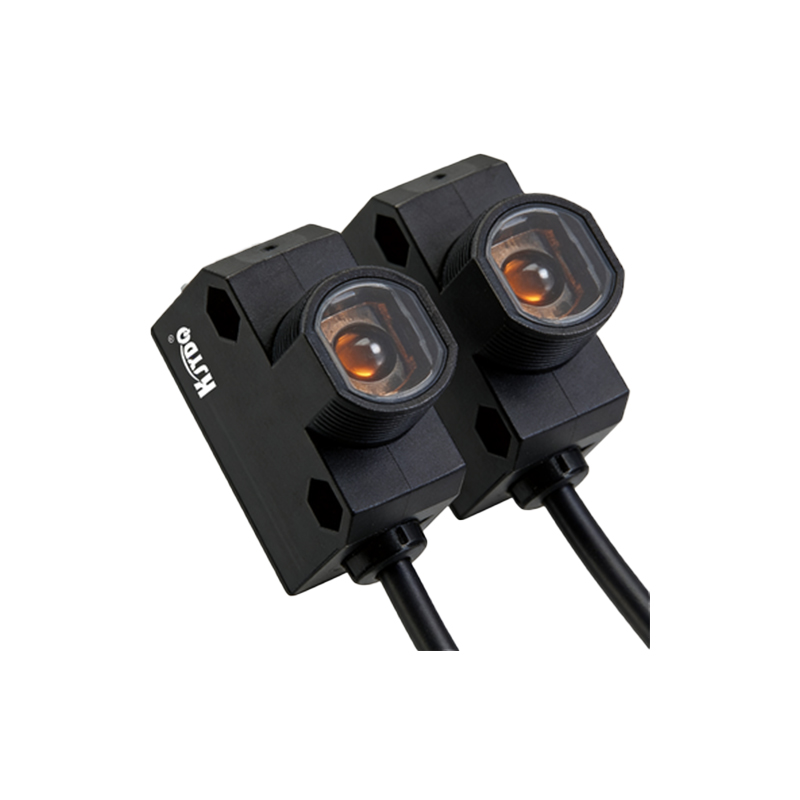
Common materials include reinforced polycarbonate, ABS plastics, and die-cast aluminum. Polycarbonate housings are lightweight and resistant to impact, making them ideal for high-vibration settings. ABS offers cost-effectiveness and good chemical resistance, suitable for dry indoor use. Die-cast aluminum provides superior heat dissipation and electromagnetic shielding, essential for sensors near motors or power electronics. Surface treatments like anodizing or nickel plating enhance corrosion resistance. For extreme environments, stainless steel variants ensure longevity in food processing or marine applications. Each material is tested for UV stability and flammability to meet UL 94 and IP ratings.
Design Considerations for Optical Performance
The housing's geometry directly affects the sensor's detection range and accuracy. Square profiles allow for wider mounting surfaces, enabling multiple sensor arrays in tight spaces. Precision-molded lens windows must be optically clear and scratch-resistant, often using polycarbonate or glass with anti-reflective coatings. Internal baffles and light pipes prevent cross-talk and stray light interference. The housing design also incorporates alignment features like threaded inserts or dovetail slots for easy calibration. Finite element analysis (FEA) is commonly used to optimize stress distribution and minimize warping during thermal cycling.
Sealing and Ingress Protection Standards
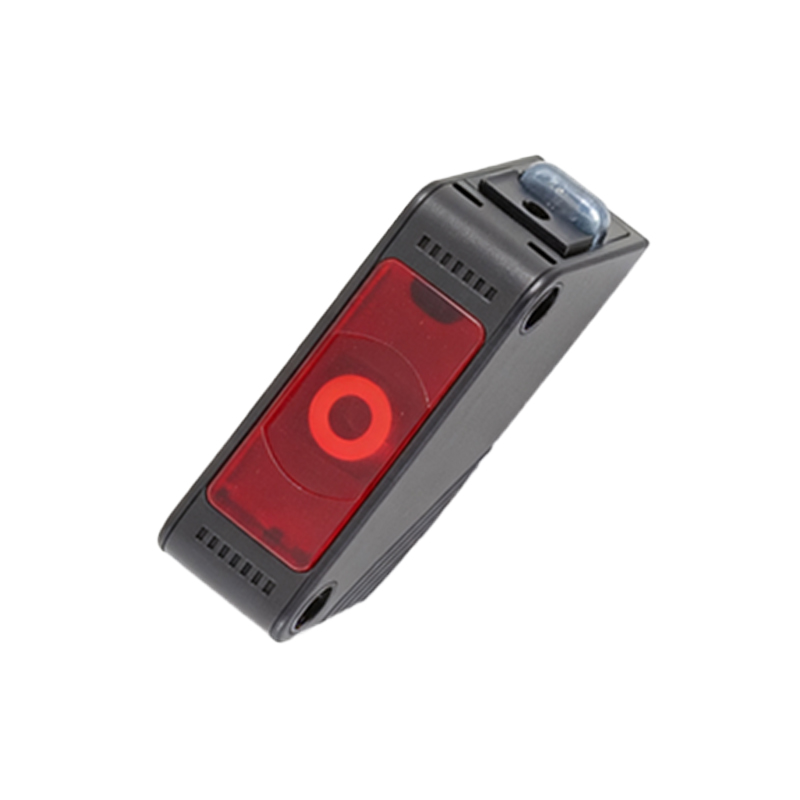
Industrial sensors must comply with IP67 or higher ratings, meaning complete dust-tightness and temporary water immersion capability. Square housings utilize compression gaskets, O-rings, or ultrasonic welding to achieve these seals. The interface between the housing and cable entry points often includes strain relief glands with double-seal designs. For washdown environments, housings may include drainage channels or hydrophobic coatings to prevent fluid accumulation. Proper sealing extends sensor lifespan and reduces false triggers caused by condensation.
Thermal Management and Electronic Integration
Square housings often integrate heat sinks or ventilation slots to dissipate heat from internal electronics, such as photodiodes, amplifiers, and microcontrollers. Thermal simulation helps identify hot spots, leading to strategic placement of thermal pads or metal inserts. Some advanced designs incorporate potting compounds to protect circuitry from shock and moisture while aiding heat transfer. The housing must also accommodate PCB layouts with minimal clearance, ensuring electromagnetic compatibility (EMC) through grounded metal inserts or conductive coatings.
Mounting Flexibility and Installation Efficiency
Standard square housings feature symmetrical mounting holes, slot brackets, or rail clips for quick integration into existing systems. Quick-release mechanisms allow tool-free removal for maintenance. The housing's flat surfaces enable direct mounting on conveyor frames or robotic arms without additional adapters. For retrofit applications, modular housing designs with interchangeable front caps simplify lens changes. Vibration-resistant locking hardware, such as captive screws or spring clips, ensures long-term alignment in dynamic environments.
Industry Applications and Case Studies
In automotive assembly lines, square sensors detect part presence in tight body-in-white stations, where aluminum housings withstand welding sparks. Food packaging facilities use polycarbonate housings with IP69K ratings for high-pressure hot-water washdowns. In logistics, arrays of square sensors monitor package flow on sorters, benefiting from the housing's flat profile for side-mounting. Performance data shows a 40% reduction in false triggers when using anti-reflective coated windows versus standard glass. These examples underscore how housing design directly impacts system uptime and productivity.