2026-04-26
Tech Hub
By 创始人
How Photoelectric Sensors Revolutionize Traffic Flow Detection in Modern Highways
Introduction to Photoelectric Sensors in Traffic Management
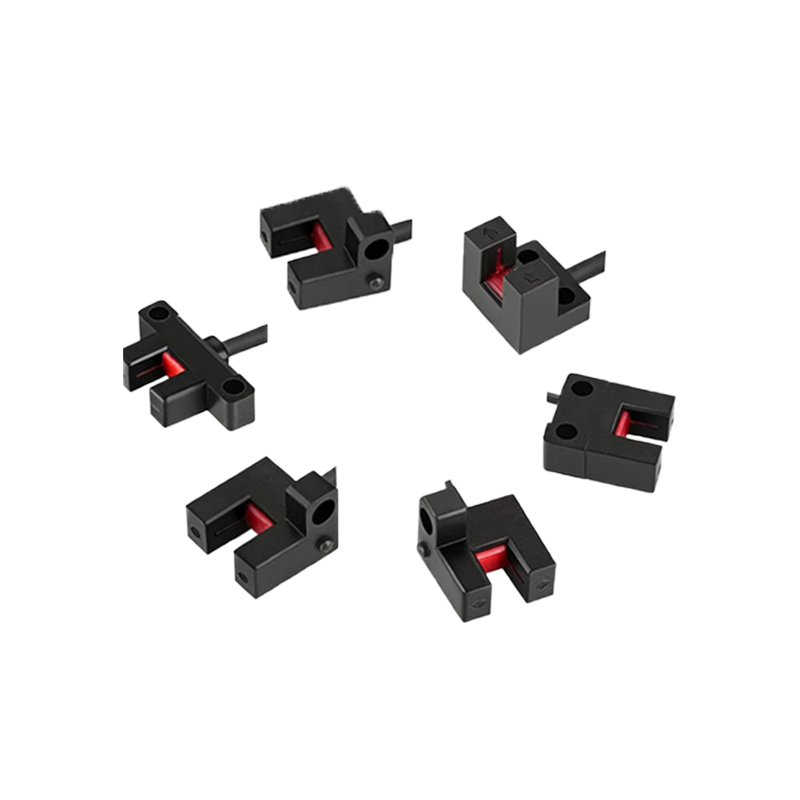
Photoelectric sensors have become a cornerstone in intelligent traffic systems, offering non-contact detection of vehicles by using light beams. These sensors, typically comprising an emitter and a receiver, can accurately count, classify, and monitor vehicle flow in real-time. Unlike inductive loop detectors, they are less invasive to install and more resistant to environmental wear, making them ideal for high-traffic highways and urban intersections. By leveraging infrared or visible light, they can operate reliably under various weather conditions, including rain, fog, and nighttime, ensuring continuous traffic data collection.
How Photoelectric Sensors Detect Vehicle Flow
The core mechanism relies on the interruption or reflection of a light beam when a vehicle passes through the sensor’s detection zone. In through-beam models, a vehicle breaks the continuous light path between emitter and receiver, triggering a signal. In retro-reflective models, the sensor emits a beam that bounces off a reflector, and a vehicle disrupts this reflection. This change is instantly converted into an electrical pulse, which is then processed by traffic control systems to count axles or entire vehicles. The high response speed, often in microseconds, allows detection of vehicles at speeds up to 200 km/h, crucial for highway applications.
Key Advantages Over Traditional Detection Methods
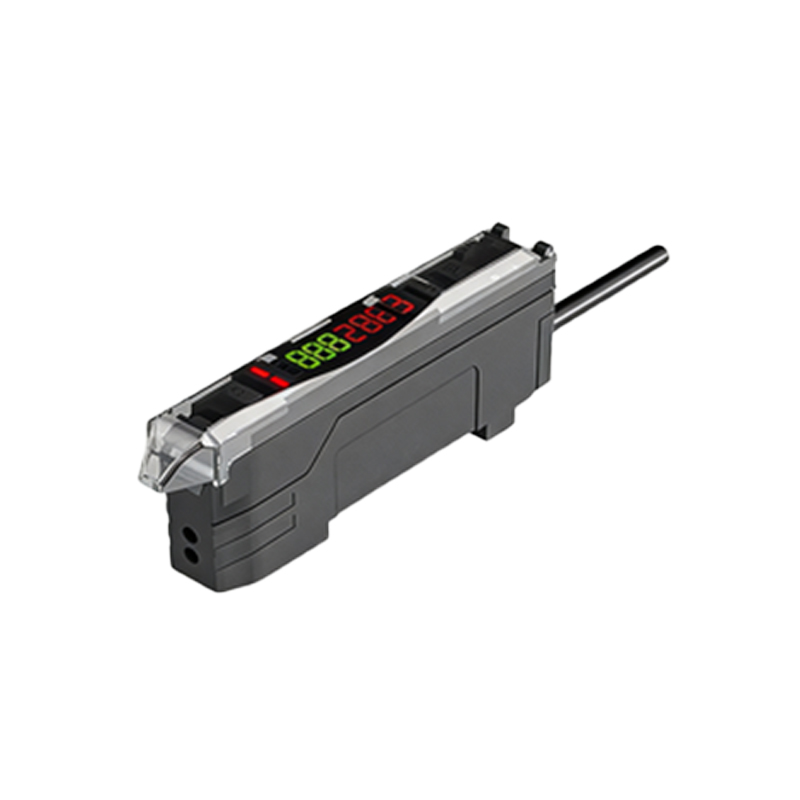
Compared to magnetic loops or radar, photoelectric sensors offer superior precision and lower maintenance. They are immune to electromagnetic interference, which is common near power lines or heavy equipment. Their solid-state design eliminates moving parts, reducing failure rates in harsh outdoor environments. Additionally, they can be easily integrated with IoT platforms for remote monitoring and data analytics. For instance, a single sensor unit can distinguish between cars, trucks, and motorcycles by analyzing beam interruption duration, enabling traffic authorities to optimize lane usage and toll collection.
Real-World Application Examples
On a busy six-lane expressway in Germany, retro-reflective photoelectric sensors are deployed at 500-meter intervals to monitor traffic density. The data feeds into a central algorithm that adjusts speed limits and opens emergency lanes during peak hours. In Japan, through-beam sensors at tunnel entrances detect slow-moving vehicles and automatically trigger warning signs to prevent rear-end collisions. These implementations demonstrate how photoelectric sensors not only count vehicles but also enhance safety and efficiency.
Installation and Calibration Best Practices
For optimal performance, sensors must be mounted at a height of 0.5 to 1 meter above the road surface, angled slightly downward to avoid false triggers from birds or debris. Calibration involves setting the sensitivity threshold to ignore small objects like leaves while still detecting low-profile cars. Regular cleaning of lens covers every 60 days is recommended to maintain beam clarity. Engineers should also test sensors during dusk and dawn when ambient light changes, as this can affect detection accuracy.
Future Trends and Integration with Smart Systems
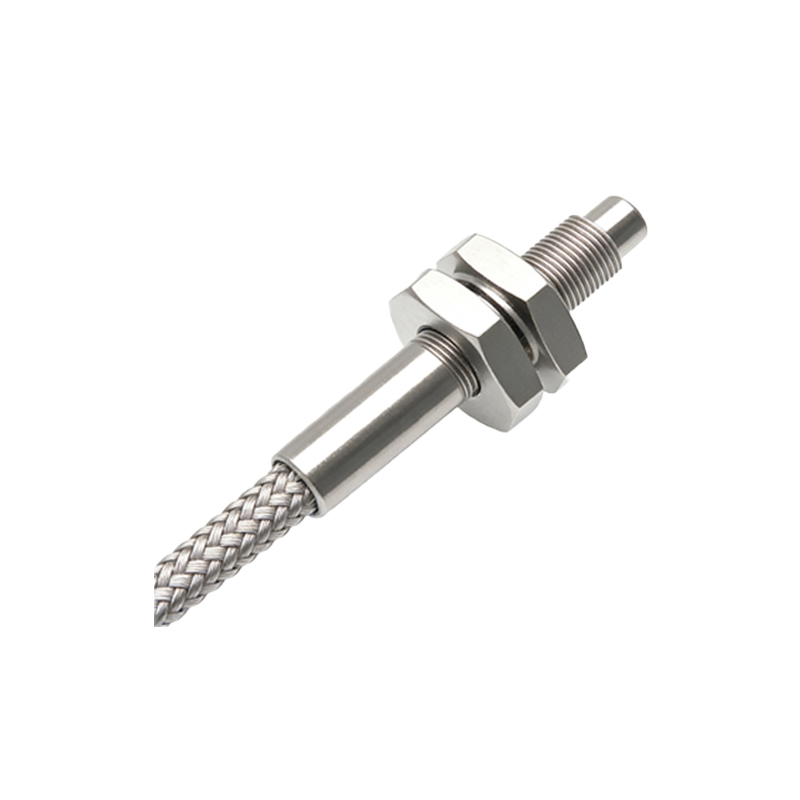
Emerging photoelectric sensors now incorporate LiDAR-like capabilities, using multiple beam arrays to create 3D traffic profiles. Combined with AI, they can predict congestion patterns and suggest alternative routes. The next generation will likely feature self-cleaning surfaces and wireless power harvesting, reducing the need for battery replacements. As cities move toward autonomous vehicle highways, photoelectric sensors will serve as the primary eyes of infrastructure, providing sub-centimeter accuracy for vehicle positioning.
Conclusion
The adoption of photoelectric sensors for vehicle flow detection is a testament to their reliability and versatility. By offering non-contact, high-speed, and precise data, they empower traffic engineers to make informed decisions that reduce congestion and improve road safety. As technology evolves, these sensors will remain integral to the infrastructure of smart cities worldwide.