Introduction to Photoelectric Sensor Counting in PLC Systems
In modern industrial automation, precise counting of objects on production lines is crucial for quality control and inventory management. Photoelectric sensors, combined with Programmable Logic Controllers (PLCs), offer a reliable and efficient solution. These sensors detect the presence or absence of objects using light beams, converting optical signals into electrical pulses that PLCs can process. This setup minimizes human error and enhances throughput, making it ideal for high-speed manufacturing environments. For engineers, understanding the integration of photoelectric sensors with PLCs is key to optimizing system performance.
Selecting the Right Photoelectric Sensor for PLC Integration
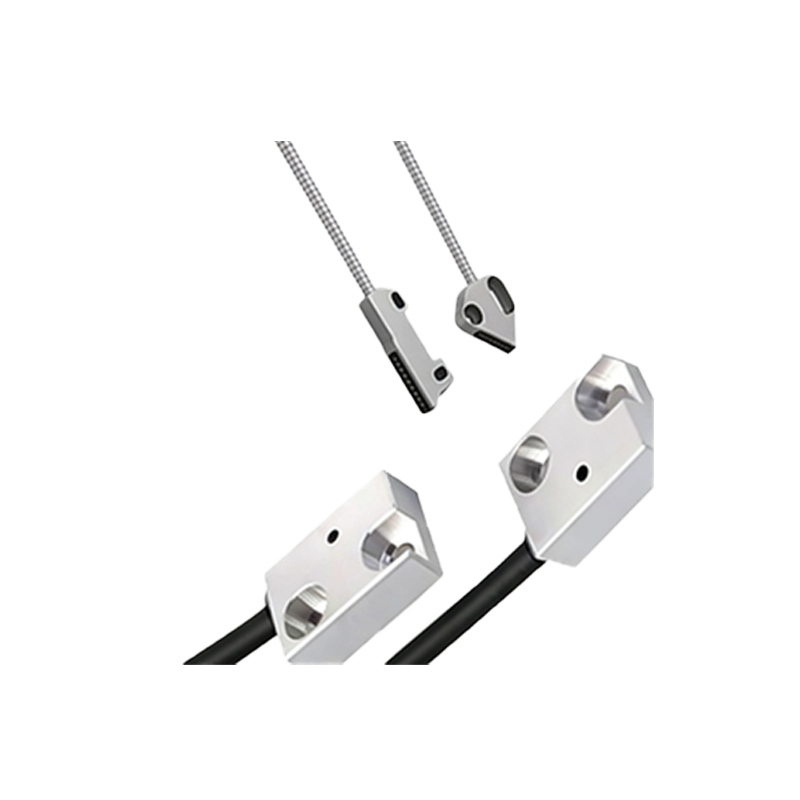
Choosing the appropriate photoelectric sensor depends on the application’s environmental conditions and object characteristics. Common types include through-beam, retro-reflective, and diffuse sensors. Through-beam sensors offer high accuracy but require separate transmitter and receiver units, suitable for long-range detection. Retro-reflective sensors use a reflector and are ideal for transparent objects. Diffuse sensors operate by detecting reflected light from the object itself, perfect for close-range, opaque items. For PLC counting, sensors with fast response times (e.g.,<1 ms) and digital output (PNP or NPN) are recommended to ensure seamless data transmission to the PLC input module.
Wiring and Configuration of Photoelectric Sensors to PLC
Proper wiring is essential for reliable signal transmission. Connect the sensor’s output to a digital input channel on the PLC, typically using a shielded cable to reduce electrical noise. For NPN outputs, the sensor sinks current when active, while PNP outputs source current. Configure the PLC’s input module to match the sensor’s output type. Additionally, set the sensor’s sensitivity and switching frequency to avoid false triggers. In noisy environments, use a filter or debouncing logic in the PLC program to stabilize the counting signal.
Developing PLC Ladder Logic for Counting Operations
The PLC program for counting typically uses a simple ladder logic diagram. For example, use a normally open contact for the sensor input, connected to a counter instruction (e.g., CTU in IEC 61131-3). Set the counter’s preset value, such as 1000, and use a reset input to clear the count. To avoid double counting, implement a one-shot rising edge trigger (e.g., OSR instruction) that increments the counter only once per sensor activation. For conveyor systems, incorporate a delay timer to ignore short interruptions, ensuring accuracy. Test the logic with a simulation before deploying to the plant floor.
Advanced Techniques: Speed Compensation and Error Filtering
In high-speed applications, sensor response time and PLC scan cycle can affect count accuracy. To address this, use parallel processing or high-speed counter modules available in advanced PLCs. Implement software-based filtering, such as rejecting signals shorter than a minimum duration (e.g., 10 ms), to eliminate noise from vibrations or reflections. For variable-speed conveyors, integrate a frequency-to-count conversion algorithm that adjusts the counting threshold based on line speed. These techniques reduce miscounts and improve reliability in dynamic industrial settings.
Testing and Troubleshooting Common Issues in Photoelectric Counting Systems
After deployment, conduct field tests to verify system performance. Common issues include sensor misalignment, lens contamination, or electrical interference. For alignment, use a laser alignment tool for through-beam sensors. Clean lenses regularly with a soft cloth and avoid using compressed air that may damage optics. For electrical issues, check grounding and use a multimeter to verify signal voltages at the PLC input. In the PLC program, add diagnostic counters to monitor sensor activity and identify patterns of false triggers. Document all findings for future maintenance.
Conclusion: Benefits and Future Trends in PLC-Based Photoelectric Counting
Integrating photoelectric sensors with PLCs provides a cost-effective, scalable solution for industrial counting. Benefits include reduced downtime, improved accuracy, and easy integration with existing automation systems. Future trends include use of IoT-enabled sensors with wireless PLC connectivity, AI-based predictive maintenance for sensor failure, and vision-based counting systems for complex shapes. For engineers, staying updated on these advancements ensures competitive edge in the evolving field of industrial automation.